

Washington signals pause in military escalation while uncertainty persists over Iran and Israel’s response to extended truce
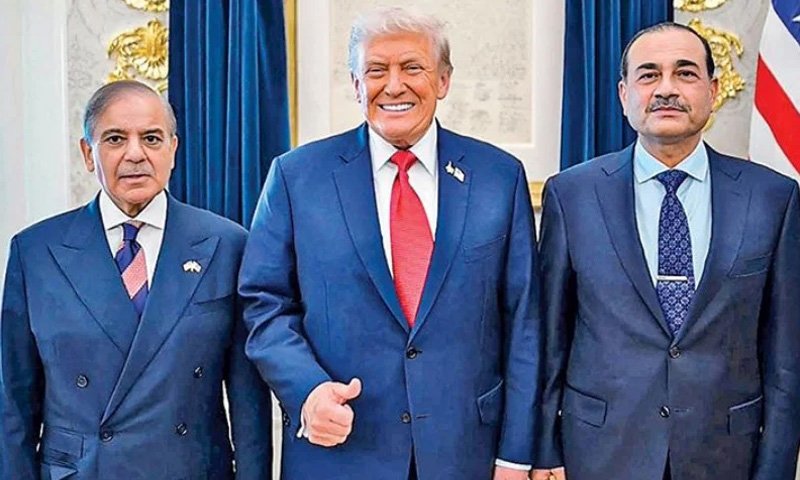
ISLAMABAD: U.S. President Donald Trump has announced an indefinite extension of the ceasefire with Iran, citing the need to allow more time for diplomacy following on the Special request of “Field Marshal Syed Asim Munir”.
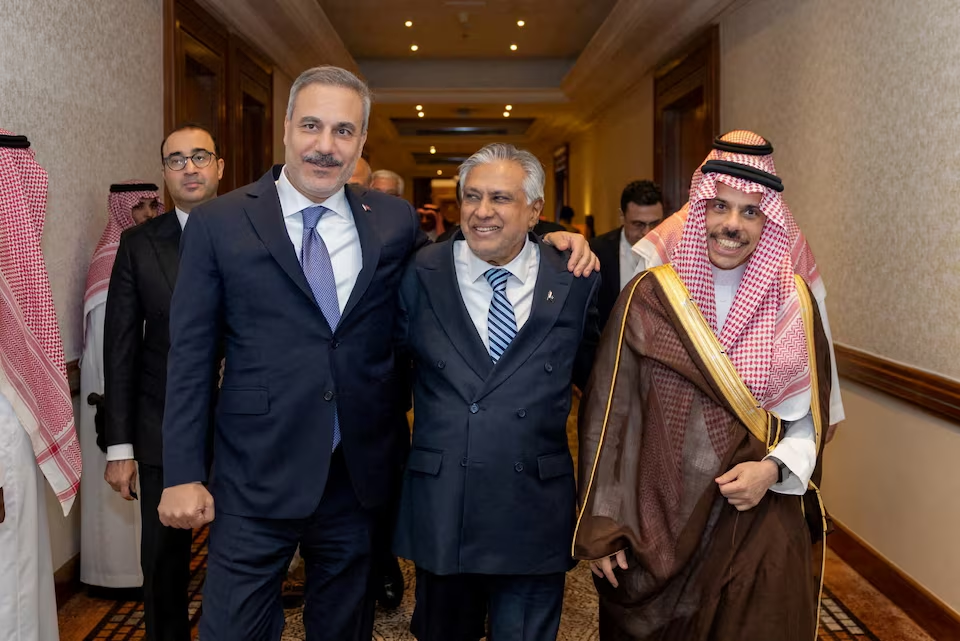
In a statement shared on social media, Trump said Washington had agreed to delay further military action as Islamabad continues to host negotiations aimed at ending nearly two months of conflict. Pakistan has positioned itself as a key mediator, facilitating dialogue between the involved parties in an effort to de-escalate tensions.
Prime Minister Shehbaz Sharif welcomed the decision, expressing appreciation for the United States’ willingness to extend the truce. He said the move would create space for meaningful engagement and reaffirmed Pakistan’s commitment to pursuing a peaceful resolution.
Despite the ceasefire extension, the United States is maintaining its naval blockade on Iranian maritime trade routes, a move strongly criticized by Tehran. Iranian officials have questioned the credibility of Washington’s announcement, with some describing it as a political maneuver rather than a genuine step toward peace.
The conflict began on February 28, when U.S. and Israeli forces launched coordinated airstrikes on Iranian targets. The situation quickly escalated, drawing in regional actors, including Gulf states hosting U.S. military bases and Lebanon, where the Iran-backed group Hezbollah became involved.
The war has resulted in more than 5,000 civilian deaths and displaced hundreds of thousands, according to preliminary estimates. The humanitarian impact has raised alarm among international organizations and prompted calls for restraint.
Global markets have also been affected, particularly due to disruptions in the Strait of Hormuz, a critical route for global oil shipments. The instability has contributed to volatility in energy prices and heightened concerns about a broader economic slowdown.
Throughout the conflict, Trump’s stance has alternated between warnings of intensified military action and appeals for de-escalation. International figures, including António Guterres, have cautioned against targeting civilians and stressed the importance of adhering to international law.
The future of the peace process remains uncertain, with a second round of talks in Islamabad facing logistical and political challenges. Iranian officials have signaled openness to continued negotiations but insist that the United States must ease pressure tactics and avoid framing talks as demands for surrender.
A central issue in the negotiations remains Iran’s nuclear program. Washington is pushing for restrictions on Tehran’s enriched uranium stockpiles to prevent potential weaponization, while Iran maintains that its program is strictly for peaceful purposes and within the framework of international agreements.
While the ceasefire extension offers a temporary pause in hostilities, deep divisions between the parties underscore the complexity of achieving a lasting resolution. Diplomatic efforts led by Pakistan are expected to continue in the coming days as stakeholders assess the viability of further negotiations.
About The Author