
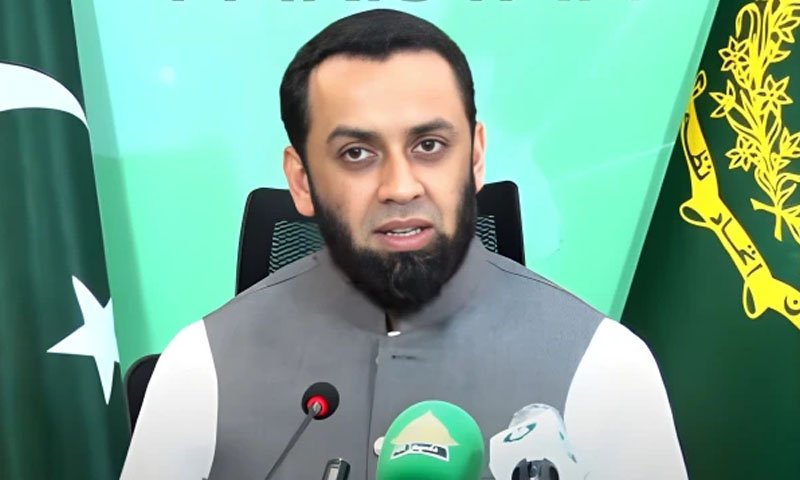

Information minister says India has not presented credible evidence while warning against any escalation amid rising regional tensions
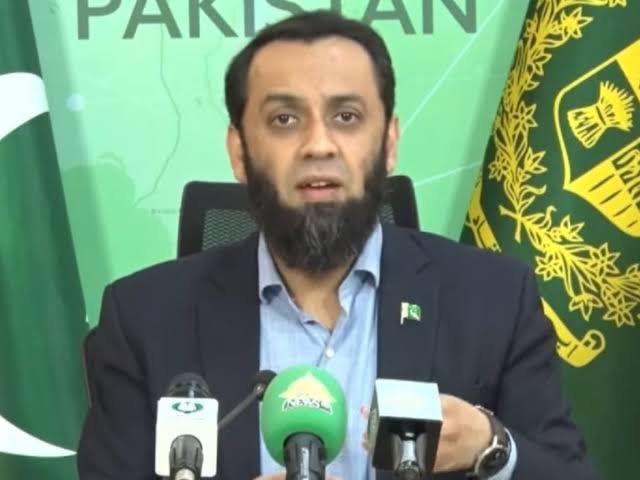
ISLAMABAD: Pakistan’s Information Minister Attaullah Tarar on Tuesday warned India that any “misadventure” would be met with an immediate, effective and decisive response, as he reiterated Islamabad’s position on regional security and ongoing tensions.
Speaking on the first anniversary of what he termed the “Pahalgam false flag operation,” Tarar said India had failed to provide credible evidence to substantiate its claims regarding the incident. He described the episode as indicative of “hollowness, illogical thinking, false pride and arrogance,” asserting that New Delhi had yet to answer key questions surrounding the event.
Tarar accused India of distorting realities by portraying internal matters as external threats while framing internationally recognized disputes, including Jammu and Kashmir, as domestic issues. He said terrorism within India was an internal concern that New Delhi projected outward for political purposes.
He added that Pakistan had offered to conduct an independent and impartial investigation into the Pahalgam incident, but India declined the proposal. According to Tarar, this refusal reinforced Islamabad’s position that the incident was staged.
The minister also questioned the speed with which a police report was filed after the incident, suggesting it may have been pre-prepared. He noted that international media, Indian civil society members, politicians and think tanks had also raised concerns about the credibility of the claims.
Tarar said narratives built around alleged “false flag operations” were difficult to sustain globally, attributing India’s inability to establish a convincing case to inconsistencies in its claims. He further criticized Indian media for spreading “false and baseless reports” and creating a war-like atmosphere without substantiating evidence.
He also alleged that India’s policies were influenced by Hindutva ideology, which he said had led to discrimination against minorities, particularly Muslims. Tarar accused India of using terrorism as a state policy and cited alleged involvement in incidents beyond its borders, including attacks on Sikh leaders.
Referring to the arrest of Kulbhushan Jadhav, the minister said it had exposed what he described as India’s “terrorism-based policy.” He claimed Pakistan possessed “irrefutable evidence” of Indian involvement in militant activities within its territory, adding that such information had been shared with the international community multiple times.
Tarar linked India to recent security incidents, including the Jaffar Express train attack and the Khuzdar incident, alleging support for militant organizations such as the banned Balochistan Liberation Army and Tehrik-e-Taliban Pakistan.
He reiterated Pakistan’s commitment to counterterrorism efforts, stating that the country would continue taking all necessary measures to eliminate militancy. “The entire nation is united in its resolve to eradicate terrorism,” he said, emphasizing that Pakistan would not compromise on its sovereignty, dignity or security.
Highlighting past military confrontations, Tarar said India had previously faced setbacks and would fail again in any attempt to destabilize Pakistan. He dismissed recent remarks by Indian military leadership regarding “Operation Sindoor,” describing them as an acknowledgment of failure.
Reaffirming his warning, Tarar said Pakistan had inflicted a “humiliating defeat” on India in the past and would respond decisively to any future aggression.
He concluded by stating that Pakistan was emerging as a symbol of peace globally, crediting Prime Minister Shehbaz Sharif and Army Chief Field Marshal Syed Asim Munir for their role in promoting regional stability. He added that the country’s political and military leadership remained fully aligned in defending national interests.
About The Author