

Iran says vessels entering a proposed restricted maritime zone around the Strait of Hormuz could face sanctions as tensions with Washington intensify.
Iran is preparing to announce a restricted maritime zone around the Strait of Hormuz, escalating tensions with the United States as the two sides remain locked in a prolonged confrontation.
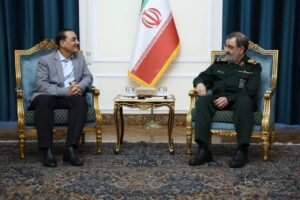
Mohsin Rezaei, secretary of Iran’s Supreme National Security Council, said the proposed zone would cover parts of the Gulf and is expected to be announced in the coming days.
Rezaei provided few details about the measure but warned that vessels entering the designated area could face sanctions and potentially be placed on a sanctions list.
The announcement comes amid renewed military and economic tensions between Tehran and Washington. A ceasefire agreement reached in June has effectively broken down, while diplomatic efforts to revive negotiations have made little progress.
After a relative pause in fighting during much of August, attacks have resumed. US Central Command said it struck three Iranian tankers on Saturday after Iran’s Islamic Revolutionary Guard Corps launched ballistic missiles toward two US Navy vessels.
Iranian officials have issued increasingly strong warnings in response. Parliament Speaker Mohammad Bagher Ghalibaf said Tehran would respond more quickly and forcefully to any future attack targeting Iranian interests or security.
Ghalibaf said the “rules of the game” had changed and warned that further attacks would trigger a heavier response.
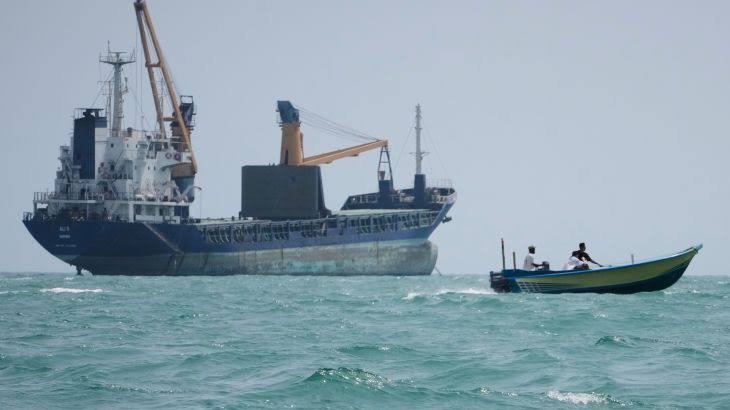
The Strait of Hormuz remains central to the confrontation because it is a major global energy route through which a significant share of the world’s oil supplies traditionally passes.
Any disruption to shipping through the narrow waterway could put additional pressure on global energy markets and fuel prices. Iran has previously demonstrated its ability to disrupt maritime traffic in the strait.
At the same time, Tehran is facing mounting economic pressure from US sanctions and restrictions on its oil exports.
Iranian officials say Washington’s efforts to restrict oil shipments and prevent sanctions evasion are placing additional strain on the country’s economy.
Ghalibaf said economic challenges had become as important as the military confrontation, citing inflation, currency volatility, unemployment and problems with market management.
He said the Iranian public could withstand difficult conditions but expected the government to take effective action and prevent economic mismanagement.
Economy Minister Ali Madanizadeh said Tehran would respond to the economic pressure through domestic reforms and rejected the idea that US sanctions could force Iran to change its political decisions.
Iran has also established an “Economic War Headquarters” to address problems linked to the conflict and sanctions.
Kharg Island remains key oil hub
Iran’s oil industry has suffered heavily during the conflict. The country previously exported the vast majority of its crude through Kharg Island, a major offshore oil terminal.
Oil Minister Mohsen Paknejad said the facility had come under hundreds of attacks in recent months but remained operational.
US Central Command has meanwhile said it is enforcing restrictions on Iranian oil shipments. According to the command, dozens of commercial vessels have been redirected, while several others have been disabled or boarded.
The confrontation has raised further concerns about global fuel prices, particularly if disruptions around the Strait of Hormuz restrict oil movements.
About The Author