

Pakistan urged to convert mediation success into structured diplomatic push on long-standing Kashmir dispute
ISLAMABAD: Mushaal Hussein Mullick has called on Pakistan to utilise its growing diplomatic relevance, demonstrated through its role in facilitating dialogue between the United States and Iran, to push for a renewed international focus on the Kashmir dispute.
In an exclusive interview with Hum News Digital, Mullick described the “Islamabad Process” as more than a temporary ceasefire mechanism, calling it evidence of Pakistan’s importance as a global mediator at a time of rising geopolitical tensions.
She said Pakistan’s engagement in bringing Washington and Tehran closer reflected sustained diplomatic efforts by state institutions, including the Foreign Office and military leadership, and should now be expanded into broader strategic objectives.
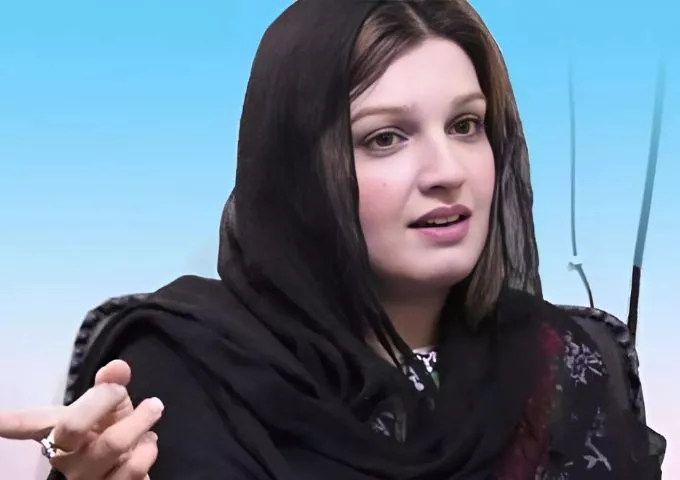
Mullick stressed that Pakistan must convert this momentum into tangible diplomatic leverage by institutionalising a formal platform dedicated to advancing Kashmir on the global stage.
“We must create a structured international diplomatic track for Kashmir and integrate it into broader global peace frameworks,” she said, noting that the issue has remained unresolved for more than seven decades despite United Nations resolutions.
She urged Islamabad to intensify coordinated engagement with key global stakeholders, including Washington, European capitals, the Organisation of Islamic Cooperation and the United Nations, moving beyond symbolic statements toward legal and humanitarian initiatives.
Addressing criticism that mediation efforts could divert attention from domestic priorities, Mullick rejected the notion, arguing that proactive diplomacy enhances national influence.
“Pakistan is not merely reacting to crises it is shaping outcomes,” she said, adding that effective mediation strengthens a country’s global standing.
Mullick also highlighted the case of jailed Kashmiri leader Yasin Malik, calling his release and that of other political prisoners essential for any meaningful peace process.
She alleged that legal proceedings against Malik lacked due process and warned that suppressing political voices could have destabilising consequences in the region.
“If peaceful political avenues are closed, it risks pushing people toward militancy,” she said.
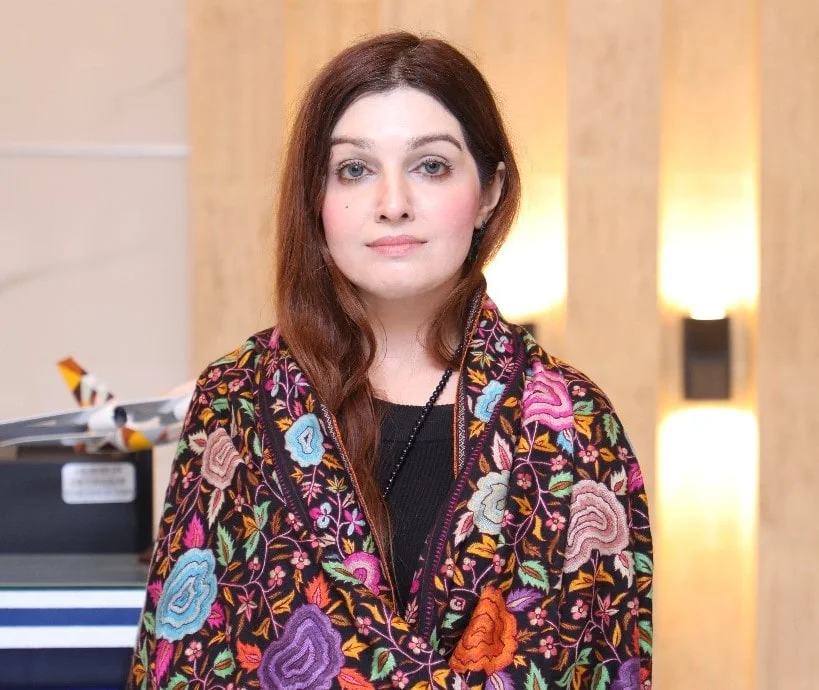
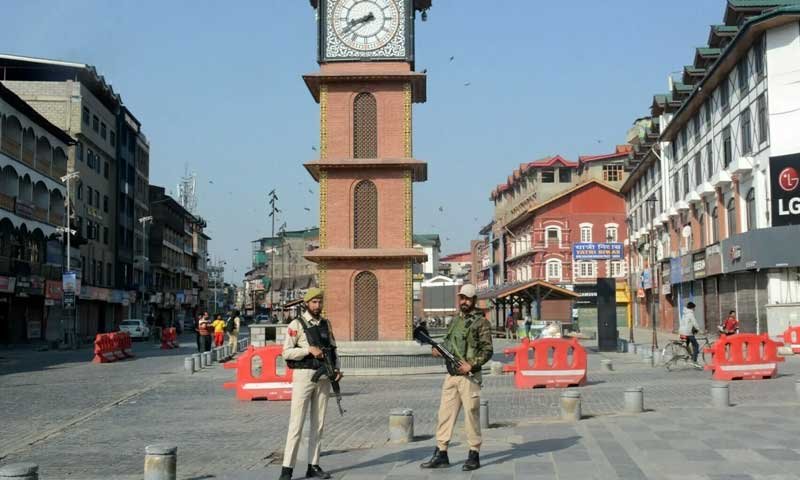
Describing Kashmir as one of the world’s most volatile nuclear flashpoints, Mullick cautioned that even minor escalations could trigger wider conflict between India and Pakistan.
She called on global powers and international institutions to take a more active and responsible role in addressing the dispute, particularly if Pakistan is expected to contribute to broader regional stability.
Mullick concluded that Pakistan’s mediation efforts should serve as a foundation for long-term conflict resolution rather than short-term crisis management.
“This is an opportunity to link temporary ceasefires with lasting political solutions, and Kashmir must be part of that process,” she said.
About The Author