

With tensions rising and naval forces expanding, Washington signals pressure not pause as Iran refuses talks and oil flows continue.
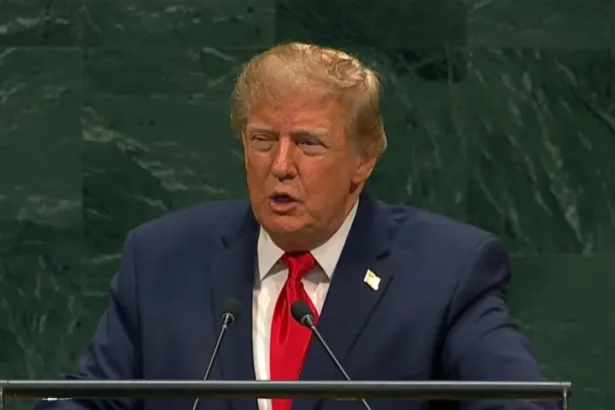
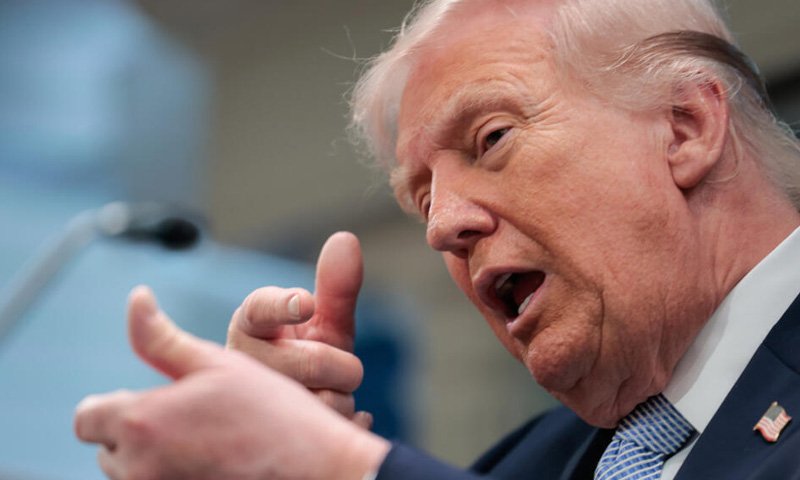
WASHINGTON: US President Donald Trump has ruled out the immediate use of nuclear weapons against Iran, but made clear that Washington’s broader military and economic pressure campaign is far from over.
In a firm statement, Trump said the United States is “in no hurry” to end the conflict, warning that “time is running out for Tehran” to return to negotiations. The remarks highlight a strategy focused on sustained pressure rather than rapid escalation, even as tensions remain high across the region.
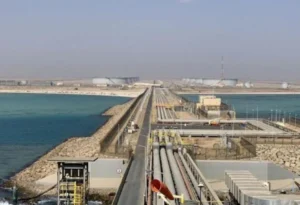
The administration has simultaneously intensified military operations in key waterways. Backed by Republican allies in Congress, Trump has authorized the US Navy to target and destroy any vessels suspected of laying mines in the Strait of Hormuz—a critical global النفط route. The order follows a recent interception of a tanker in the Indian Ocean believed to be carrying Iranian crude.
Despite Washington’s decision to extend a ceasefire indefinitely, diplomatic channels appear frozen. Iranian officials have refused to resume talks, citing ongoing US restrictions on their ports and oil exports as a primary obstacle to negotiations.
Meanwhile, the US has significantly reinforced its military presence. The deployment of the aircraft carrier USS George H.W. Bush brings the total number of American carriers in nearby waters to three, underscoring a robust strategic posture. In Tehran, air defense systems were reportedly activated overnight amid fears of potential strikes, signaling heightened alert on both sides.
Trump also claimed that US forces now maintain “complete control” over the Strait of Hormuz, asserting that maritime traffic is effectively under American oversight until Iran agrees to US terms. The claim, if accurate, marks a major escalation in operational dominance over one of the world’s most critical shipping lanes.
On Capitol Hill, efforts to curb presidential war powers fell short. The Senate narrowly rejected a resolution aimed at imposing legal limits on continued US military engagement, effectively allowing the administration to proceed without additional congressional constraints.
Tanker Seizure and Oil Flow Continue
The Pentagon confirmed that US forces boarded the tanker M/T Majestic X near Sri Lanka, identifying it as a sanctioned vessel transporting Iranian oil. Officials described the move as part of a broader campaign to disrupt Tehran’s النفط exports.
However, data suggests Iran’s oil shipments have not been fully halted. Analysts report continued tanker movements in and out of the Persian Gulf, with millions of barrels exported in recent days despite the US-led blockade.
In response, Iran has introduced a new economic measure—collecting tolls from vessels transiting the Strait of Hormuz. Officials in Tehran confirmed that initial payments have already been deposited into the country’s central bank, signaling a shift toward leveraging geographic control for revenue.
State media also released footage appearing to show Iranian forces boarding a commercial cargo vessel, reinforcing Tehran’s intent to assert its own authority over the strategic corridor.
As both sides entrench their positions, the risk of further escalation remains high, with global energy markets and regional stability hanging in the balance.
About The Author