

Tehran’s outreach to Islamabad underscores Pakistan’s growing influence in a rapidly shifting regional crisis.
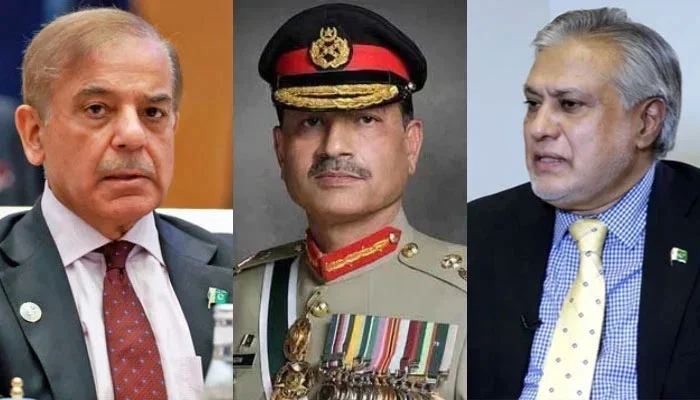
ISLAMABAD: Iran’s foreign minister has reportedly reached out to Pakistan’s military chief Field Marshal Syed Asim Munir and Foreign Minister Ishaq Dar, in a move that signals intensifying diplomatic activity amid escalating regional tensions.
The high-level contact reflects Tehran’s urgency as geopolitical uncertainties deepen across the Middle East. Pakistan, maintaining strategic ties with multiple global players, has increasingly positioned itself as a critical diplomatic bridge in sensitive negotiations.
Officials familiar with regional developments suggest that such engagement indicates ongoing behind-the-scenes coordination. Pakistan’s leadership — both military and civilian — has been actively involved in facilitating dialogue and reducing friction between rival states.
Field Marshal Asim Munir has recently played a visible role in regional diplomacy, while Ishaq Dar continues to engage international counterparts to stabilize the situation. This dual-track approach has elevated Islamabad’s standing as a key mediator in complex geopolitical disputes.
The timing of Iran’s outreach is particularly significant. With tensions persisting and diplomatic windows narrowing, Tehran appears focused on strengthening communication channels with trusted regional partners like Pakistan.
Experts say Pakistan’s involvement could prove decisive. Its ability to maintain balanced relations with competing powers gives it a unique advantage in influencing outcomes and preventing further escalation.
As the situation evolves, all eyes remain on whether these contacts lead to tangible progress. In a region on edge, even a single diplomatic breakthrough could reshape the trajectory of ongoing tensions.
About The Author