

A temporary pause in fighting offers brief relief, but rising maritime tensions and Iran deadlock keep the region on edge.
WASHINGTON: A temporary halt in hostilities between Israel and Lebanon has been extended for three more weeks after high-level talks at the White House, with U.S. President Donald Trump positioning the move as part of a broader strategy to reshape regional dynamics involving Iran and its allies.
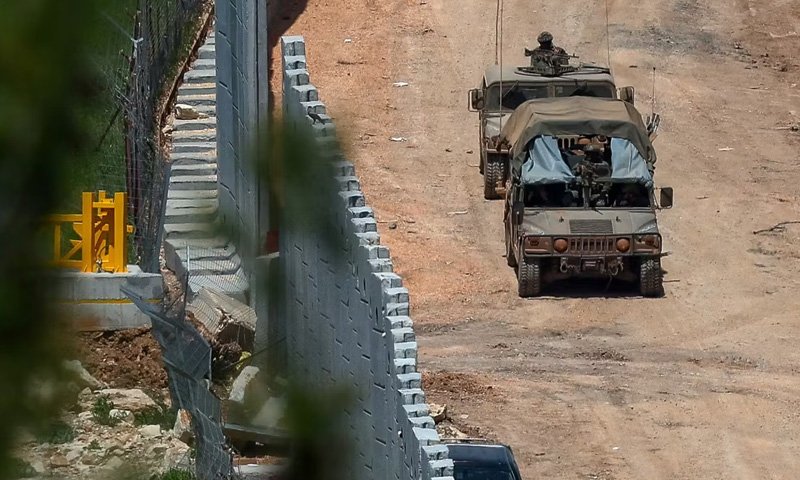
The extension offers a short-term reprieve in a conflict that has threatened to spiral into a wider regional war. However, officials caution that the agreement remains fragile, with violence continuing in parts of southern Lebanon despite the formal pause. Israeli forces have reportedly maintained targeted strikes against positions linked to Hezbollah, underscoring the volatile situation on the ground.
Speaking after the announcement, Trump signaled a calculated delay in pursuing a comprehensive peace deal, emphasizing that Washington is seeking what he described as the “most durable and strategic agreement” with Tehran. His remarks highlight a broader U.S. objective: leveraging temporary calm between Israel and Lebanon to extract concessions from Iran in a larger geopolitical negotiation.
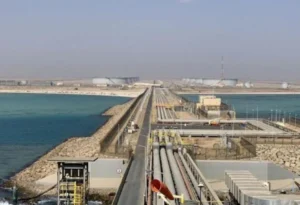
Meanwhile, tensions remain acute in the strategically vital Strait of Hormuz, where global oil shipments continue to face disruptions. Trump asserted that U.S. naval forces hold the upper hand and reiterated orders for decisive action against any vessels suspected of laying maritime mines — a warning clearly directed at Iranian activity in the region.
Despite the strong rhetoric, Trump ruled out the use of nuclear weapons, stating that conventional military capabilities are sufficient to counter any escalation. The statement appears aimed at reassuring international observers while maintaining pressure on Tehran.
Iranian officials, however, pushed back sharply, rejecting claims of internal instability and accusing Washington of conducting a misinformation campaign. The exchange reflects deepening mistrust at a time when diplomatic channels remain strained.
The ceasefire extension, while significant, does little to resolve the underlying drivers of the conflict. With Hezbollah continuing its posture of resistance and Israel maintaining military pressure, the risk of renewed escalation remains high.
Global markets are also closely watching developments, as continued instability in the Strait of Hormuz threatens to disrupt energy supplies and intensify economic uncertainty worldwide. For now, the three-week extension provides a narrow window for diplomacy but whether it leads to a lasting breakthrough or merely delays a broader confrontation remains uncertain.
About The Author