

A landmark literary gathering in Islamabad blends poetry with environmental advocacy, urging collective action against climate challenges.
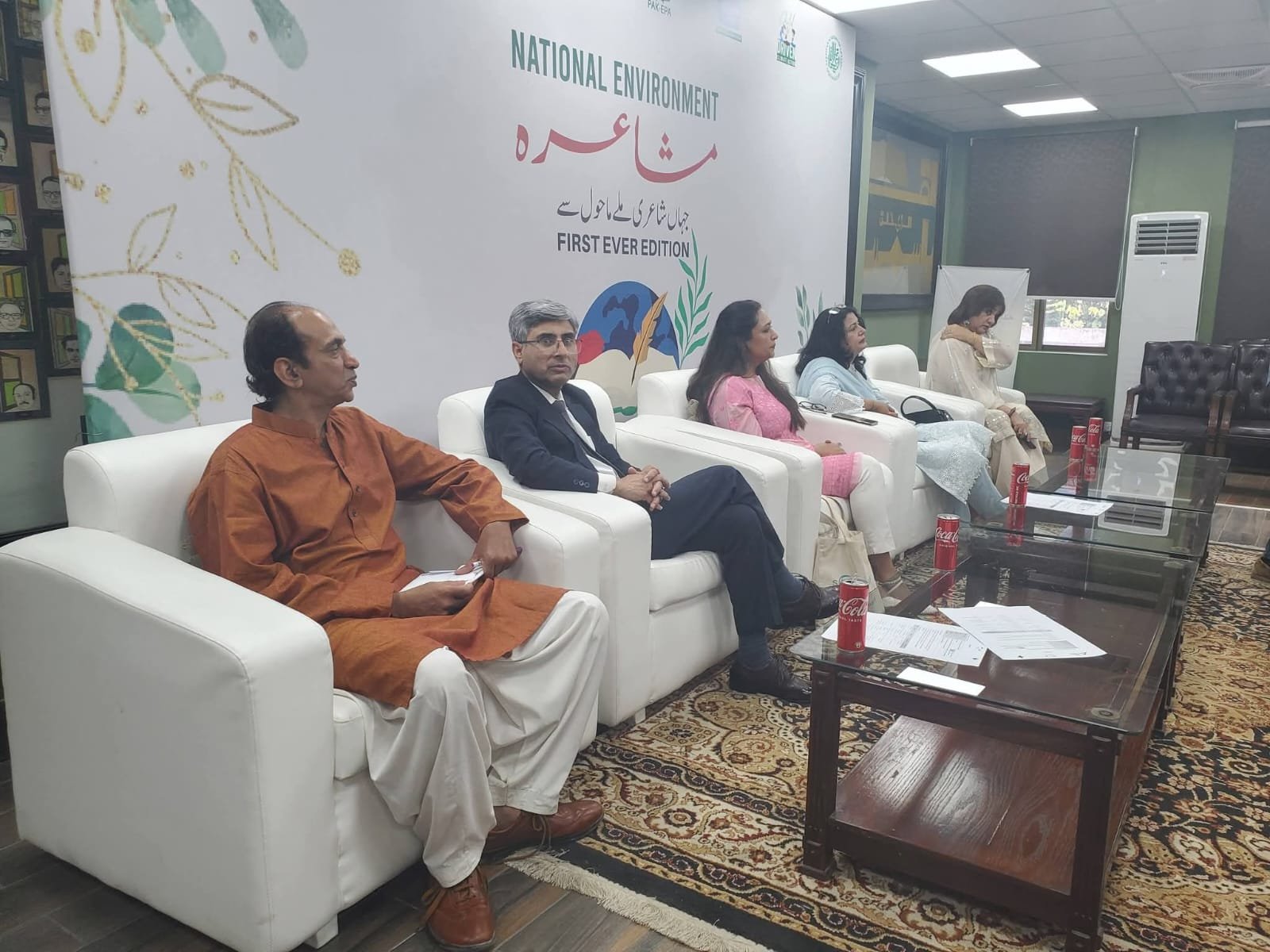
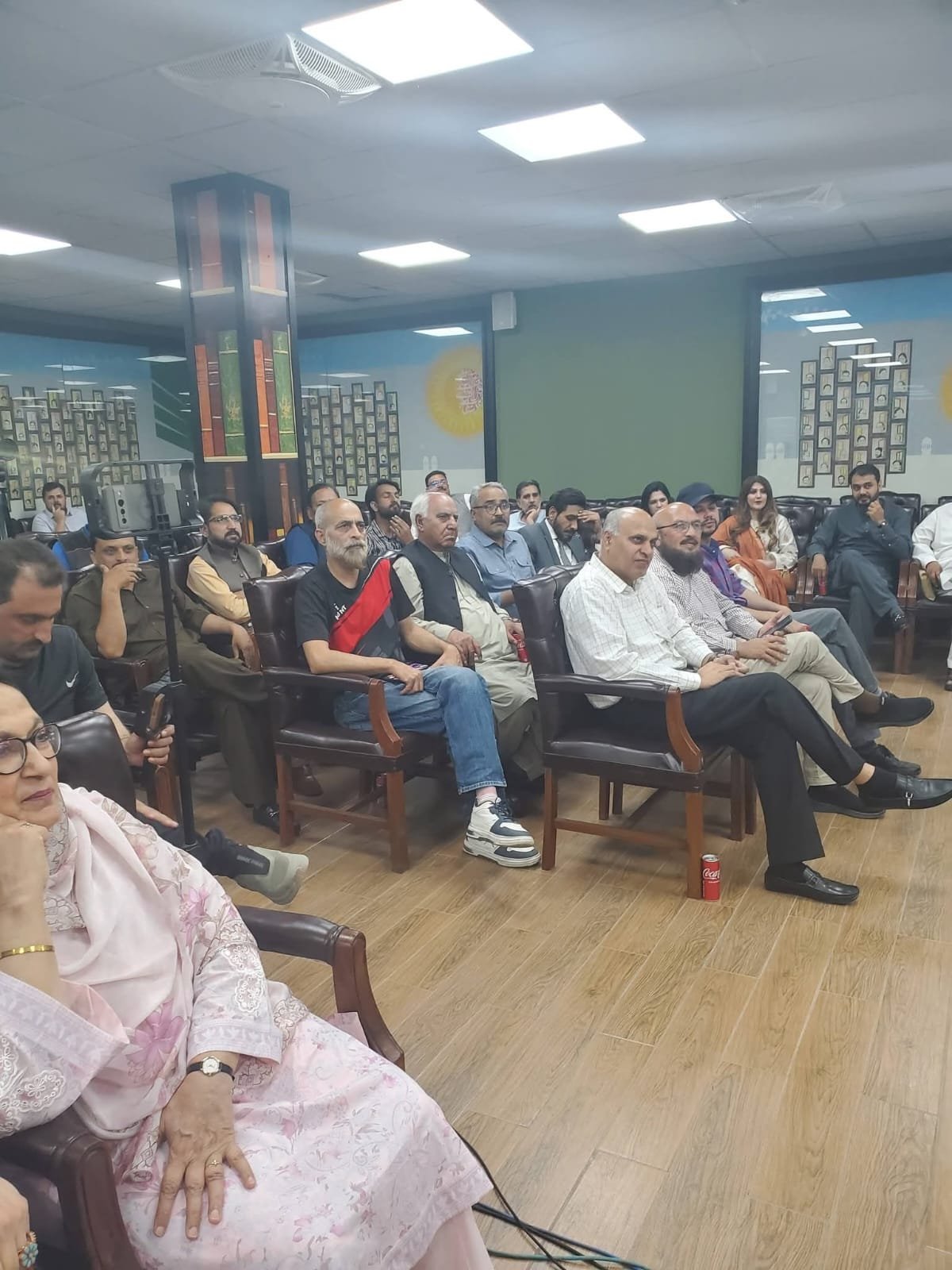
ISLAMABAD: In a rare fusion of art and activism, Pakistan witnessed its first National Environmental Mushaira, where poetry became a powerful medium to highlight the country’s growing environmental challenges and inspire public action.
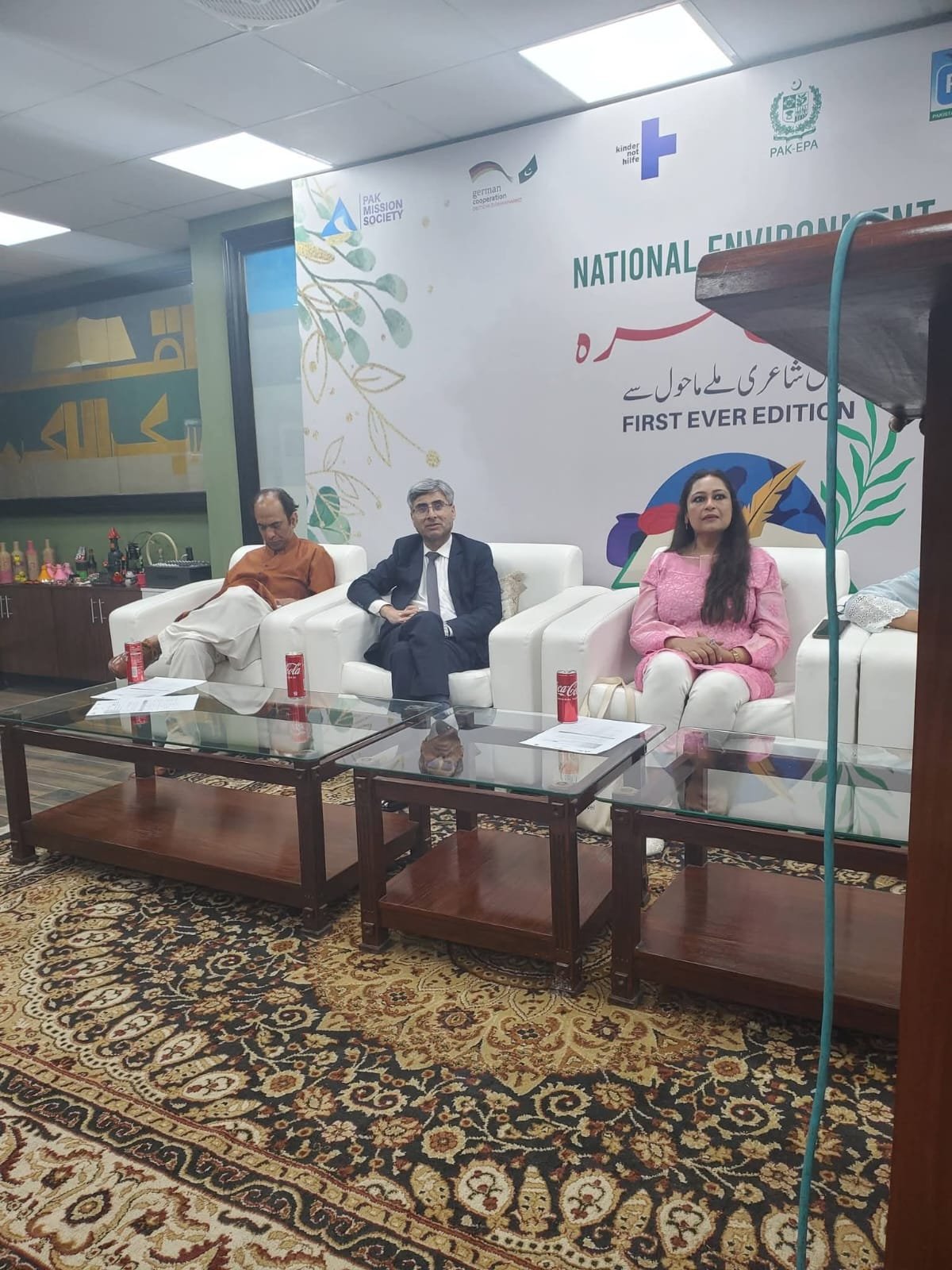
Organized by the Pakistan English Foundation in collaboration with Pak Mission Society, the event was held on April 29, 2026, at the Pakistan Academy of Letters. Hosted by Khurram Khiraam Siddiqui, the mushaira brought together a diverse group of poets who used both English and Urdu verse to address pressing ecological concerns.
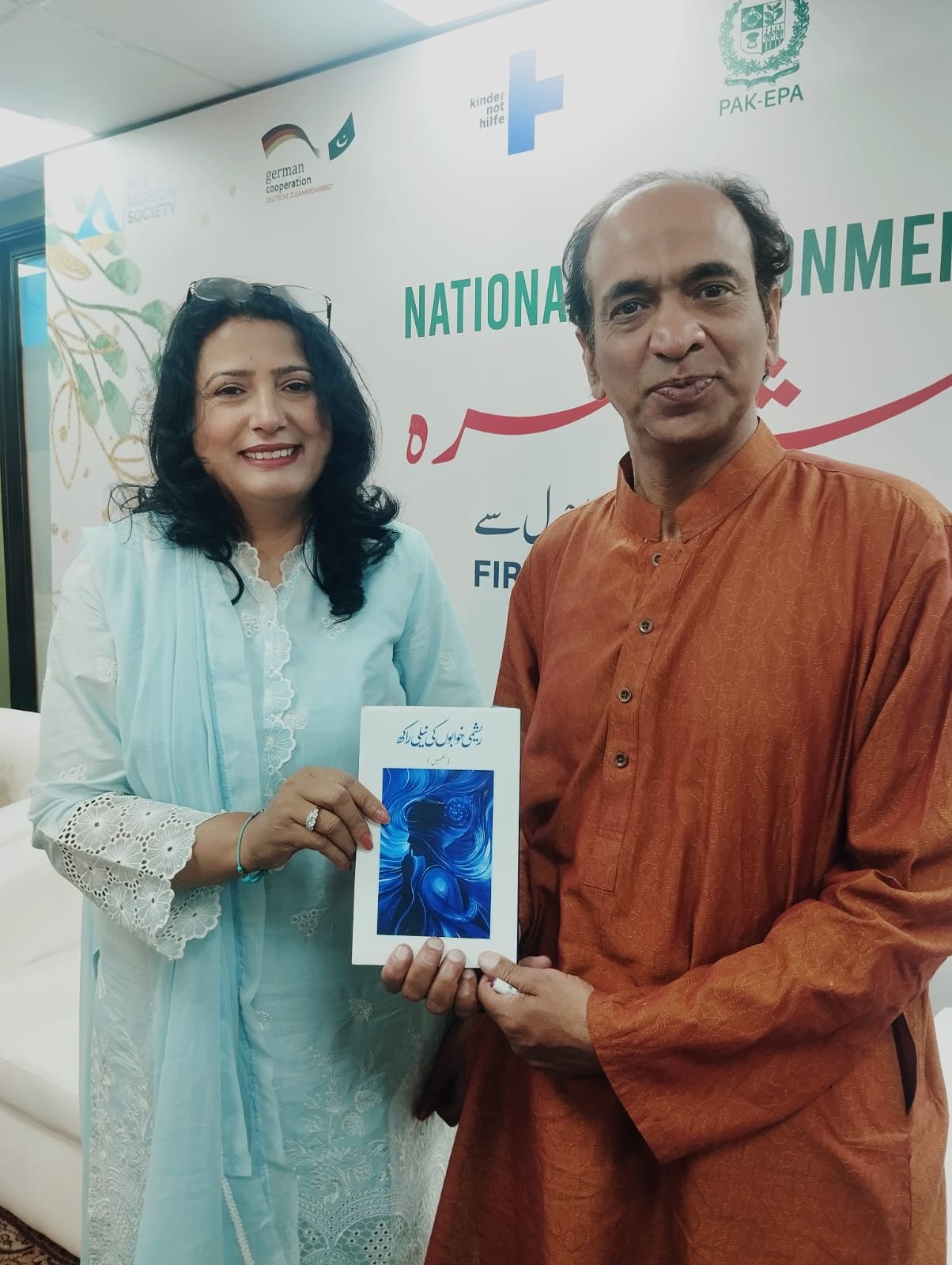
Renowned literary voices, including Dr. Mehnaz Anjum, Madiha Arslan, Farhat Jabeen Virk, Khizar Saleem, Rashida Maheen Malik, Naveeda Maqbool, Waheeda Malik, Uzair Rana, Ayaz Peerzada, Dr. Imran Khan, Matraba Sheikh, Jahangir Imran, and Irdum Hammad Siddiqui, captivated the audience with thought-provoking recitations centered on environmental awareness.
The gathering stood out not only for its literary significance but also for its purpose-driven agenda. Through evocative poetry, participants urged citizens to adopt environmentally responsible behaviors, including tree plantation and maintaining cleanliness in their surroundings. The verses reflected concerns over climate change, pollution, and the urgent need for sustainable practices.
Organizers described the mushaira as a pioneering initiative aimed at bridging the gap between literature and environmental advocacy. By leveraging the emotional and cultural impact of poetry, the event sought to engage a wider audience in conversations about ecological preservation.
As Pakistan faces increasing environmental challenges from rising temperatures to urban pollution, the event underscored the role of cultural platforms in driving awareness and behavioral change. The success of the first National Environmental Mushaira signals a growing trend of using creative expression to address national and global issues.
Observers noted that such initiatives could play a critical role in shaping public discourse, particularly among younger audiences, by transforming complex environmental issues into relatable and impactful narratives.
About The Author