

With global energy routes under pressure and diplomatic talks stalled, Pakistan is intensifying efforts to revive negotiations between the United States and Iran.
A fragile ceasefire in the prolonged US-Iran conflict is holding by a thread, while Pakistan is stepping up diplomatic engagement amid fears that renewed escalation could destabilize global energy markets and regional security.
The war, which began in late February and has been under a temporary ceasefire since April 8, has already disrupted oil supplies and heightened tensions across the Middle East. The most sensitive pressure point remains the Strait of Hormuz, through which nearly one-fifth of global oil shipments pass.
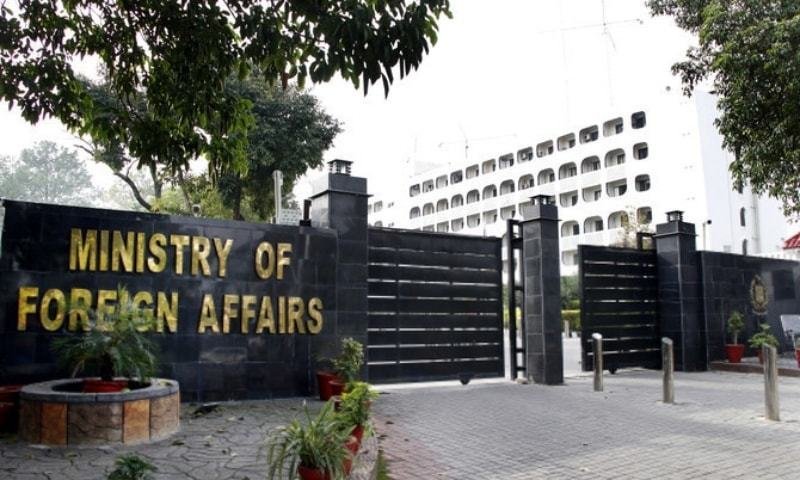
On Saturday, Pakistan’s Foreign Office reaffirmed Islamabad’s commitment to diplomatic solutions, stressing that dialogue remains the only viable path to prevent further deterioration of the situation.
Foreign Minister Ishaq Dar held a telephone conversation with Kuwaiti Foreign Minister Sheikh Jarrah Jaber Al-Ahmad Al-Sabah, where both sides discussed the evolving regional crisis and its growing economic consequences. Pakistan emphasized “constructive engagement and diplomacy” as central to restoring stability, according to an official statement.
Kuwait acknowledged Pakistan’s diplomatic outreach, praising its efforts to promote dialogue and long-term regional peace and security.
Islamabad has played a behind-the-scenes mediatory role in facilitating indirect contacts between Washington and Tehran, hosting earlier rounds of communication. However, diplomatic momentum has slowed significantly as core disputes remain unresolved.
The conflict has placed severe strain on global energy markets, particularly after heightened restrictions on maritime activity in the Gulf. Iran has imposed limitations on shipping through the Strait of Hormuz, while the United States has tightened enforcement measures targeting Iranian maritime operations.
In Washington, former US President Donald Trump said he was “not satisfied” with a recent Iranian proposal delivered through intermediaries, although he noted that discussions were still continuing via indirect channels.
Iranian state media has reported that Tehran submitted a draft proposal through Pakistani intermediaries, but the contents have not been disclosed publicly.
Despite ongoing diplomatic outreach from Pakistan and other regional actors, major disagreements persist over Iran’s nuclear programme and maritime security arrangements in the Gulf, leaving the conflict in a prolonged and uncertain state.
About The Author