
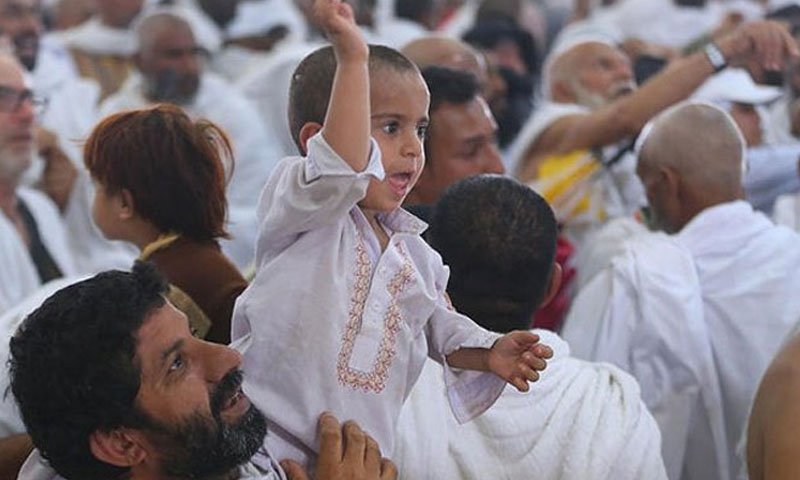

Saudi authorities roll back a controversial age restriction, reopening Hajj participation for children aged 12 and above and triggering relief among thousands of affected families.
A sudden policy reversal by Saudi Arabia has restored access to Hajj for younger pilgrims, overturning a recently announced restriction that had barred children under 15 from performing the annual pilgrimage. The decision has immediately eased confusion and concern across multiple countries, including Pakistan, where preparations for upcoming Hajj arrangements were already underway.
According to official communications shared with partner countries, the Saudi Ministry of Hajj and Umrah has withdrawn its earlier directive and reinstated the previous eligibility framework. Under the revised instructions, children aged 12 and above will once again be allowed to accompany pilgrims, reversing a rule that had briefly tightened age eligibility.
The earlier policy, which was set to take effect from May 3, 2026, had prohibited all pilgrims under the age of 15. That move had triggered widespread administrative changes, including visa cancellations and updates to travel lists by pilgrimage operators and government bodies in several Muslim-majority countries.
Pakistani authorities, including the Directorate General of Hajj and the Civil Aviation Authority, confirmed that they had received the updated guidance from Saudi counterparts. Officials said the earlier restrictions have now been formally withdrawn, and previously affected applications will be reconsidered.
Under the new directive, visas that were cancelled due to the age restriction are expected to be reprocessed. Hajj operators have also been instructed to adjust travel arrangements and update booking records in line with the restored policy.
No immediate public explanation has been issued by Saudi authorities regarding the sudden reversal, which had earlier sparked uncertainty among families planning to include younger members in the pilgrimage.
Hajj, one of the five pillars of Islam, draws millions of Muslims to Makkah each year under a tightly regulated quota system managed through bilateral arrangements between Saudi Arabia and participating countries. Even minor policy changes often have significant logistical and emotional impacts on pilgrims worldwide.
The abrupt shift had caused concern among thousands of families, particularly in Pakistan, where officials had already begun implementing the earlier restriction. The latest decision is now expected to provide relief, although administrative adjustments will be required to normalize affected travel plans ahead of the next pilgrimage season.
About The Author