
Recent leopard sightings across Islamabad highlight escalating human–wildlife overlap in the Margalla Hills ecosystem amid rapid urban expansion and habitat fragmentation.
A series of recent leopard sightings in Islamabad has raised fresh concerns about the fragile balance between urban expansion and wildlife survival in the Margalla Hills ecosystem, with experts warning that such encounters may become increasingly frequent.
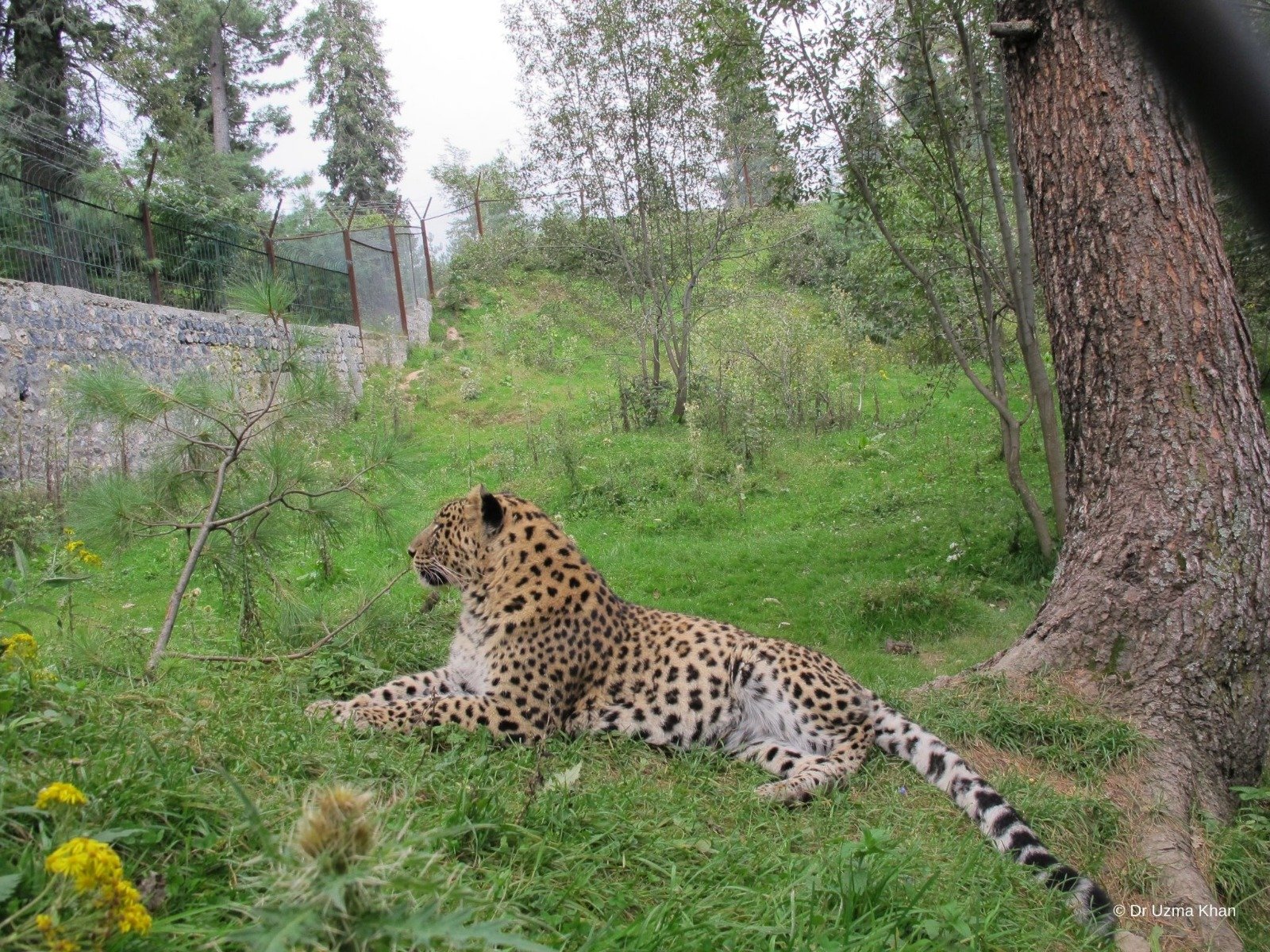
In March, a common leopard was reportedly spotted inside the campus of the National University of Sciences and Technology (NUST), followed by additional sightings in nearby areas. Although no injuries were reported, the animal has not yet been traced, prompting a swift response from wildlife authorities, including the deployment of trap cages and public safety advisories.
The incidents are not being treated as isolated cases. Conservation experts and environmental organizations say they reflect a broader ecological shift driven by shrinking natural habitats, declining prey populations, and expanding human settlements around the Margalla Hills National Park.
As Pakistan observes International Leopard Day on May 3, WWF-Pakistan has reiterated concerns over increasing pressure on the region’s ecosystem. Officials say rapid infrastructure growth and unregulated development near protected zones are fragmenting wildlife corridors, forcing animals to move closer to human-populated areas.
Hammad Naqi Khan, Director General of WWF-Pakistan, said development near the national park poses long-term ecological risks. He warned that habitat disruption could permanently damage wildlife movement patterns and weaken essential ecosystem functions that sustain biodiversity in the region.
Wildlife specialists emphasize that the issue goes beyond natural behavior. Muhammad Jamshed Iqbal Chaudhry, Wildlife Practice Lead at WWF-Pakistan, described the trend as displacement rather than adaptation, noting that leopards are being pushed into human-dominated zones due to shrinking forest cover.
One of the most pressing consequences of this overlap is the rising risk of conflict with local communities. Livestock predation often leads to retaliatory killings, further threatening already vulnerable leopard populations in the Margalla landscape.
To address this challenge, WWF-Pakistan has launched a livestock insurance pilot project in the Galiyat region to compensate farmers for losses and reduce retaliatory responses. The initiative is being viewed as a potential model for other high-conflict wildlife zones across Pakistan.
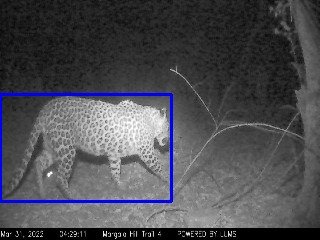
Beyond compensation mechanisms, conservation efforts also include habitat protection programs, awareness campaigns, and policy advocacy aimed at strengthening coexistence between humans and wildlife. WWF-Pakistan is also deploying advanced tools such as AI-enabled camera traps, GPS collaring systems, and digital monitoring platforms to track leopard movement and improve response strategies.
Authorities and conservationists are warning that without coordinated intervention, leopard sightings in and around urban Islamabad could become more frequent, signaling deeper ecological stress across the Margalla Hills region.
About The Author