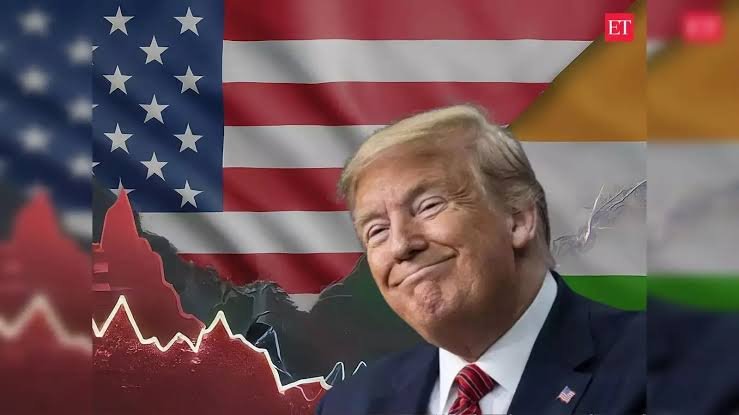

WASHINGTON: In a significant development that could reshape global trade dynamics, the United States has proposed new tariffs on imports from 60 economies, with India among the countries facing the highest additional duty of 12.5%. The move comes as Washington intensifies efforts to combat products linked to forced labor in international supply chains.
According to the Office of the United States Trade Representative (USTR), India has been placed in the higher tariff bracket after the agency concluded that the country had not effectively enforced restrictions on imports allegedly connected to forced labor practices. The proposed measure emerged during ongoing trade discussions between US and Indian officials in New Delhi.
Meanwhile, Pakistan, Bangladesh, the European Union, the United Kingdom, Malaysia, Taiwan, Cambodia, Guatemala, El Salvador, Indonesia, Mexico, Canada and several other economies have been assigned a lower additional tariff rate of 10%.
The tariff proposal is part of a broader Section 301 investigation launched by the Trump administration after earlier emergency tariff measures were struck down by the US Supreme Court. The administration argues that inadequate action against forced labor creates unfair competition for American workers and businesses.
However, the tariffs are not yet final. The USTR has opened a public comment period through July 6, with a public hearing scheduled for July 7 before any final decision is made. India has stated that it remains engaged with Washington and will continue discussions on the matter.
The proposal could complicate ongoing US-India trade negotiations, especially as both countries have been working toward expanding bilateral trade and strengthening economic ties. Analysts say the outcome of the consultation process will be closely watched by governments and exporters around the world.
About The Author