

US Vice President JD Vance has arrived in Switzerland for critical negotiations with Iran as both sides attempt to strengthen a fragile ceasefire, while conflicting claims over the Strait of Hormuz raise new concerns about regional stability and global energy supplies.
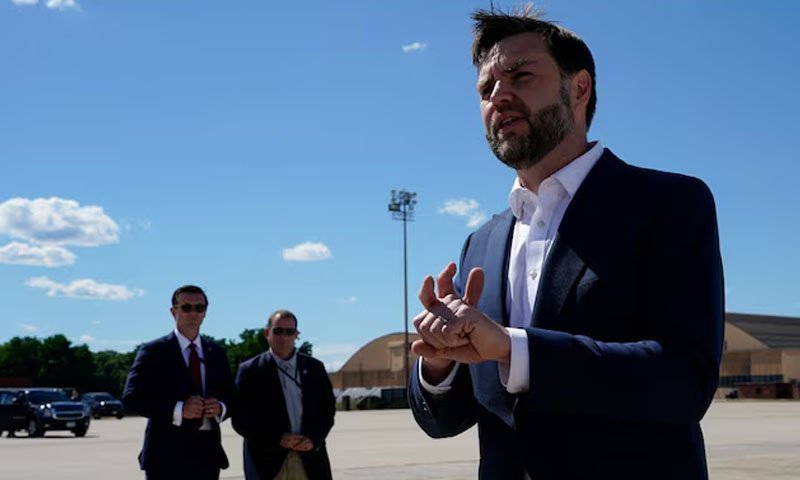
The next phase of U.S.-Iran diplomacy began Sunday as Vice President JD Vance arrived in Switzerland for what could become one of the most important peace negotiations in recent months. The talks aim to secure a lasting end to nearly four months of conflict between Washington and Tehran, but growing uncertainty surrounding the Strait of Hormuz has already cast a shadow over the discussions.
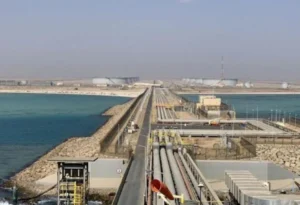
The United States and Iran have agreed to observe a 60-day ceasefire while negotiations continue. However, tensions intensified after Iran’s Islamic Revolutionary Guard Corps claimed the strategic Strait of Hormuz had been closed in response to Israeli military actions in Lebanon. U.S. officials quickly rejected the claim, stating that commercial shipping remained active and uninterrupted through the waterway.
Speaking before his departure, Vance expressed optimism that the negotiations could advance discussions on Iran’s nuclear program and reinforce efforts to maintain the Lebanon ceasefire. He said talks were expected to continue for several days.
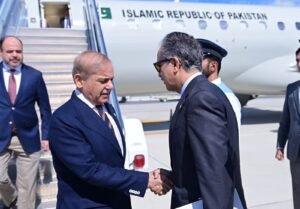
The negotiations follow an interim agreement reportedly brokered by Pakistan and signed earlier this week by President Donald Trump and Iranian President Masoud Pezeshkian. Iranian officials have urged Washington to fully implement its commitments under the agreement, while U.S. officials insist they remain committed to regional stability and freedom of navigation.
About The Author