
Pakistan has rejected India’s claims and official maps over Jammu Kashmir, stressing that the dispute can only be resolved through a UN-supervised plebiscite.
Pakistan has rejected India’s claims over Jammu Kashmir and its so-called official maps, saying unilateral actions cannot alter the disputed status of the territory.
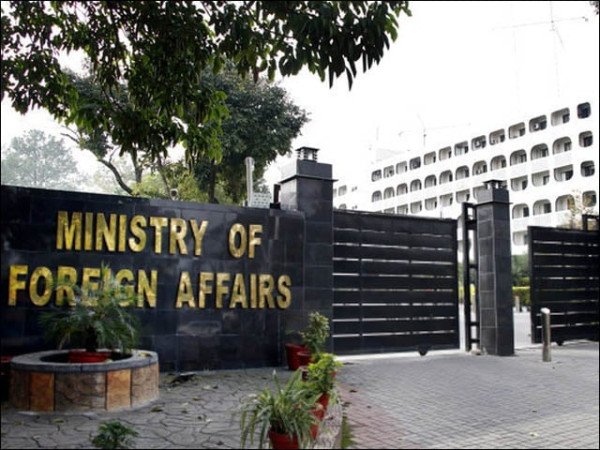
In a recent statement, the Foreign Office spokesperson said India’s unilateral measures were contrary to international law and diplomatic norms. Pakistan also urged the international community to take immediate notice of alleged human rights violations in Indian-administered Jammu Kashmir.
The spokesperson said the Jammu Kashmir dispute remains one of the oldest international disputes on the agenda of the United Nations Security Council. According to Pakistan’s position, a lasting resolution can only be achieved through a free and impartial plebiscite reflecting the will of the Kashmiri people.
Pakistan said such a plebiscite should be conducted under United Nations supervision and in accordance with relevant Security Council resolutions.
Pakistan Rejects India’s Official Maps
The Foreign Office also objected to Indian official maps that portray Jammu Kashmir as part of India.
The spokesperson pointed out that United Nations maps identify Jammu Kashmir as a disputed territory. Pakistan maintained that India’s unilateral claims of sovereignty and its official maps have no legal or diplomatic validity in determining the status of the disputed region.
Islamabad further called on the international community to address alleged rights violations in Indian-administered Jammu Kashmir and urged India to fulfill its international commitments concerning the Kashmiri people’s right to self-determination.
Pakistan said the right to self-determination is reflected in relevant UN Security Council resolutions concerning the dispute.
Kashmir Dispute Remains a Major Regional Issue
The Jammu Kashmir dispute dates back to the 1947 partition of the Indian subcontinent. On Aug. 5, 2019, India revoked the region’s special constitutional status and reorganized it into two federally administered territories, a move rejected by Pakistan and Kashmiri leaders.
Pakistan has continued to oppose India’s subsequent measures, arguing that they cannot determine the final status of the disputed territory.
The latest Foreign Office statement reiterates Islamabad’s longstanding position that the Kashmir dispute requires a resolution consistent with the relevant UN framework and the aspirations of the Kashmiri people.
Pakistan has also continued to raise the issue at international forums, particularly in connection with the disputed territory’s status and allegations of human rights violations.
About The Author