

Mohammad Mokhber says threats from Donald Trump and Benjamin Netanyahu reflect frustration as Tehran hints at possible energy-related measures amid rising regional tensions.
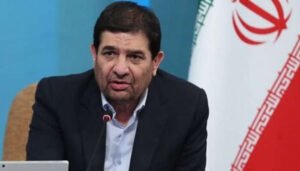
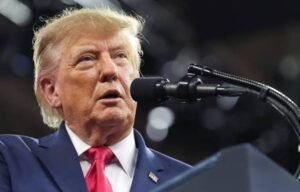
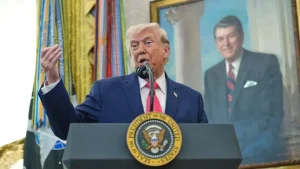
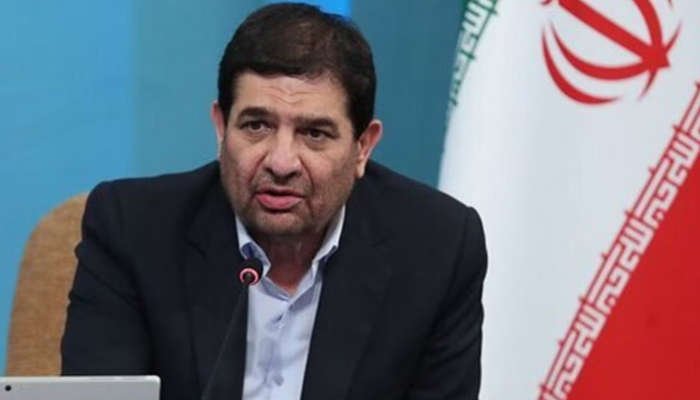
Iran’s Supreme Leader’s adviser Mohammad Mokhber has criticised US President Donald Trump and Israeli Prime Minister Benjamin Netanyahu, describing their threats against Iran as signs of frustration and helplessness rather than strength.
In a statement issued Saturday, Oct. 24, Mokhber said Tehran understood its adversaries’ vulnerabilities and suggested that pressure tactics from Washington and Tel Aviv would not necessarily achieve their intended objectives.
According to the statement, Mokhber argued that the rhetoric from Trump and Netanyahu reflected desperation, while portraying Iran as capable of withstanding pressure from the United States and Israel.
He also indicated that unexpected measures and the use of oil and energy as instruments of pressure could alter calculations in the ongoing confrontation. However, he did not specify what steps Iran might take or explain how energy resources could be used against its opponents.
His remarks come amid heightened tensions between Iran, the United States and Israel, with the confrontation raising concerns about regional security, energy supplies and the possibility of further escalation.
Iran’s strategic position in the global energy landscape adds significance to the comments. The country is located near the Strait of Hormuz, a vital maritime route through which a significant share of the world’s oil supplies passes.
Any disruption to shipping through the strait could affect international trade and energy markets, making developments involving Iran a concern for oil-importing countries and the wider global economy.
Although Mokhber did not announce a specific plan, his reference to oil and energy suggested that Tehran could seek to use its strategic position in the energy sector as leverage in its confrontation with Washington and Tel Aviv. The statement did not provide further details about any potential measures.
Mokhber also invoked Iran’s history and national identity, describing the country as a civilisation with thousands of years of history. He contrasted that historical legacy with what he characterised as concerns within the Israeli government about its future and survival.
His comments reflect Tehran’s stated position that it can withstand external pressure while maintaining its strategic options. However, the remarks also underscore the continuing hostility between the three sides and the challenges facing efforts to ease tensions through diplomacy.
With regional stability and international energy security at stake, further developments in the Iran-US-Israel confrontation remain significant for countries across the Middle East and beyond.
About The Author