


Pakistan increases high-speed diesel to Rs402.96 per litre while maintaining petrol at Rs377.91 amid rising international crude oil prices and Middle East tensions.
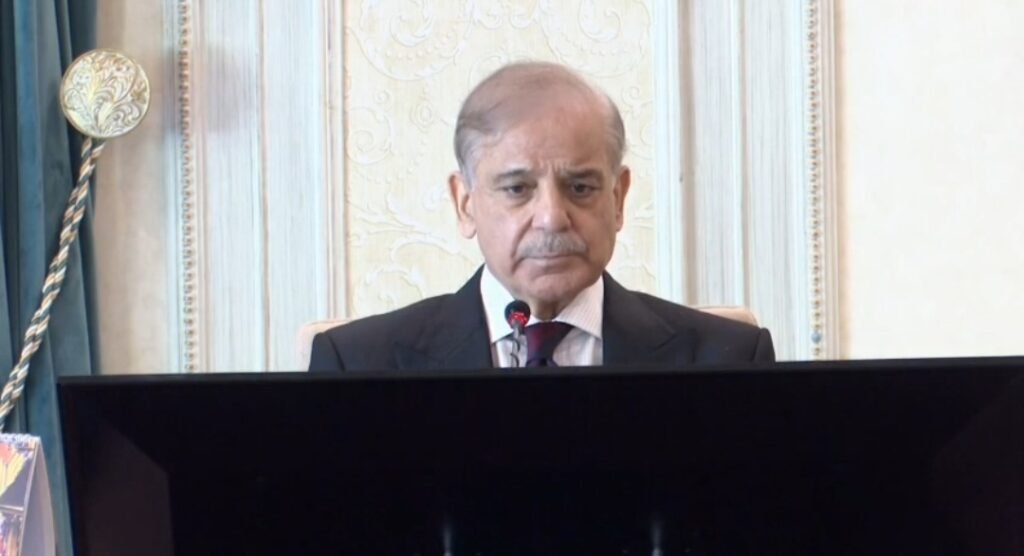
ISLAMABAD: The federal government has increased the price of high-speed diesel (HSD) by Rs2.29 per litre while keeping petrol prices unchanged for the next three days, adding to the financial pressure on consumers amid rising international oil prices and geopolitical uncertainty.
According to a notification issued by the Petroleum Division on Friday, diesel will now cost Rs402.96 per litre, while petrol will remain unchanged at Rs377.91 per litre from October 31 to November 2.
The latest increase follows an earlier adjustment on October 29, when the government raised the diesel price by 85 paisa per litre, pushing it above the Rs400 mark. The latest revision further increases the cost of diesel, which is widely used in the country’s transport and agricultural sectors.
Pakistan introduced a daily petroleum pricing mechanism on July 17, replacing the previous weekly adjustment system. The decision came amid renewed tensions between the United States and Iran, which have increased uncertainty in international energy markets and raised concerns about global fuel supplies.
Meanwhile, the government had announced a targeted fuel relief programme on September 13 to protect lower-income households from rising petroleum costs. Under the proposed initiative, motorcycles, three-wheelers and cars with engine capacities of up to 800cc were promised a subsidy of Rs100 per litre.
The programme was expected to benefit approximately 11.8 million people. Motorcycle and three-wheeler owners were allocated monthly relief of up to Rs2,000, while eligible small-car owners could receive up to Rs3,000.
The government also introduced austerity and fuel conservation measures on September 17 in response to rising petroleum prices. The restrictions included closing markets and shopping centres by 9 p.m., marriage halls by 10 p.m. and restaurants by 11 p.m. Takeaway and home delivery services were exempted.
International crude oil prices have faced renewed upward pressure amid escalating geopolitical tensions, shipping disruptions and uncertainty surrounding energy supplies.
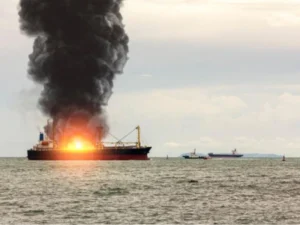
Oil prices surged by more than 2% on Friday following reports that a tanker had been struck in the strategically important Strait of Hormuz. Concerns about a possible escalation of the conflict involving Iran further supported the rally.
Brent crude, the international benchmark, climbed 2.37% to $117.56 per barrel, while US West Texas Intermediate (WTI) gained 2.13% to reach $104.17 per barrel.
Reports of fresh missile attacks targeting Saudi Aramco facilities also contributed to concerns about regional energy security. Market participants are closely monitoring developments in the Middle East, particularly the security of the Strait of Hormuz, a critical route for international oil shipments.
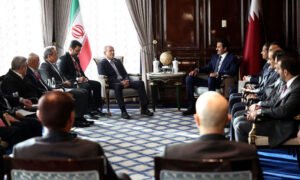
Amid rising tensions, the United States has also indicated efforts to revive diplomatic engagement with Tehran. US Vice President JD Vance reportedly sent a letter to Mohsen Rezaei, head of Iran’s Supreme National Security Council, as Washington explored the possibility of restarting negotiations.
The latest petroleum price adjustment highlights Pakistan’s exposure to international oil market movements, with further developments in the Middle East remaining an important factor for future fuel prices.
About The Author