

Punjab approves a Rs5.886 billion heritage conservation project to restore Rawalpindi’s historic Walled City, markets and landmark buildings.
RAWALPINDI: The Punjab provincial cabinet has approved Rs5.886 billion for the conservation and restoration of Rawalpindi’s historic Walled City, paving the way for the rehabilitation of centuries-old markets, heritage buildings and public spaces.
The decision was taken during the 38th provincial cabinet meeting chaired by Punjab Chief Minister Maryam Nawaz Sharif on Wednesday, Nov. 25, 2026. The cabinet also approved granting protected heritage status to several historic buildings and markets in the city.
The Tourism, Archaeology and Museums Department will execute the project, titled Heritage Conservation and Urban Revitalisation of Walled City Rawalpindi, with an estimated cost of Rs5,886 million.
Under the initiative, historic buildings will be restored to their original architectural appearance, while the external facades of heritage properties will be improved. The project also includes developing pedestrian-friendly streets, shifting electricity cables underground and rehabilitating public spaces to improve the overall environment of the old city.
Five major historic areas have been identified for restoration, including Jamia Masjid Road, Purana Qila Bazaar, Sarafa Bazaar, Bhabra Bazaar and Bagh Sardaran Road. These areas form part of a historic zone covering approximately 2,546 kanals and six marlas.
The cabinet has also approved protected heritage status for eight prominent landmarks. These include Bagh Sardaran Complex, Central Jamia Mosque, Haveli Sujan Singh, Haveli Mohan Singh, Krishna Temple, Haveli Durga Niwas, Kalyan Das Temple and Khurshid Cinema.
According to the reported cabinet decision, the historic properties and markets will be protected on the recommendation of the Directorate General of Archaeology, Punjab.
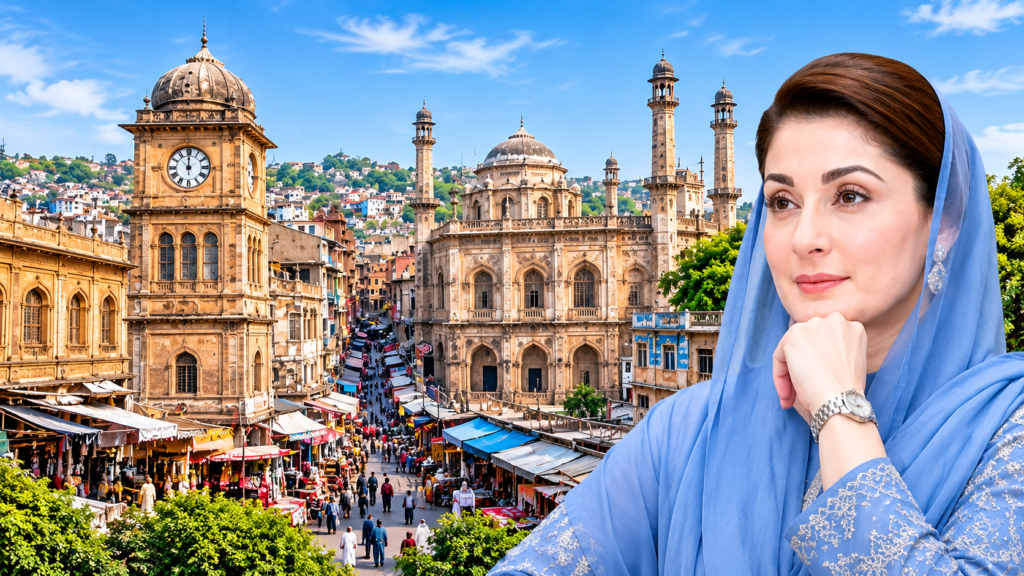
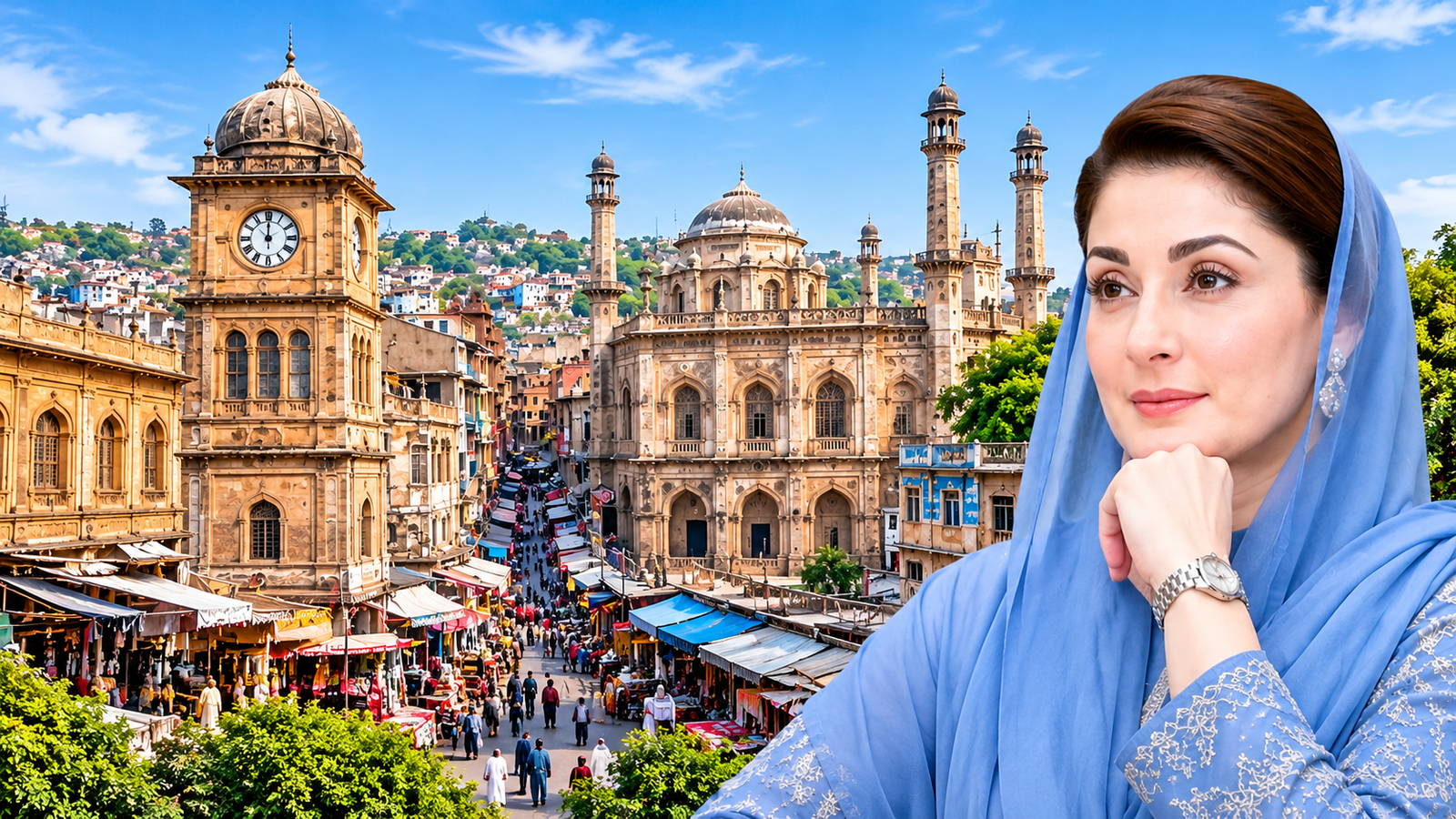
Rawalpindi’s Walled City contains architectural and cultural traces of the Mughal, Sikh and British periods. Its historic buildings, religious sites and traditional commercial streets reflect the city’s diverse architectural and cultural heritage.
However, rapid urbanisation, encroachments and the deteriorating condition of older buildings have gradually affected the area’s historic character.
The restoration initiative follows earlier efforts by the district administration to preserve Rawalpindi’s old city. In April 2026, Dawn reported that the administration had started working on a preservation plan covering areas such as Purana Qila, Jamia Masjid Road and Sarafa Bazaar. The proposed measures included restoring historic facades, improving public facilities and shifting overhead utility installations underground.
The newly approved project represents a major step towards combining heritage conservation with modern urban infrastructure. Its successful implementation could help preserve Rawalpindi’s architectural identity while improving conditions for residents, traders and visitors
About The Author