
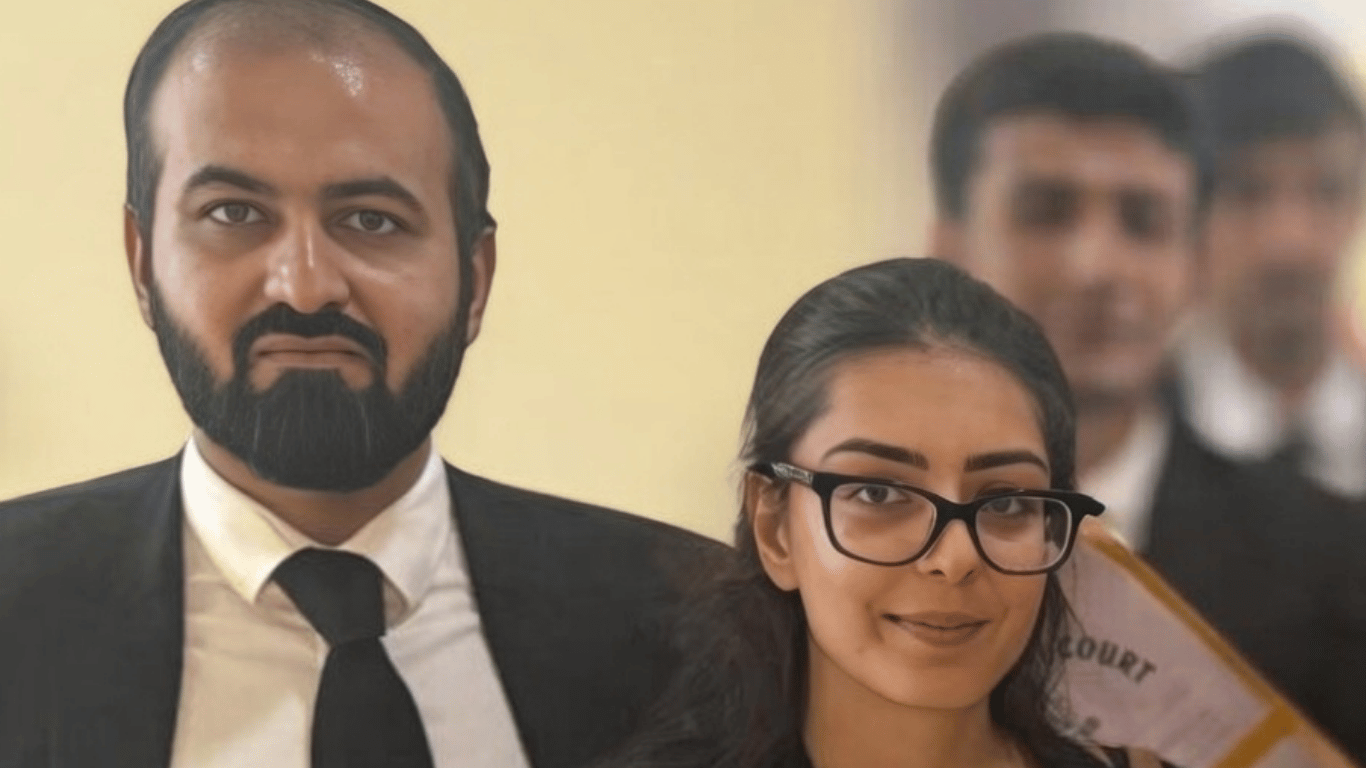

The arrest of lawyer and activist Imaan Mazari has been widely portrayed by some quarters as a political drama or an outright assault on human rights. Such framing, however, risks oversimplifying a far more complex and serious issue. Reducing the matter to slogans of free speech ignores the broader context in which the case has unfolded.
At the heart of the controversy lies a long-running digital narrative that, according to security and legal sources, went well beyond criticism of state policies. For years, a small but active group allegedly used social media platforms to depict Pakistan as a criminal state while subtly reframing the actions of armed militant groups as justified, misunderstood, or worthy of sympathy.
This distinction is crucial. Democracies allow dissent and criticism, but there is a clear legal and moral boundary between questioning state conduct and normalising violence. Legal experts argue that the case against Mazari is not about silencing dissenting voices but about confronting the ideological justification of violence in the public domain.
Groups such as the Baloch Liberation Army and the Baloch Liberation Front are not political entities seeking reform through peaceful means. They are banned militant organisations with a long record of attacks on security personnel, teachers, labourers, and civilians. Thousands of Pakistani families, particularly in Balochistan, continue to live with the trauma of these acts.
ALSO READ: Islamabad court sentences Imaan Mazari, husband to 17 years over social media posts
Framing enforcement of the law as a human rights violation, critics argue, risks erasing the suffering of victims of militancy. It also sets a dangerous precedent where any action against extremist narratives can be dismissed as political victimisation.
The debate, therefore, should not be reduced to emotion or slogans. It must confront a difficult but necessary question: where does free expression end, and where does responsibility to society begin?
About The Author