
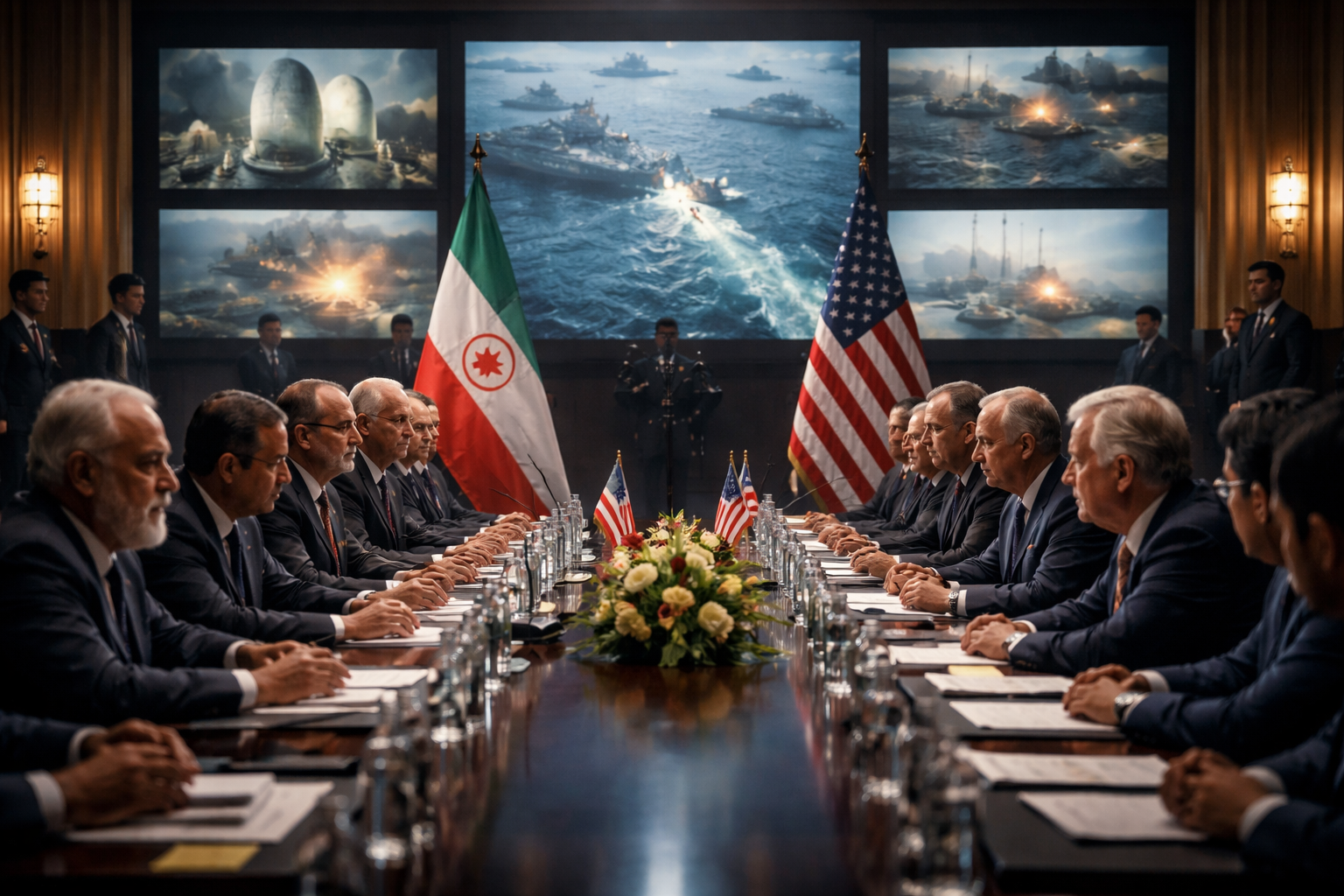

As the ceasefire deadline approaches, intense diplomatic maneuvering unfolds behind closed doors, with global stability hanging in the balance.
ISLAMABAD: With just 72 hours remaining before the ceasefire deadline expires, the world stands at a critical juncture as uncertainty surrounds the future of ongoing negotiations involving Iran. Global markets, diplomatic circles, and strategic institutions are closely monitoring whether a second round of talks will take place in Islamabad and if any meaningful agreement can be achieved.
Diplomatic experts emphasize a long-standing principle: moments of apparent silence often mask intense negotiations behind closed doors. This pattern appears to be unfolding once again, as subtle signals, strategic statements, and calculated concessions emerge from key stakeholders. The stakes are exceptionally high, with tensions linked to the Strait of Hormuz and broader regional security concerns adding urgency to the situation.
A recent analytical report citing veteran negotiators involved in past nuclear agreements highlights the complexity of the current scenario. Former senior officials who played key roles in the 2015 nuclear deal have underscored that agreements of this magnitude cannot be finalized within days. They point out that the Joint Comprehensive Plan of Action (JCPOA) took over 18 months of continuous engagement, involving multiple rounds of discussions across different global capitals.
These insights suggest that expectations for a swift resolution may be unrealistic. Negotiations with Iran are known for their methodical pace, detailed technical scrutiny, and strategic patience. Analysts note that Iranian negotiators often adopt a layered approach, engaging in prolonged discussions to test priorities and extract concessions over time.
One of the central challenges remains Iran’s stockpile of enriched uranium. Reports indicate that Tehran may be willing to consider transferring a portion of its reserves under international supervision. However, experts widely believe that Iran is unlikely to relinquish its entire stockpile, viewing it as a critical element of its strategic deterrence. Retaining some level of capability is seen as essential for national security and leverage in future negotiations.
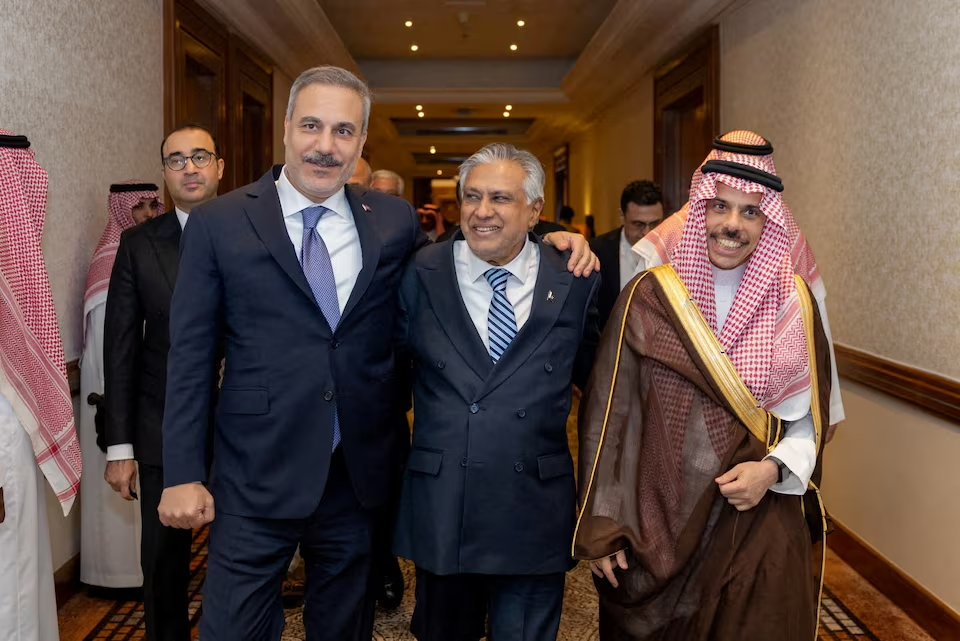
Recent developments over the past several days reflect a classic pattern of incremental diplomacy. High-level visits, indirect messaging, and calibrated public statements have created an atmosphere of cautious optimism. Iranian officials have signaled a willingness to engage, while global leaders have called for de-escalation and a diplomatic resolution.
At the same time, trust remains a significant barrier. Past experiences, including breakdowns of previous agreements and shifting geopolitical alignments, have contributed to a deeply cautious environment. Analysts note that current negotiating teams differ from those involved in earlier agreements, adding another layer of complexity to the process.
Historical precedents offer both hope and caution. Diplomatic breakthroughs such as the resolution of the Cuban Missile Crisis and the Camp David Accords demonstrate that last-minute agreements are possible even in the most tense circumstances. However, failed agreements and short-lived deals serve as reminders that not all negotiations yield lasting outcomes.
The broader geopolitical context further complicates the situation. Economic pressures, domestic political considerations, and shifting alliances are influencing decision-making on all sides. Observers suggest that some parties may feel a greater urgency to reach an agreement, potentially affecting the balance of negotiations.
As the deadline approaches, several outcomes remain possible. A comprehensive agreement appears unlikely within such a limited timeframe. More probable scenarios include a temporary extension of the ceasefire, a limited interim deal involving partial concessions, or a commitment to continue negotiations at a later date.
Despite the uncertainty, even a modest agreement could play a crucial role in preventing escalation. Analysts stress that incremental progress should not be underestimated, as it can lay the groundwork for more substantial breakthroughs in the future.
Across global capitals, diplomatic activity is intensifying. Late-night discussions, strategic consultations, and behind-the-scenes negotiations are underway as leaders attempt to navigate a path forward. The coming days are expected to be decisive, not only for the immediate crisis but also for the long-term stability of the region.
Ultimately, the situation underscores a fundamental reality of diplomacy: the final moments before a deadline often carry the greatest weight. It is during this period that the cost of failure becomes most apparent, and the incentive to reach an agreement reaches its peak.
Whether the next 72 hours lead to a breakthrough or a breakdown remains uncertain. What is clear, however, is that the outcome will have far-reaching implications, shaping the trajectory of regional security, global markets, and international relations in the months and years ahead.
About The Author