

US president outlines criticism of past nuclear deal and pledges stronger terms in future negotiations.
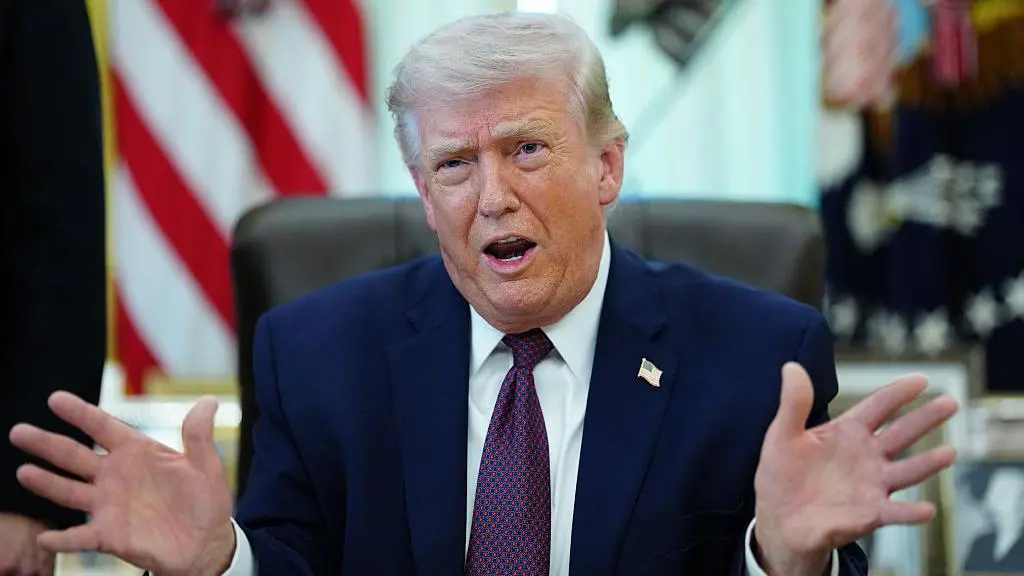
WASHINGTON: Donald Trump has stated that any new agreement with Iran would be significantly stronger and more effective than the previous nuclear deal known as the Joint Comprehensive Plan of Action (JCPOA).
In a detailed social media post, Trump strongly criticized the Obama-era agreement, arguing that it posed serious security risks to the United States and its allies. He claimed that the deal enabled Iran to access large sums of money and described it as one of the “worst agreements” related to national security.
Trump further alleged that financial arrangements under the JCPOA included the transfer of billions of dollars in cash to Iranian authorities, asserting that such steps strengthened Tehran’s position without adequately addressing concerns over its nuclear ambitions.
According to Trump, the previous deal created conditions that could have allowed Iran to develop nuclear weapons, posing threats not only to regional stability but also to US military bases and allies, including Israel.
Emphasizing his own approach, Trump stated that any future agreement negotiated under his leadership would prioritize peace, security, and safety on a global scale. He argued that a revised deal would prevent nuclear proliferation and ensure stronger safeguards compared to the JCPOA.
The former president also criticized media coverage and analysts who continue to support the earlier agreement, describing such narratives as misleading. His remarks come at a time when diplomatic efforts are underway to potentially revive or renegotiate terms between Washington and Tehran.
Observers note that Trump’s statements reflect a continuation of his long-standing narrative against the JCPOA, which he withdrew from during his presidency. Analysts say the debate over the effectiveness of the original deal versus potential new frameworks remains a central issue in US-Iran relations.
The development adds to ongoing discussions surrounding future negotiations, with differing perspectives shaping the discourse on how best to address nuclear concerns and regional stability.
About The Author