
Report credits Islamabad’s mediation efforts in US-Iran tensions while criticizing India’s limited diplomatic engagement.
ISLAMABAD: An international publication, Asia Times, has reported a shift in regional dynamics, suggesting that growing ties with Pakistan and Islamabad’s increasing diplomatic role are prompting the United States to reassess its strategic confidence in India.
According to the report, Pakistan played a key mediatory role during recent tensions between the United States and Iran, helping facilitate dialogue between the two sides. The publication noted that Islamabad maintained consistent communication with senior officials in both countries, contributing to the initiation of talks.
In contrast, the report described India’s diplomatic engagement as limited during the crisis. It stated that Narendra Modi primarily focused discussions with Donald Trump on oil prices and supply chain concerns, rather than broader conflict resolution efforts.
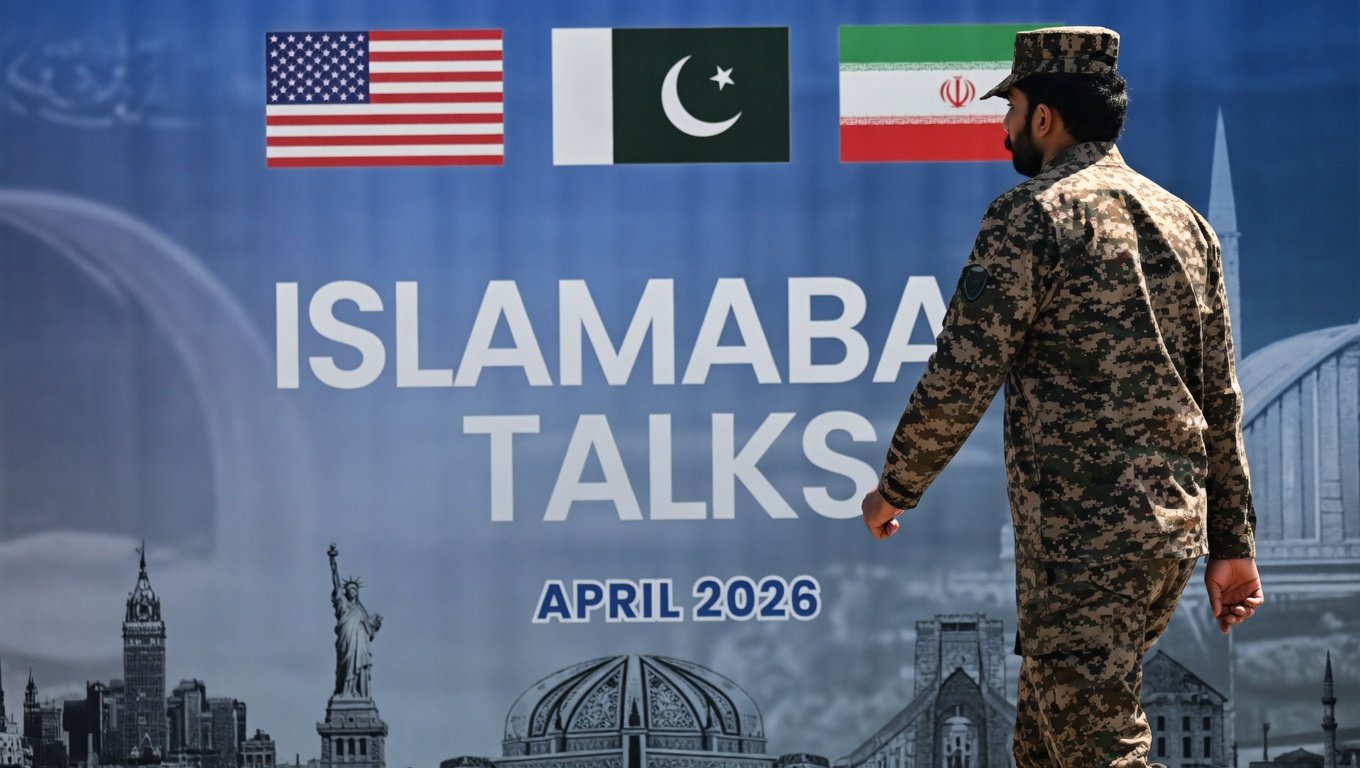
The report further highlighted Pakistan’s political and military leadership for actively working toward de-escalation, with efforts aimed at preventing a wider conflict in the region. It added that early diplomatic outreach by Islamabad helped pave the way for initial negotiations reportedly held in the Pakistani capital.
Global acknowledgment of Pakistan’s role has also been noted. Leaders including Donald Trump and Masoud Pezeshkian were cited as appreciating the leadership of Shehbaz Sharif and Asim Munir in navigating the crisis.
Within India, the report said, the government has faced criticism from media and opposition figures over what they described as an ineffective foreign policy response. Analysts believe that Pakistan’s expanding diplomatic footprint could reshape its relations with major global powers in the coming years.
The report also referenced heightened risks to the global economy during the crisis, particularly amid concerns over the Strait of Hormuz. Pakistan’s geographic position, bordering Iran while maintaining ties with the United States, was described as a strategic advantage leveraged effectively through diplomacy.
Recent engagements, including high-level visits and ongoing communication between Islamabad and Washington, were portrayed as instrumental in bridging gaps once considered difficult to overcome. The report concluded that while India has traditionally projected itself as a regional power, Pakistan’s proactive diplomacy has positioned it as a key and indispensable interlocutor on the global stage.
An international publication, Asia Times, has reported a shift in regional dynamics, suggesting that growing ties with Pakistan and Islamabad’s increasing diplomatic role are prompting the United States to reassess its strategic confidence in India.
According to the report, Pakistan played a key mediatory role during recent tensions between the United States and Iran, helping facilitate dialogue between the two sides. The publication noted that Islamabad maintained consistent communication with senior officials in both countries, contributing to the initiation of talks.
In contrast, the report described India’s diplomatic engagement as limited during the crisis. It stated that Narendra Modi primarily focused discussions with Donald Trump on oil prices and supply chain concerns, rather than broader conflict resolution efforts.
The report further highlighted Pakistan’s political and military leadership for actively working toward de-escalation, with efforts aimed at preventing a wider conflict in the region. It added that early diplomatic outreach by Islamabad helped pave the way for initial negotiations reportedly held in the Pakistani capital.
Global acknowledgment of Pakistan’s role has also been noted. Leaders including Donald Trump and Masoud Pezeshkian were cited as appreciating the leadership of Shehbaz Sharif and Asim Munir in navigating the crisis.
Within India, the report said, the government has faced criticism from media and opposition figures over what they described as an ineffective foreign policy response. Analysts believe that Pakistan’s expanding diplomatic footprint could reshape its relations with major global powers in the coming years.
The report also referenced heightened risks to the global economy during the crisis, particularly amid concerns over the Strait of Hormuz. Pakistan’s geographic position, bordering Iran while maintaining ties with the United States, was described as a strategic advantage leveraged effectively through diplomacy.
Recent engagements, including high-level visits and ongoing communication between Islamabad and Washington, were portrayed as instrumental in bridging gaps once considered difficult to overcome. The report concluded that while India has traditionally projected itself as a regional power, Pakistan’s proactive diplomacy has positioned it as a key and indispensable interlocutor on the global stage.
About The Author