

Tehran declares seven public holidays as regional conflict escalates and oil markets brace for volatility
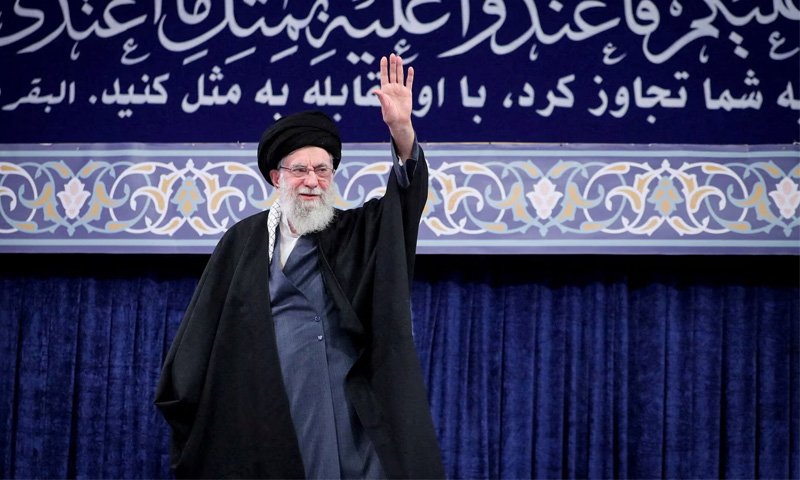
Iranian state media confirmed the death of Supreme Leader Ayatollah Ali Khamenei following coordinated U.S. and Israeli airstrikes targeting senior leadership sites in Tehran, marking a dramatic escalation in Middle East tensions.
The 86-year-old leader, who had ruled since 1989, was reportedly killed in strikes that hit multiple locations, including areas near his compound. State media announced a 40-day mourning period and seven public holidays.
U.S. President Donald Trump said Washington worked closely with Israel and described the operation as necessary to counter imminent threats. Israeli Prime Minister Benjamin Netanyahu said the aerial campaign involving about 200 fighter jets destroyed key military infrastructure, including Khamenei’s compound.
Iran condemned the strikes as illegal and launched retaliatory missile and drone attacks toward Israel and Gulf states hosting U.S. bases. Missiles were reported over Tel Aviv, while air defenses were activated in several Gulf countries. The Pentagon said there were no reported U.S. casualties.
Iranian media also reported the deaths of senior officials, including Defense Minister Amir Nasirzadeh and Revolutionary Guards commander Mohammad Pakpour.
Oil markets reacted nervously after Tehran warned it could close the Strait of Hormuz, a critical global energy route. With nuclear talks stalled and diplomatic channels strained, fears are mounting that the conflict could widen into a broader regional war.
About The Author