

FAO assessment highlights shortages of nutritious foods and urges Pakistan to reform agricultural, fiscal and food policies to improve access to healthy diets.
The Food and Agriculture Organization (FAO) of the United Nations has called for urgent reforms to Pakistan’s agri-food system, warning that the country’s existing food supply does not adequately meet the nutritional needs of its population.
In its latest assessment, “Food Supply for Healthy Diets in Pakistan,” the UN agency identified a persistent gap between the quantity and composition of food available in the country and the levels recommended under Pakistan’s food-based dietary guidelines (FBDGs).
The assessment said more than 60% of Pakistan’s population could not afford a healthy diet, contributing to widespread malnutrition. At the same time, diet-related non-communicable diseases are increasing, while different forms of undernutrition continue to affect the population.
According to the FAO, unhealthy diets are a major contributor to all forms of malnutrition and are also directly associated with illness and deaths caused by non-communicable diseases.
The agency recommended a range of policies aimed at increasing demand for nutritious foods. These include updating Pakistan’s dietary guidelines to incorporate nutrition, health and environmental considerations and using them to strengthen nutrition education and encourage behavioral change.
The FAO also proposed evidence-based fiscal measures, including taxes on sugar-sweetened beverages and products containing excessive amounts of sugar, salt and unhealthy fats. It recommended introducing front-of-pack nutrition labels to help consumers make better-informed purchasing decisions.
Other proposed measures include protecting vulnerable groups, restricting the marketing of unhealthy foods, particularly those targeting children, expanding nutritious school meal programmes and strengthening social protection schemes to improve access to healthy foods.
The assessment also called for changes in agricultural policies and investment priorities to encourage greater production of vegetables, fruits, pulses, roots and tubers. It said milk production should receive additional support in regions where conditions are suitable.
The FAO further recommended stronger incentives for food processors to comply with food safety and quality standards and reformulate products by reducing salt, sugar and unhealthy fats.
Improving the retail food environment was another priority identified by the agency. Investment in storage facilities, cold-chain systems and market infrastructure could help reduce food losses and improve the availability of nutritious products, it said.
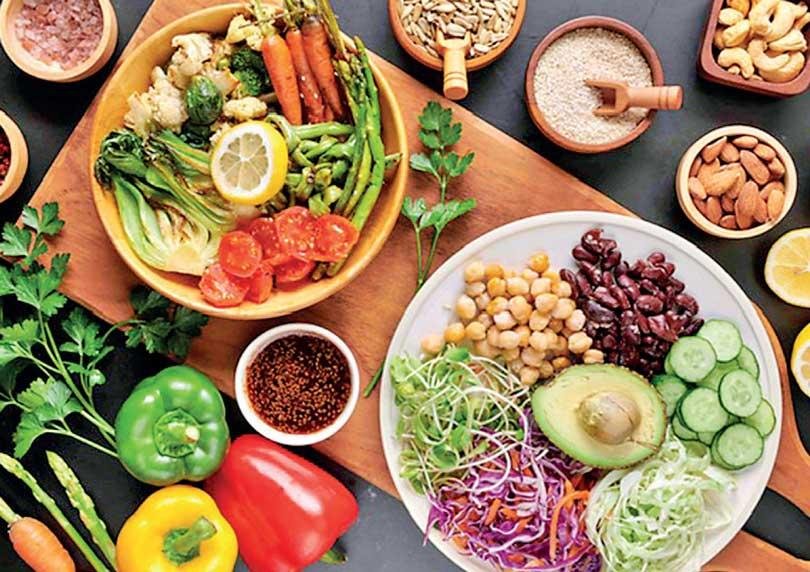
The assessment found significant shortages in several nutritious food categories, particularly vegetables, roots and tubers, fruits, and legumes and pulses. At the same time, staples and sugar are available in quantities exceeding dietary needs.
The FAO said combining policy reforms with regular monitoring could help Pakistan expand access to and consumption of healthier diets in both the short and long term.
“Enabling equitable access to diverse, nutritious, safe, and affordable foods that support healthy diets is a policy imperative for Pakistan,” the assessment concluded.
About The Author