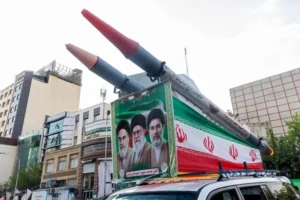

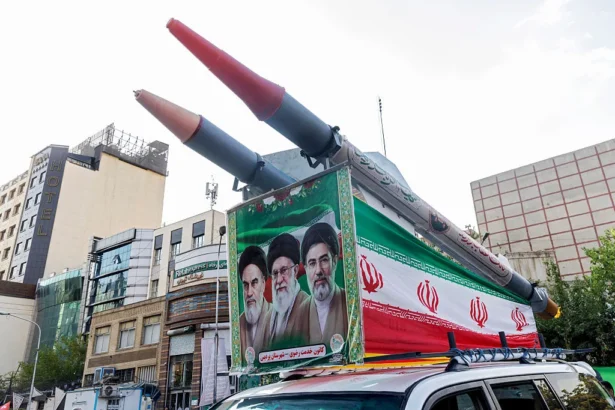

A Bloomberg report says Iran has preserved parts of its missile and drone manufacturing infrastructure, retained significant weapons stocks and reportedly received missile supplies from Russia despite months of US-Israeli airstrikes.
Iran has retained the ability to manufacture missiles and drones despite months of US and Israeli airstrikes, raising questions about the long-term effectiveness of the military campaign against Tehran’s weapons capabilities, according to a Bloomberg report published Oct. 10.
Citing officials familiar with the matter, Bloomberg reported that Iran had preserved parts of its missile and drone manufacturing infrastructure, enabling it to continue producing weapons and replenish military stockpiles despite extensive bombardment.
One official said Iran still possessed substantial stocks of ballistic missiles and certain types of anti-ship weapons. The country also retained the capacity to manufacture additional missiles at a rapid pace, the report said.
Russia was also supplying missiles to Iran, according to Bloomberg, potentially giving Tehran an additional source of weapons as it seeks to maintain its military capabilities.
The reported assessments suggest that Iran could still retaliate if the United States resumes airstrikes. Its surviving weapons stocks and production capabilities could complicate efforts by Washington and its allies to eliminate the country’s missile threat through military action alone.
US-Israeli strikes inflicted significant damage
Despite Iran’s remaining capabilities, the military campaign has reportedly caused substantial damage to the country’s defense industry.
Bloomberg cited an assessment by Jim Lamson, a former CIA analyst, who said the campaign likely inflicted severe long-term damage on a substantial portion of Iran’s prewar missile production capacity.
The distinction between existing weapons stockpiles and manufacturing infrastructure remains important in assessing the impact of the strikes. Even if production facilities have been damaged, surviving factories and stored weapons could allow Iran to maintain some military readiness.
Western intelligence assessments in June indicated that Iran still possessed approximately three-quarters of its prewar ammunition and other military stockpiles, Bloomberg reported.
That assessment suggested that the air campaign had not eliminated Iran’s weapons reserves, even as the strikes sought to weaken Tehran’s ability to sustain military operations.
The remaining stockpiles could provide Iran with weapons for continued operations, while surviving manufacturing facilities may help it replenish supplies. However, the extent of the damage to production infrastructure could affect its ability to sustain weapons output over the longer term.
Iran’s remaining arsenal poses strategic challenges
The report highlighted the broader implications of Iran’s surviving missile and drone capabilities as Washington considers its next steps.
According to Bloomberg, President Donald Trump has been reluctant to launch further attacks ahead of the U.S. midterm elections.
Iran’s remaining military capabilities could complicate any decision to resume strikes, particularly if Tehran retains sufficient weapons to retaliate against U.S. forces or regional targets.
Although the reported damage may have reduced Iran’s long-term weapons production capacity, its surviving facilities, existing stockpiles and reported external supplies indicate that the country remains a factor in regional security calculations.
Author