

Iran renewed high-level diplomatic contacts with Pakistan and Saudi Arabia as regional powers intensified efforts to reduce tensions ahead of expected US-Iran negotiations.
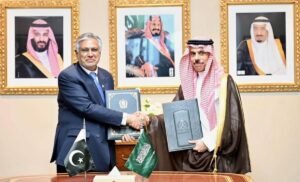
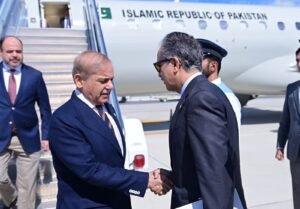
Iran has stepped up diplomatic efforts with Pakistan and Saudi Arabia as regional leaders seek to prevent a broader conflict in the Middle East and keep diplomatic channels open amid rising geopolitical tensions.
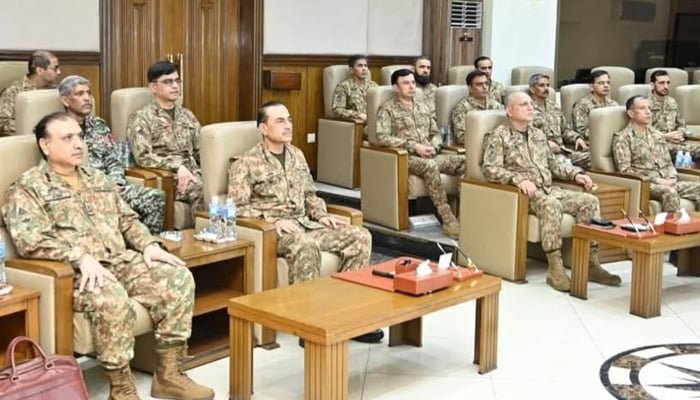
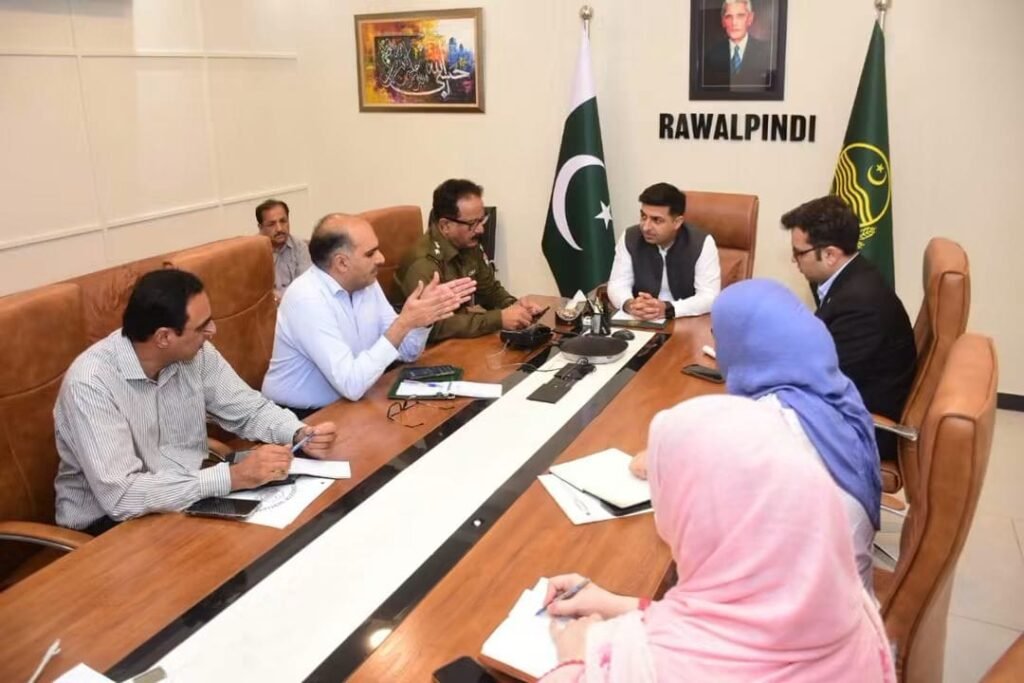
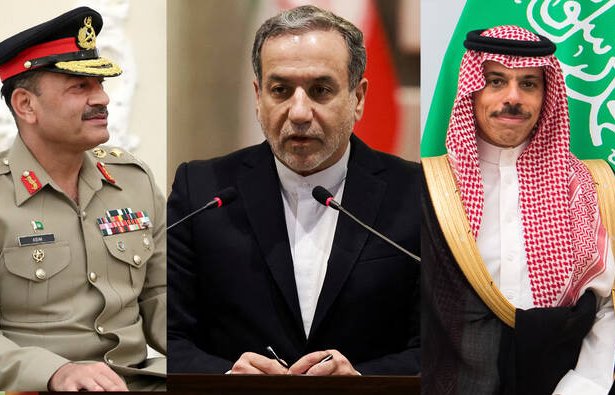
According to Iranian state media, Foreign Minister Abbas Araghchi held separate telephone conversations on Monday with Pakistan’s Field Marshal Syed Asim Munir and Saudi Foreign Minister Prince Faisal bin Farhan. The discussions marked the second round of high-level contacts between the officials within 24 hours, highlighting the urgency of ongoing regional diplomacy.
During the calls, the leaders reviewed the latest political and security developments and emphasized the importance of resolving disputes through dialogue rather than military confrontation. They also reaffirmed their commitment to stronger regional cooperation aimed at preserving long-term peace and stability across West Asia.
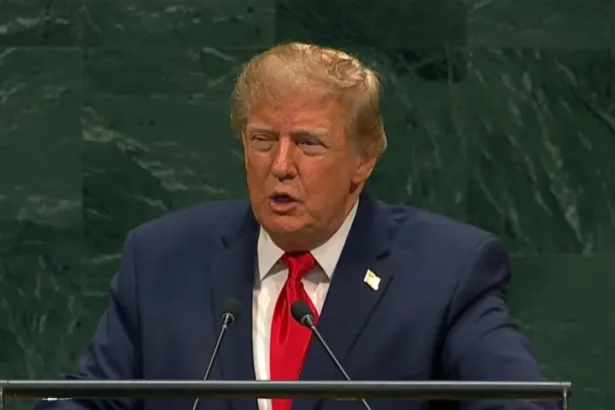
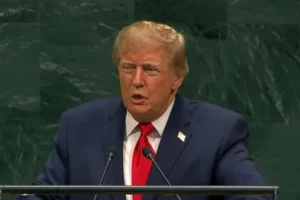
The renewed diplomatic engagement follows US President Donald Trump’s announcement that Washington had postponed previously planned military strikes against Iran in favor of restarting negotiations with Tehran. While Trump suggested regional countries had contributed to the renewed diplomatic framework, Iranian officials rejected claims that Tehran had sought a halt in military pressure.
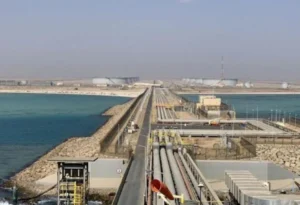
Expected negotiations between the United States and Iran are likely to focus on Tehran’s nuclear program and the future of the Strait of Hormuz, one of the world’s most critical maritime trade routes. The strategic waterway carries a significant share of global oil and liquefied natural gas exports, making any disruption a major concern for international energy markets.
Iran has continued to warn that any military action by the United States, Israel, or regional countries supporting such operations would receive what it describes as a firm and proportionate response. The warnings come after months of heightened tensions driven by disputes over Iran’s nuclear activities, missile program, and support for allied armed groups.
The prolonged uncertainty has disrupted shipping routes across the Gulf and Red Sea, contributed to higher global energy prices, and raised concerns about wider regional instability. Despite continued security risks, diplomatic efforts remain active, with Pakistan, Saudi Arabia, and other regional stakeholders seeking to encourage dialogue and reduce the risk of further escalation.
About The Author