

Two Pakistani pilots are undergoing intensive training in China as Pakistan prepares to select its first astronaut for a mission aboard the Tiangong space station.
Pakistan is moving closer to selecting its first astronaut for a mission aboard China’s Tiangong space station, with two Pakistani pilots undergoing intensive training in Beijing ahead of a final decision expected in mid-to-late October.
Pilots Zeeshan Ali and Khurram Daud have spent months training at the China Astronaut Research and Training Center, learning Mandarin, spacecraft systems and techniques for coping with microgravity and the g-forces experienced during launch, according to Amer Gilani, who oversees human spaceflight cooperation at Pakistan’s space agency, SUPARCO.
China has not announced which pilot will fly or provided a launch date. Gilani said the selected astronaut will remain in China until the mission, travel directly to space from the training program and return to Pakistan after a recovery period following the mission.
The planned flight would mark the first time a Pakistani citizen travels into space and is part of wider cooperation between Pakistan and China in space technology. The partnership has included Chinese-launched Pakistani satellites, a joint satellite-navigation system and a Pakistani-built rover planned for China’s Chang’e 8 lunar mission around 2028.
The two pilots were selected from roughly 20 finalists drawn from an initial pool of Pakistani pilots and scientists. Candidates were assessed for medical fitness, psychological resilience and their ability to tolerate high g-forces.
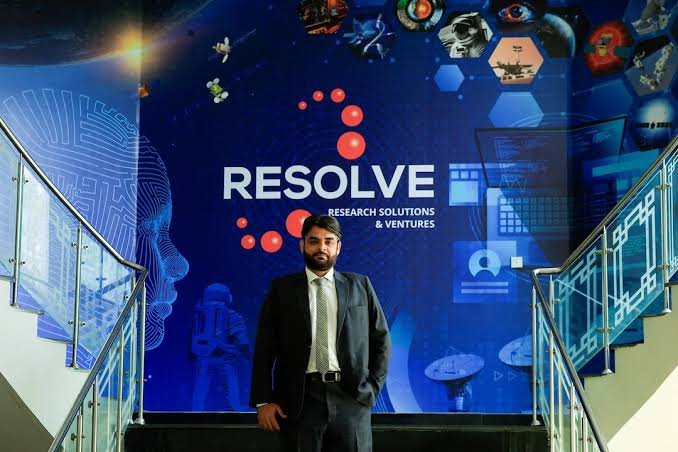
SUPARCO Director of Artificial Intelligence Uzair Ansari said the requirement helped favor candidates with experience in high-speed flying.
“You cannot easily find scientists who are familiar with travelling and facing high-level g-forces,” Ansari said.
The selected astronaut will serve as a “payload specialist,” responsible primarily for conducting Pakistani scientific experiments rather than operating the spacecraft, Ansari said.
SUPARCO received more than 300 experiment proposals from universities in Karachi, Lahore and Islamabad. Chinese institutes selected four biotechnology experiments for the mission, with research aimed at addressing challenges linked to food insecurity and climate change.
According to Gilani, each experiment is being built and tested in SUPARCO laboratories before receiving approval from Chinese engineers.
The mission will be relatively short, with the Pakistani astronaut expected to spend about a week aboard Tiangong, compared with the roughly six-month rotations of Chinese career astronauts.
The astronaut will travel aboard a Chinese spacecraft, launch from a Chinese facility and communicate in Mandarin while in orbit. Pakistan currently has no independent crewed spacecraft or launch vehicle.
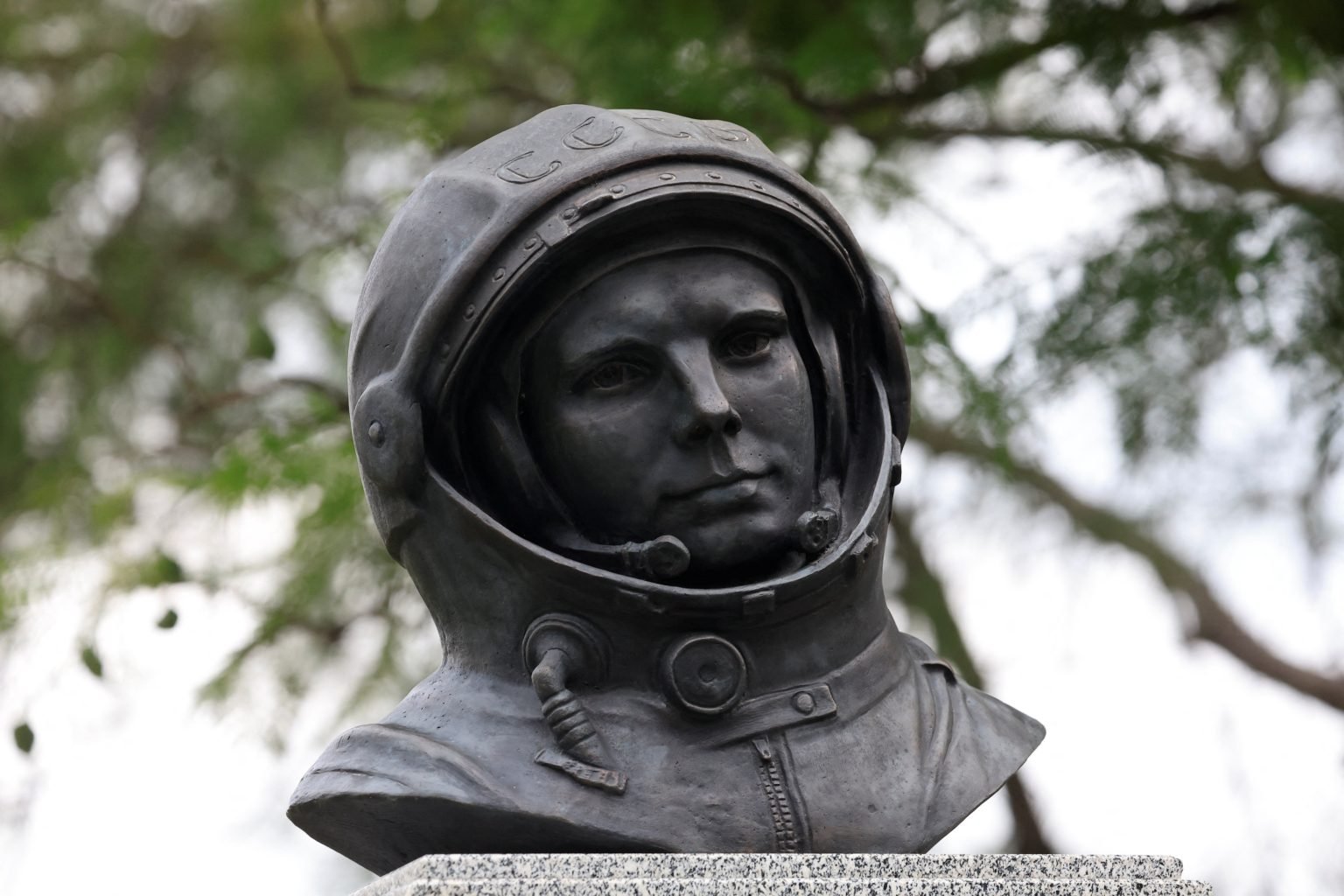
Since Yuri Gagarin became the first person to travel into space in 1961, citizens of about 50 countries have flown into space. However, only Russia, the United States and China have launched their own crewed spacecraft.
Gilani said there is no official commitment or discussion about sending a Pakistani astronaut to the moon under the partnership. He said future plans would depend on the outcome of the “maiden mission.”
Separately, Pakistan’s lunar rover is expected to join China’s Chang’e 8 mission around 2028. Ansari said the rover will use AI-based stereo imaging to identify obstacles, assess depth and plan its route across the lunar surface.
For Pakistani scientists, Ansari described the planned astronaut mission as a “once-in-a-lifetime opportunity.”
About The Author