

Pakistan has resumed LNG regasification at Engro’s terminal after receiving a Qatari shipment, but supply disruptions and reduced domestic production threaten winter gas availability.
Pakistan received its first liquefied natural gas (LNG) shipment of October on Tuesday, restoring operations at Engro’s LNG terminal and adding around 150 million cubic feet per day (mmcfd) of regasified LNG (RLNG) to the national gas network. However, uncertainty over international imports and declining domestic supplies continues to raise concerns about the country’s winter energy requirements.
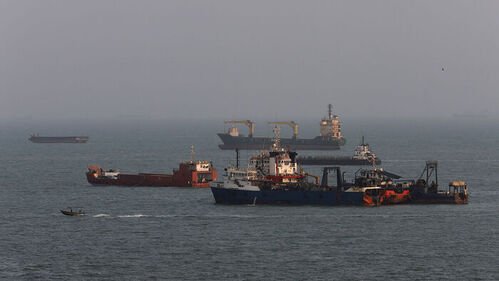
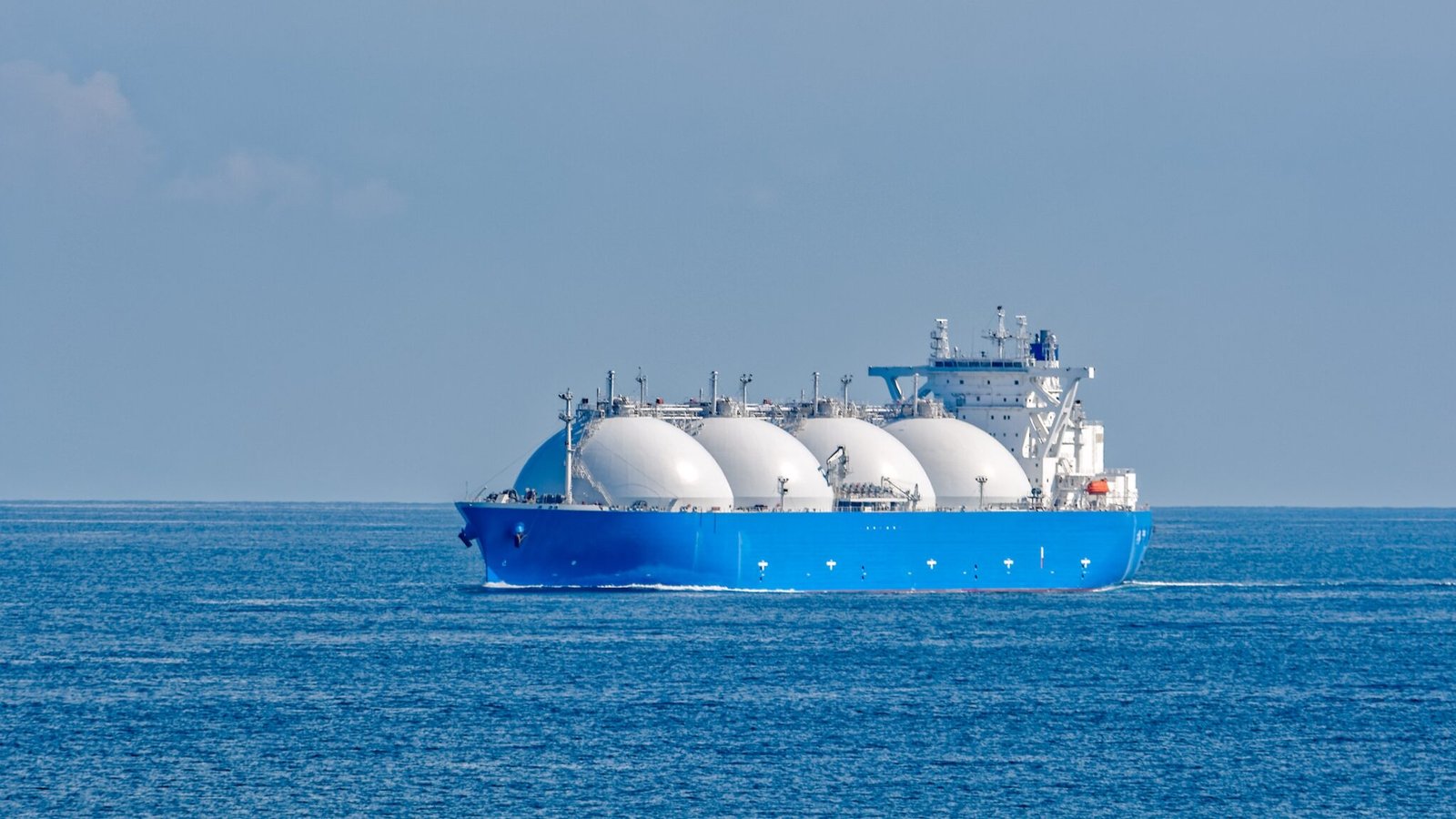
The LNG vessel Al-Areesh, carrying cargo from Qatar, berthed at Engro’s terminal, allowing regasification operations to resume. The terminal had remained shut since Sept. 26 because no LNG vessel was available.
Pakistan may receive only two LNG shipments during October, matching the number delivered in September, according to the latest supply outlook. Authorities are working to arrange additional cargoes from Qatar and have also sought assistance from Iranian and U.S. officials. However, disruptions to Qatari exports and uncertainty over maritime traffic through the Strait of Hormuz continue to complicate procurement efforts.
Pakistan’s second LNG terminal, operated by Pakistan GasPort Limited (PGPL), has remained non-operational since Oct. 9 because of insufficient LNG stocks. Officials expect another cargo to be arranged for the facility within eight to 10 days.
The supply constraints have already affected gas availability for electricity generation. Between Oct. 9 and Oct. 13, neither terminal was regasifying LNG. Consequently, the power sector had access to only around 38 mmcfd of gas for electricity production as of Oct. 13. The resumption of operations at Engro’s terminal is expected to ease some of the pressure on the system.
Qatar supply disruption raises winter concerns
Pakistan’s winter energy outlook remains uncertain following QatarEnergy’s force majeure declaration on March 4. The company took the step after Iran attacked Ras Laffan, Qatar’s largest LNG production facility, on March 2.
QatarEnergy has extended the force majeure twice, with the latest extension running until Nov. 6. Further extensions remain possible if conditions in the Strait of Hormuz do not improve, potentially disrupting LNG imports during the period of peak seasonal demand.
Gas consumption is expected to increase sharply as temperatures fall. Sui Northern Gas Pipelines Limited (SNGPL) projects demand to rise from the current 500 mmcfd to 1,550 mmcfd during winter. Sui Southern Gas Company (SSGC) expects its requirement to increase from 300 mmcfd to 500 mmcfd.
Domestic production problems add pressure
International supply disruptions are being compounded by domestic production shortfalls and infrastructure problems.
According to line-pack data for Oct. 13, gas consumption in the fertiliser sector reached 90 mmcfd, up from 88 mmcfd a day earlier.
Supplies from MOL’s CPF and GPF facilities remained below normal because of an annual maintenance shutdown. The facilities supplied 123 mmcfd, compared with their usual output of 160 mmcfd.
Meanwhile, 31 mmcfd of gas from the Bettani field has remained suspended since late Oct. 9 following a rupture in the 8-inch Bettani-Kakakhel pipeline near Sheri-Khel village. The damage occurred at approximately kilometre 26.5 of the pipeline.
Production at MEL’s GTH plant also fell below its normal level. The facility supplied 65 mmcfd on Oct. 12, compared with its usual output of 70 mmcfd, because of an operational problem.
Third-party supplies of 14.5 mmcfd from MOL’s Mamikhel South well have also remained suspended since Sept. 26 because of an issue at the well site.
In a separate dispute, around 45 mmcfd of raw gas intended for Liberty Power has remained suspended since Sept. 17 over non-payment.
The combination of limited LNG imports, reduced domestic production and suspended supplies threatens to complicate efforts to meet demand from households, power plants and industrial consumers during winter.
Although the latest Qatari shipment has restored operations at Engro’s terminal, the continued closure of the PGPL facility and uncertainty over future deliveries leave Pakistan facing a challenging winter gas supply outlook.
Author