

Private diplomatic exchanges underscore the challenges of preserving a decades-long Pakistan-Japan partnership as regional security and strategic alliances continue to evolve across Asia.
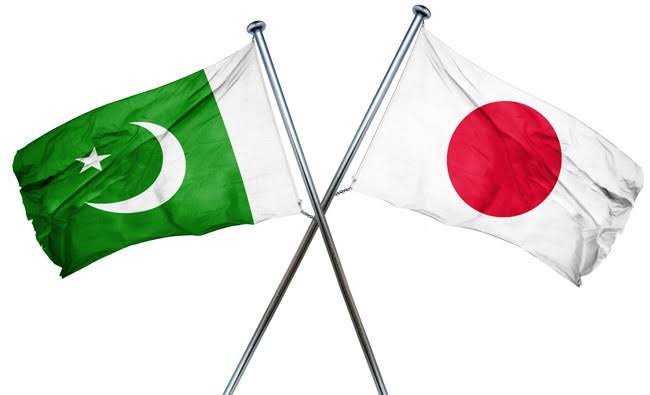
Pakistan and Japan are seeking to preserve their long-standing partnership despite recent diplomatic sensitivities triggered by shifting geopolitical alignments in Asia.
Diplomatic sources said Islamabad recently conveyed concerns to Tokyo over language included in a joint statement issued after Japanese Prime Minister Sanae Takaichi’s visit to India. The statement referred to cross-border terrorism from Pakistan, wording Pakistani officials viewed as inconsistent with Japan’s traditionally neutral approach to South Asian disputes.
The matter remained confidential, with neither government publicly commenting, reflecting a mutual effort to safeguard bilateral ties that have expanded over more than 70 years.
The discussions followed another diplomatic episode during Prime Minister Shehbaz Sharif’s visit to Beijing, where a Pakistan-China joint statement reaffirmed support for the post-World War II international order and opposed the revival of militarism and fascism. While Islamabad regarded the language as part of its strategic partnership with China, Japanese officials reportedly viewed it through the context of Tokyo’s historical tensions with Beijing.
Japan has significantly expanded its defence cooperation with the United States and Indo-Pacific partners in response to evolving regional security challenges, while India has emerged as one of Tokyo’s closest strategic partners in defence, technology, maritime security and infrastructure.
Despite these developments, Japan remains one of Pakistan’s leading development partners. Since establishing diplomatic relations in 1952, Tokyo has supported Pakistan through concessional loans, grants and technical assistance, with the Japan International Cooperation Agency (JICA) playing a central role in infrastructure, energy, education, healthcare and disaster relief projects.
Japanese companies also continue to contribute to Pakistan’s economy through investment in manufacturing, engineering and the automotive sector.
About The Author