


Government accelerates Digital Pakistan agenda as 5G spectrum rollout and cashless economy plans signal a major technological shift across the country.
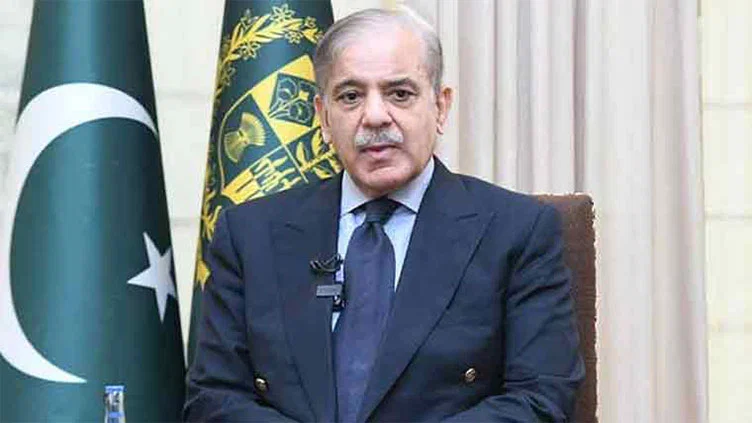
Pakistan is entering a decisive phase of its digital transformation, where high-speed connectivity and a cashless financial system are increasingly shaping the country’s economic future. Federal IT Minister Shaza Fatima Khawaja has said the government is actively advancing its Digital Pakistan vision with major progress on 5G deployment and digital infrastructure expansion.
Speaking on ongoing reforms, the minister highlighted that the launch of 3G and 4G services in 2016 laid the groundwork for nationwide internet access, which has since grown rapidly. She noted that mobile and internet usage continues to rise across urban and rural areas, reflecting a deepening reliance on digital platforms for communication, education, and commerce.
A key milestone in this transition, according to the minister, is the successful completion of the 5G spectrum bidding process. This step is expected to pave the way for next-generation internet services in Pakistan, significantly enhancing speed, reliability, and connectivity across sectors.
The government, under the leadership of Prime Minister Shehbaz Sharif, is prioritizing digital infrastructure development as a central pillar of economic modernization. Officials believe that improved connectivity will not only strengthen public service delivery but also help bridge long-standing social and economic inequalities.
Shaza Fatima emphasized that internet access has become a critical driver of development, particularly in essential sectors such as healthcare and education. Enhanced digital systems, she added, can improve efficiency, reduce delays, and expand access to services in underserved regions.
Beyond connectivity, the minister also pointed to the growing shift toward a cashless economy in Pakistan. Digital payment systems, mobile wallets, and online banking platforms are increasingly influencing everyday financial transactions, signaling a gradual but significant change in consumer behavior.
Experts suggest that the introduction of 5G technology could further accelerate this transformation by enabling innovation across industries, supporting startups, and creating new employment opportunities in the digital economy. However, challenges such as infrastructure readiness and digital literacy remain key factors in determining the pace of adoption.
As Pakistan moves closer to widespread 5G adoption and expanded digital services, policymakers see this transition as a defining moment for the country’s economic future — one that could reshape how citizens live, work, and transact in the years ahead.
About The Author