
Ahsan Iqbal calls for dams, technology, and national consensus as water scarcity reaches alarming levels
ISLAMABAD: Pakistan’s deepening water crisis has escalated into a full-scale national security challenge, Planning Minister Ahsan Iqbal warned, urging immediate action to prevent long-term economic and environmental fallout.
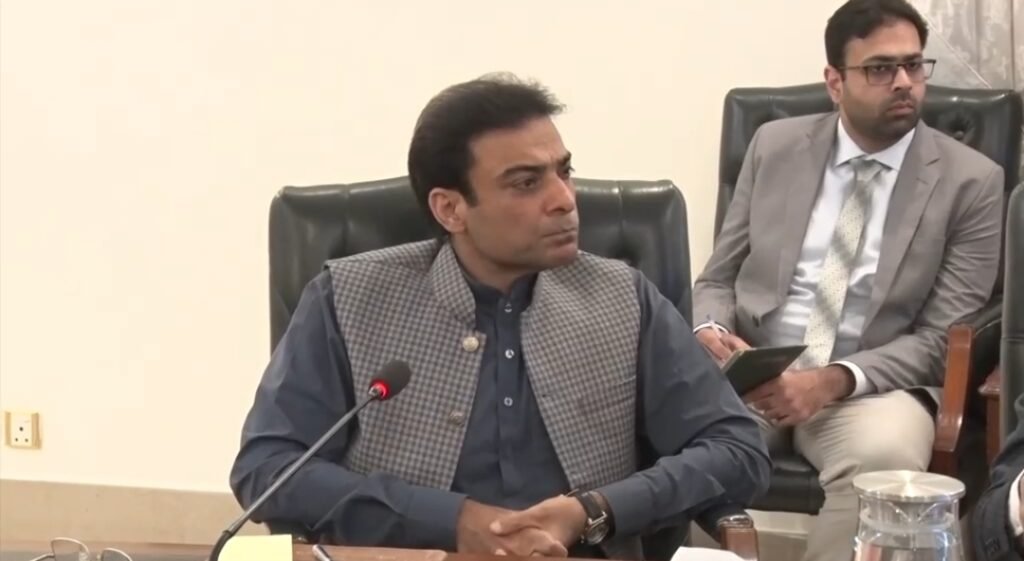
Addressing a high-level water security task force meeting, Iqbal said water scarcity can no longer be treated as a provincial or administrative issue. Instead, it must be handled as a strategic priority tied to food security, energy stability, and economic growth.
Pakistan’s per capita water availability has plunged from over 5,000 cubic meters at independence to nearly 1,000 cubic meters today—approaching the global scarcity threshold. Rapid population growth, climate change, groundwater depletion, and erratic floods and droughts have intensified the crisis.
The minister highlighted the devastating 2022 floods as proof of systemic mismanagement, where excess water caused destruction due to lack of storage capacity, even as shortages persist elsewhere.
Iqbal also warned of external threats, including attempts by India to use water as geopolitical leverage, calling it a serious risk to Pakistan’s long-term water security.
He pushed for nationwide consensus on building new reservoirs, stressing that dams are essential national assets—not political controversies. Alongside infrastructure, he emphasized water efficiency through modern irrigation, wastewater recycling, and climate-smart agriculture.
Advanced technologies such as satellite monitoring, AI-based forecasting, and real-time water data systems were identified as critical tools for future planning.
“The choice is clear,” Iqbal said. “Either remain trapped in outdated disputes or build a resilient water security system for future generations.”
About The Author