

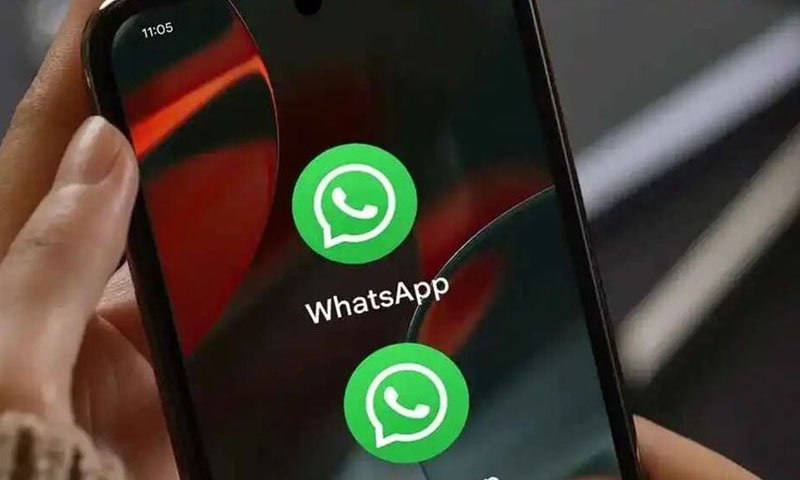

A shift toward seamless multitasking as WhatsApp moves from “Chat Heads” to Android’s native notification bubbles for a more unified messaging experience.
WhatsApp Android Bubbles may soon redefine how users handle conversations on Android devices, as the messaging giant reportedly tests support for Google’s native notification bubble system. The move signals a major design shift away from the long-standing “Chat Heads” approach popularized by Meta’s Messenger, toward a cleaner, system-level multitasking experience.
According to early beta observations shared by developers tracking WhatsApp’s test builds, the feature is currently in development and not yet available to the public. However, its appearance in experimental versions suggests that WhatsApp is actively aligning itself with Android’s evolving notification architecture.
For years, floating chat heads have been a recognizable but divisive feature. While they offered quick access to conversations, they also created visual clutter and inconsistent behavior across different Android devices. WhatsApp’s adoption of Android’s built-in bubbles indicates an effort to standardize that experience and reduce fragmentation across the ecosystem.
Unlike Messenger’s custom overlay system, Android’s native bubble feature is designed to be consistent across apps that support it. Conversations can appear as floating, resizable icons that remain on top of other applications, allowing users to respond without fully switching screens. This creates a more fluid interaction model, especially for users juggling multiple tasks.
If fully implemented, WhatsApp Android Bubbles would allow users to continue chatting while browsing the web, watching videos, or working within other apps. Instead of interrupting workflow, conversations would remain accessible in a compact, movable interface that expands only when needed.
Industry observers suggest that this shift is part of a broader push by Google to make notification bubbles a core Android feature rather than an optional add-on. WhatsApp’s integration could accelerate wider adoption, especially given the app’s massive global user base.
Although WhatsApp has not officially announced a release date, the presence of this feature in beta testing often indicates that public rollout could follow after further refinement and performance optimization. Developers are likely focusing on stability, battery efficiency, and compatibility across Android versions before a wider launch.
If successful, the update could mark a turning point in mobile messaging design—moving away from intrusive overlays toward a more subtle, integrated communication layer that adapts to how users actually multitask today.
The direction is clear: WhatsApp appears to be prioritizing simplicity, consistency, and system-native design, potentially reshaping how billions of Android users interact with their chats.
About The Author