

G7 nations call for renewed nuclear negotiations with Iran, secure commercial shipping through the Strait of Hormuz and a mutual ceasefire between Russia and Ukraine.
The Group of Seven (G7) has warned that Iran will continue to face economic and political pressure if diplomatic efforts fail to resolve international concerns over its nuclear programme, while urging Tehran to resume full cooperation with the International Atomic Energy Agency (IAEA).
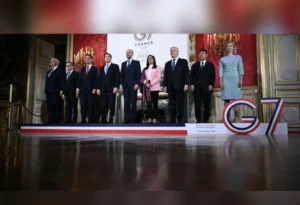
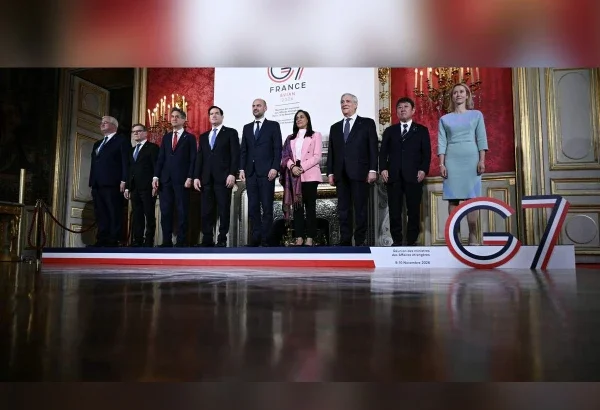
The warning was outlined in a joint declaration issued on November 11, 2026, following a meeting of G7 foreign ministers in Paris on November 9-10 under France’s presidency of the group. The declaration called for renewed diplomatic engagement to achieve a lasting settlement that addresses concerns over Iran’s nuclear activities and contributes to regional security.
The G7 reiterated that Iran must never be allowed to develop or acquire nuclear weapons. It also urged Tehran to comply with its international obligations and restore transparency over its nuclear programme by resuming full cooperation with the IAEA.
The ministers said that without a diplomatic solution, G7 members would continue coordinating efforts to economically and politically constrain Iran’s ability to create instability in the region and beyond. They also reaffirmed their commitment to implementing United Nations Security Council sanctions and restrictive measures reinstated in September 2025 through the snapback mechanism.
G7 calls for secure shipping through Strait of Hormuz
Maritime security in the Strait of Hormuz was another major focus of the declaration. The G7 condemned Iran’s attacks against neighbouring countries and the disruption of international trade and energy security caused by restrictions on transit through the strategic waterway.
The group called on Iran to stop attacks against civilian vessels and reaffirmed its commitment to safe and free maritime passage. It also opposed any tolls, fees or other restrictions imposed on international shipping through the strait.
The ministers highlighted the importance of defensive operations by U.S. Central Command to clear mines and escort civilian vessels. They also welcomed a multinational, independent and defensive initiative led by France and the United Kingdom, which they said could help restore maritime traffic and verify the removal of mines.
G7 urges Russia and Ukraine to agree to ceasefire
Beyond tensions involving Iran, the declaration addressed the ongoing Russia-Ukraine war, reiterating the G7’s support for Ukraine’s sovereignty, independence and territorial integrity.
The foreign ministers called for a full, comprehensive and reciprocal ceasefire, supporting ongoing U.S.-led efforts to facilitate direct negotiations between the parties.
They also urged both sides to halt attacks on energy infrastructure and targets in the Black Sea, saying a mutual suspension of such attacks would help protect civilians, reduce disruptions to essential supplies and improve stability in global markets.
The G7 further stressed that European countries must be included in negotiations concerning the future security arrangements of Europe.
The declaration reflects the group’s effort to address several international security challenges through coordinated diplomacy, while maintaining economic and political pressure where disputes remain unresolved.
With Iran’s nuclear programme, maritime security in the Gulf and the Russia-Ukraine war featuring prominently in the discussions, the G7 has reiterated its position that diplomatic negotiations remain important, alongside measures to protect international security, trade and energy supplies.
About The Author