

US-Iran standoff deepens as Washington insists nuclear issue must be addressed before any ceasefire deal
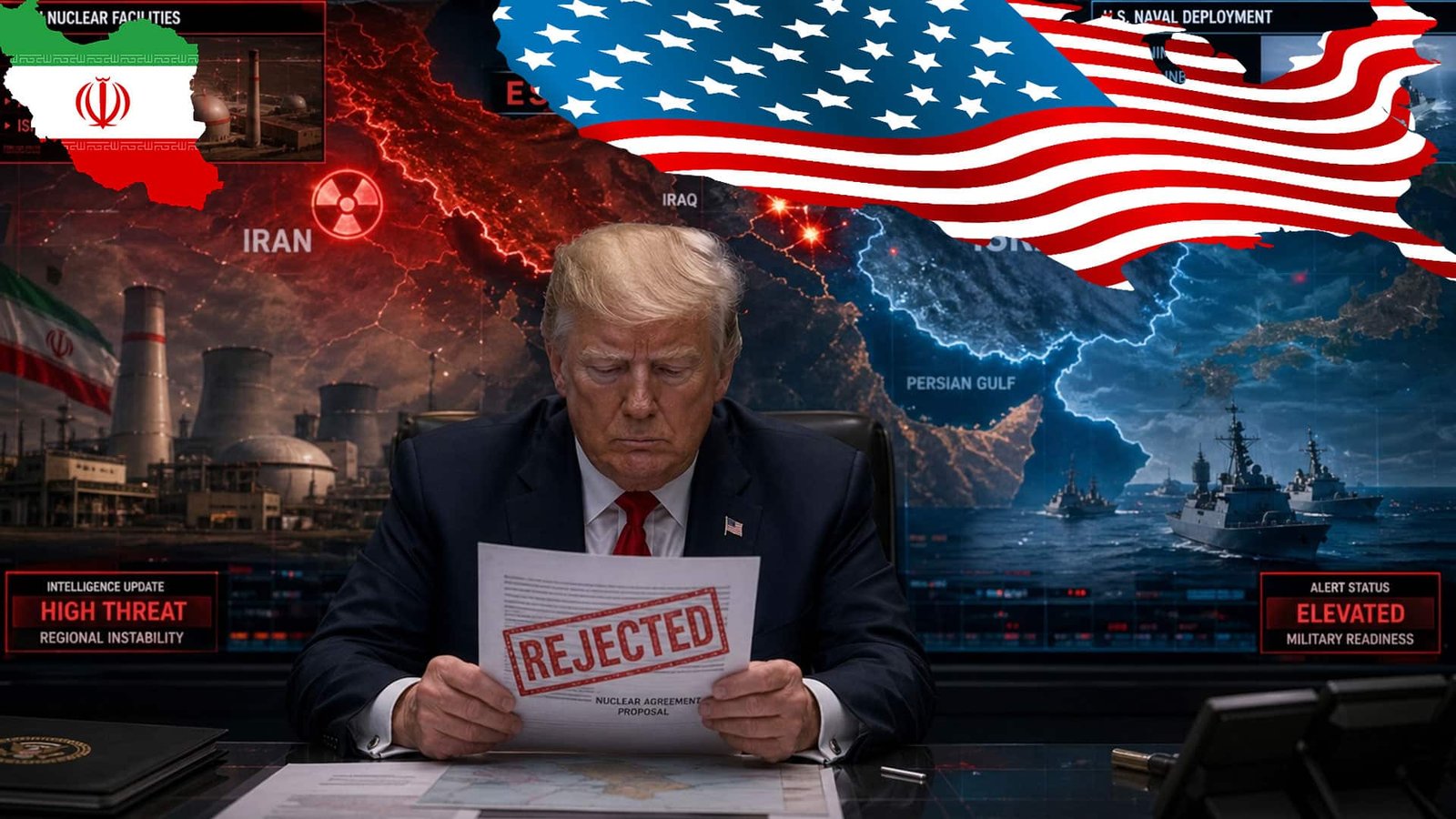
Washington: US President Donald Trump has rejected Iran’s latest ceasefire proposal, expressing strong dissatisfaction over Tehran’s refusal to immediately address its nuclear program, according to a senior US official. The development marks a significant setback in efforts to end the two-month-long conflict between Iran and Israel.
The unnamed official told a British news agency that Trump, during a high-level meeting with his national security team on Monday, reacted sharply to Iran’s position that negotiations on its nuclear program should be postponed until after the war concludes. The stance, the official said, was viewed in Washington as unacceptable and strategically risky.
Iran’s proposal outlined a phased approach, suggesting that talks on its nuclear activities would only begin once hostilities between Iran and Israel cease and maritime tensions in the الخليج are resolved. However, the Trump administration has firmly rejected this sequencing, insisting that any agreement must prioritize immediate restrictions on Iran’s nuclear capabilities.
White House spokesperson Olivia Wells reiterated the administration’s stance, emphasizing that the United States is clear about its “red lines” and prefers substantive negotiations over public messaging through media channels. She stressed that addressing nuclear risks upfront is non-negotiable for Washington.
The ongoing war, which erupted in February 2026 following direct military confrontation between Iran and Israel, has already resulted in thousands of casualties. The conflict has also severely disrupted global energy supply chains, contributing to a surge in oil prices and triggering inflationary pressures worldwide.
The nuclear dispute between Iran and the United States is deeply rooted, spanning decades of geopolitical tension. A landmark agreement, the Joint Comprehensive Plan of Action, was reached in 2015 under former US President Barack Obama. The deal aimed to curb Iran’s nuclear ambitions in exchange for sanctions relief.
However, Trump withdrew from the agreement during his first term, labeling it the “worst deal ever,” and reinstated a “maximum pressure” campaign against Tehran. Since then, diplomatic efforts have repeatedly faltered, with both sides maintaining hardline positions.
In the current conflict, Iran has once again leveraged its nuclear assets as a strategic deterrent following its direct confrontation with Israel. Washington views this as a growing threat to national and regional security, further complicating any path toward de-escalation.
With both sides unwilling to compromise on core demands, prospects for a ceasefire remain uncertain. Analysts warn that unless a breakthrough is achieved soon, the conflict could intensify further, with far-reaching consequences for regional stability and the global economy.
About The Author