
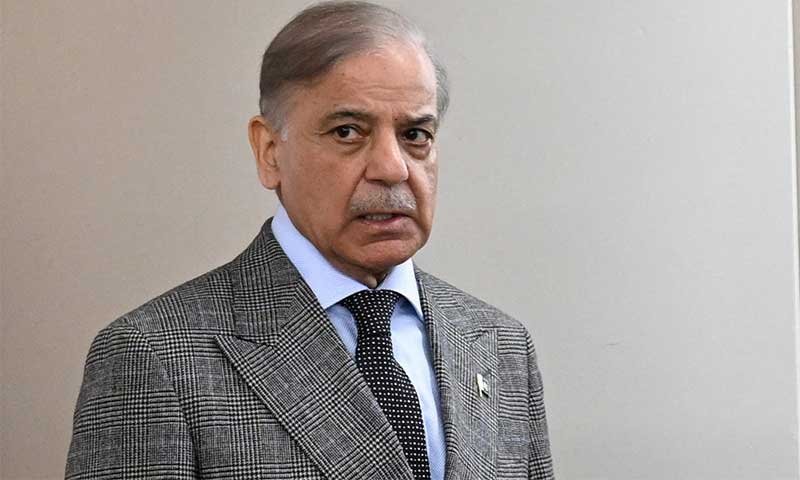

High-level meeting by PM Shehbaz evaluates diplomatic strategy and regional stability amid uncertain Iran-US truce
ISLAMABAD: Prime Minister Shehbaz Sharif on Wednesday chaired a high-level meeting to review the evolving regional situation following the extension of the ceasefire between Iran and the United States, according to official sources.
The meeting focused on assessing developments after the truce extension and evaluating Pakistan’s diplomatic outreach aimed at easing tensions in the region. Participants also discussed efforts to facilitate a second round of negotiations between Washington and Tehran, expected to take place in Islamabad.
Officials emphasized the importance of sustained diplomatic engagement to maintain regional stability and prevent further escalation. Pakistan reiterated its commitment to playing a constructive role in promoting dialogue between the two sides.
Sources said Pakistan welcomed the announcement by US President Donald Trump regarding the open-ended extension of the ceasefire, describing it as a positive step toward de-escalation. The move is seen as creating space for continued diplomatic efforts despite lingering mistrust between the parties.
The United States has indicated that the extension is intended to allow more time for negotiations, though uncertainty remains as neither Iran nor US ally Israel has formally committed to sustaining the truce.
Despite the ceasefire, tensions persist. Washington continues its naval blockade on Iranian trade routes, a move strongly criticized by Tehran, which has questioned the credibility of the ceasefire extension and expressed doubts about US intentions.
The conflict, which began on February 28 with US and Israeli airstrikes on Iranian targets, rapidly escalated across the region. It drew in multiple actors, including Gulf states hosting US military bases and groups such as Hezbollah in Lebanon. The war has resulted in more than 5,000 civilian deaths and displaced hundreds of thousands, while also disrupting global markets.
Strategic concerns remain high around the Strait of Hormuz, a critical oil shipping corridor. Instability in the area has contributed to fluctuations in global energy prices and heightened fears of wider economic repercussions.
While the ceasefire extension offers temporary relief, prospects for a lasting resolution remain uncertain. Key disagreements, particularly over Iran’s nuclear programme, continue to pose significant challenges. Diplomatic sources note that logistical and political hurdles could complicate efforts to convene a second round of talks in Islamabad.
About The Author