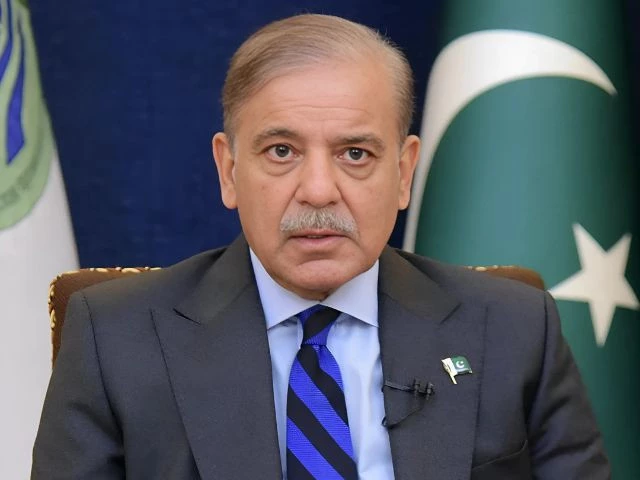



PM Shehbaz Sharif honors the victims of the 2005 earthquake and highlights stronger disaster preparedness, early warning systems and coordinated response.
Prime Minister Shehbaz Sharif on Thursday paid tribute to the victims of the devastating Oct. 8, 2005, earthquake as Pakistan observed the 21st National Resilience Day, reaffirming the government’s commitment to strengthening the country’s preparedness for natural disasters.
In his message on National Resilience Day, Shehbaz said the nation continued to remember with grief those who lost their lives in the catastrophic earthquake and paid tribute to the collective courage, compassion and sacrifice demonstrated by Pakistanis during the tragedy.
He said Pakistan remained among the countries most affected by the impacts of climate change, with floods, earthquakes, landslides, epidemics and smog posing recurring challenges and placing a significant burden on the country’s limited economic resources.
Despite repeatedly facing natural disasters, the prime minister said, the Pakistani nation had demonstrated resilience each time and remained committed to making advance preparations more effective.
Shehbaz said coordinated cooperation was being ensured among provincial governments, relevant government institutions, the private sector and civil society to strengthen the country’s ability to respond to disasters.
He also praised the compassionate response of Pakistan’s people during natural disasters, describing their courage and resilience as an important part of the nation’s character.
The prime minister commended the tireless efforts of all institutions involved in disaster management at the national level, including the armed forces as well as relief and rescue organizations.
He said the government, through the National Disaster Management Authority (NDMA), was taking steps to integrate modern technologies into institutional disaster-response mechanisms.
These measures include developing more effective early warning systems supported by reliable, data-based analytical systems, according to the prime minister.
Shehbaz said the use of climate information, satellite technology, geographic data and scientifically based risk assessments was strengthening Pakistan’s ability to identify potential hazards in advance and reduce the impact of disasters.
Author