
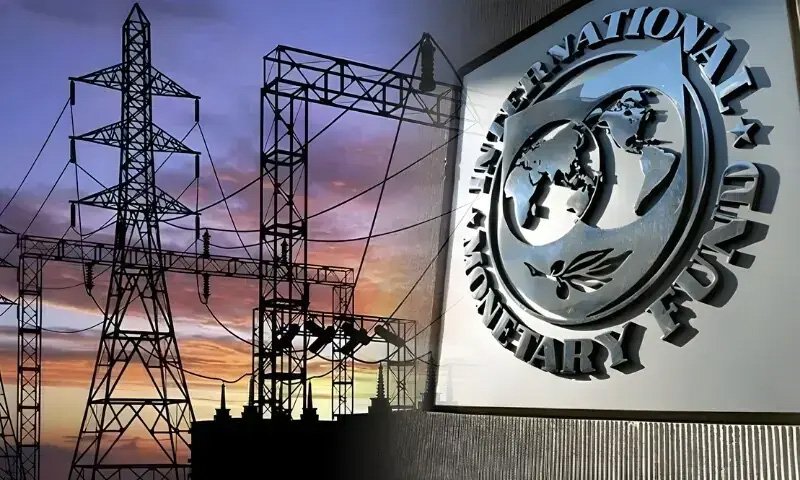

IMF backs subsidy plan for FY2026-27 while mandating tariff adjustments amid rising global energy pressures.
The International Monetary Fund has approved Pakistan’s plan to allocate Rs 830 billion in electricity subsidies for the fiscal year 2026-27, offering temporary relief to consumers while setting the stage for higher tariffs in early 2027.
Officials said nearly Rs 300 billion of the subsidy will offset losses from electricity theft and poor bill recovery, long-standing issues in Pakistan’s power sector. The remaining funds will cover tariff differentials, agricultural tube well support, legacy dues from former FATA regions, and partial repayment of circular debt.
However, the IMF has made it clear that electricity prices must be adjusted in January 2027 under the annual tariff review mechanism. The adjustment will reflect global energy trends, including volatility in Middle Eastern markets.
Pakistan assured the IMF that future pricing reforms will ensure cost recovery while distributing the burden across consumer categories. Still, the approved subsidy is about 16 percent lower than Islamabad’s initial request, indicating tighter fiscal space.
Despite repeated tariff hikes in recent years, experts warn that circular debt remains a persistent challenge, raising doubts about whether the new measures will deliver lasting financial stability.
In a notable contrast, the IMF has refused to allow subsidies on petrol and diesel, even as international fuel prices rise, a move analysts say could increase inflationary pressure.
The government has also pledged to clear outstanding payments to independent power producers by June 2026 and resolve its dispute with K-Electric by December 2026.
About The Author