

Failed 21-hour negotiations in Islamabad push Washington toward tougher options, including a potential naval blockade targeting Iran’s oil exports.
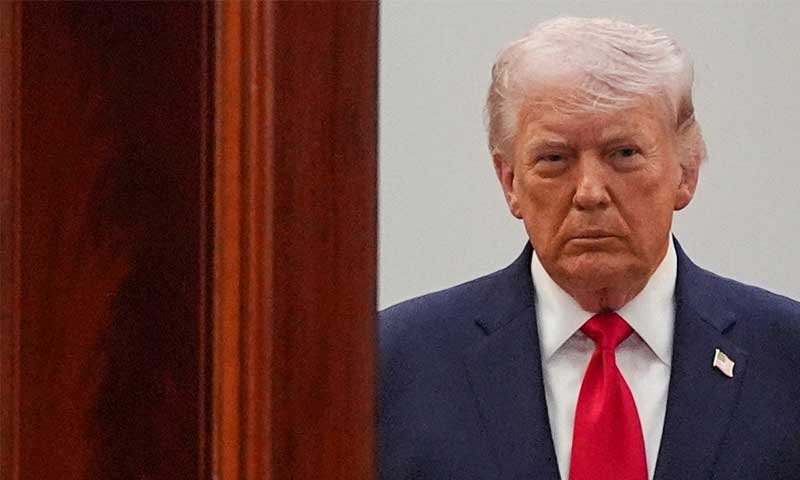
ISLAMABAD: Donald Trump has signaled a possible escalation against Iran by hinting at a naval blockade of the strategically vital Strait of Hormuz, following the collapse of high-level talks between Washington and Tehran.
The move comes after negotiations held in Islamabad ended without an agreement despite lasting nearly 21 hours. U.S. officials described their proposal as a “final and best offer,” but said Iran failed to meet key demands, particularly regarding its nuclear program.
Trump amplified pressure by sharing an article outlining a strategy to restrict Iran’s oil exports through a maritime blockade. The report suggests that limiting shipping through the narrow waterway could significantly weaken Tehran’s economy by cutting off crude supplies to major buyers, including China and India.
The approach mirrors tactics previously employed by Washington against Venezuela during Trump’s earlier tenure, where restrictions on oil shipments contributed to economic strain on the government of Nicolás Maduro.
Analysts say the U.S. has the capability to enforce such a move, citing increased naval deployments in the Persian Gulf, including the presence of aircraft carriers like the USS Gerald R. Ford and the USS Abraham Lincoln.
The negotiations were partly led by U.S. Vice President JD Vance, who said Washington engaged in good faith but emphasized that Iran must halt any development of nuclear weapons.
With a temporary ceasefire nearing expiration, U.S. officials are now considering multiple options, including military action and intensified economic measures such as a naval blockade, to increase pressure on Tehran.
About The Author