

Scheduled outages aim to control rising electricity costs and manage fuel shortages during peak demand hours
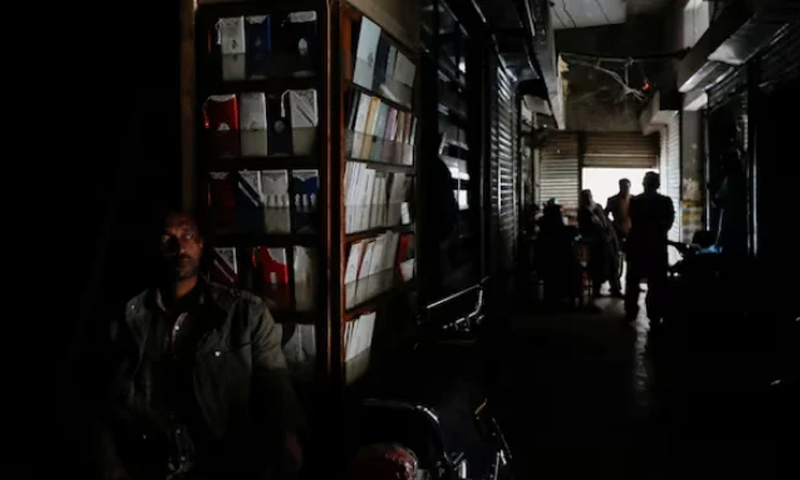
Pakistan has reintroduced scheduled loadshedding as part of a new strategy to manage a growing energy crisis driven by fuel shortages and rising generation costs, officials confirmed.
According to the Power Division, electricity outages of approximately 2.25 hours will be implemented daily between 5 PM and 1 AM. The move, described as a “Peak Relief Strategy,” is intended to reduce reliance on expensive fuel sources and prevent a sharp increase in electricity tariffs.
The decision comes after disruptions in liquefied natural gas imports, following a force majeure declaration by Qatar, Pakistan’s primary supplier, due to regional conflict impacting gas infrastructure. This has significantly reduced fuel availability for power generation.
Electricity demand has surged to around 19,000 megawatts, creating a shortfall of nearly 4,000 MW. Punjab and northern regions are expected to face the most impact. Officials also cited lower hydropower output and transmission constraints in delivering cheaper electricity from Sindh as contributing factors.
Authorities stated that meeting full demand would require costly fuel usage, potentially increasing tariffs by Rs5 to Rs6 per unit. The current plan aims to limit the increase to about Rs1.5 per unit.
The government has assured that outage schedules will be shared in advance and unplanned loadshedding will not occur. Karachi and Hyderabad will remain exempt due to access to relatively cheaper local energy sources.
Government say efforts are ongoing to stabilize supply while minimizing financial pressure on consumers.
About The Author