
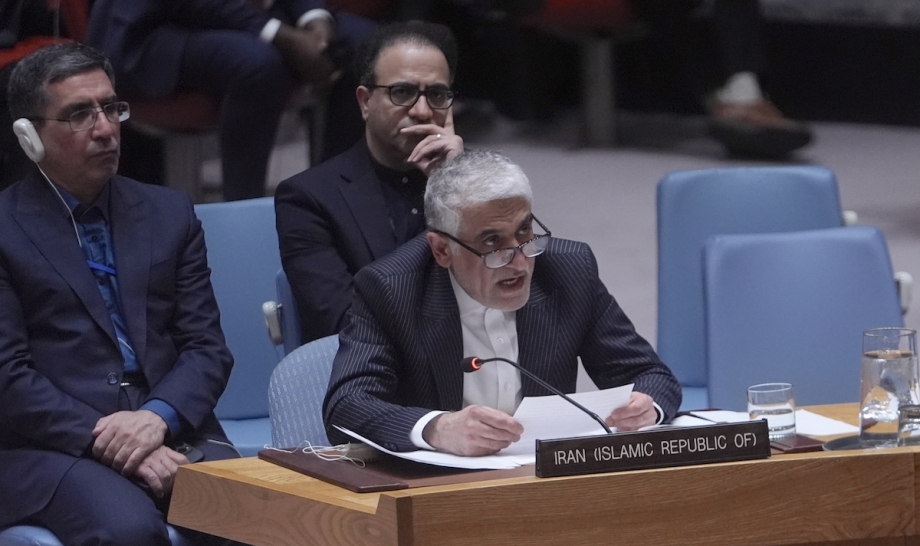

Iran maintains firm stance that negotiations with the United States depend on lifting the naval blockade.
TEHRAN: Iran has made it clear that it will not engage in any formal negotiations with the United States nor send a delegation for talks until the naval blockade imposed under Donald Trump is lifted, according to a report by Tasnim News Agency.
The report highlights Tehran’s firm position amid ongoing diplomatic tensions, emphasizing that the current maritime restrictions remain the primary obstacle preventing any progress toward renewed dialogue. Iranian officials have conveyed that while indirect communication channels may remain open, these cannot evolve into structured negotiations unless there is a significant shift in US policy.
According to officials cited in the report, Iran views the naval blockade as a form of economic and strategic pressure that undermines the principles of fair negotiation. They argue that entering talks under such conditions would weaken Iran’s position and compromise its sovereignty. As a result, Tehran has adopted a clear and consistent stance that no official delegation will be dispatched while these restrictions remain in place.
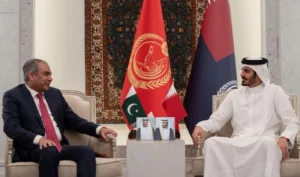
The situation comes at a time when diplomatic efforts are intensifying across the region, with multiple stakeholders attempting to bring both sides back to the negotiating table. Pakistan, in particular, has been actively engaged in facilitating communication between Washington and Tehran, positioning itself as a potential mediator in easing tensions. However, Iran’s latest position introduces additional complexity to these efforts.
The deadlock reflects deeper strategic disagreements between the two countries. While the United States has been advocating for renewed negotiations to address a range of issues, including security concerns and regional stability, Iran insists that trust cannot be rebuilt without first removing what it describes as coercive measures.
The report further notes that Iranian officials remain cautious about the broader geopolitical implications of the blockade, particularly in light of heightened tensions in critical maritime regions. Concerns over trade routes, energy supplies, and regional security have added urgency to calls for de-escalation, yet both sides continue to maintain firm positions.
Despite the stalemate, diplomatic observers believe that backchannel communications could still play a role in preventing further escalation. However, without a breakthrough on the issue of the naval blockade, the prospects for immediate negotiations appear limited.
The development underscores the fragile nature of current diplomatic efforts and highlights the challenges facing international mediators seeking to bridge the gap between the two sides. For now, Iran’s position remains unchanged, signaling that any meaningful progress will depend on a shift in conditions that Tehran considers essential for fair and balanced negotiations.
About The Author