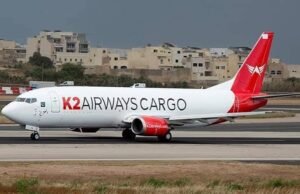

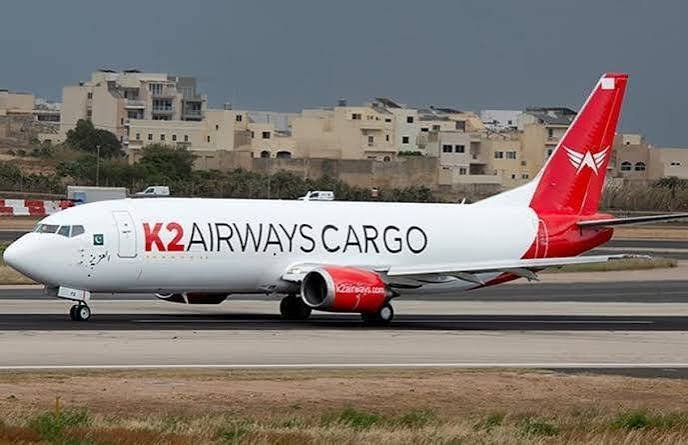

Pakistan is exploring advanced underwater technology and international expertise to locate the black box and wreckage of a cargo aircraft that crashed off Ormara on July 7.
Pakistan has intensified efforts to locate the black box and wreckage of a K2 Airways cargo aircraft that crashed into the sea near Ormara on July 7, with authorities exploring international assistance and advanced deep-sea technology to advance the search operation.
Nearly four months after the crash, the recovery mission is entering a new phase because the aircraft is believed to be lying at a depth of approximately 3,000 metres. The extreme depth presents significant technical challenges and may require specialised equipment, experienced salvage teams and support from international experts.
Government officials have increased contacts with foreign specialists and international companies to assess suitable methods for locating the wreckage on the seabed. The black box and other recovered material are considered crucial to establishing the circumstances surrounding the accident and reconstructing the aircraft’s final moments.
According to sources, the transmitter beacon attached to the black box stopped emitting signals about a month after the crash, complicating efforts to locate the device. The loss of the signal has increased the importance of alternative underwater search methods.
The Pakistan Navy previously surveyed the suspected crash site using specialised equipment, including side-scan sonar. Further progress is expected to depend on more advanced underwater systems and expertise in deep-sea search and recovery.
One option under consideration is a multibeam echo sounder, which can produce detailed three-dimensional maps of the seabed. Such mapping could help search teams examine underwater terrain, identify obstacles and narrow the areas requiring closer inspection.
Autonomous underwater vehicles could also be deployed to scan the seabed using sonar, cameras and other sensors. Remotely operated vehicles, controlled from a support vessel, may allow teams to inspect suspected wreckage through high-definition cameras, powerful lights and robotic equipment.
Investigators could additionally consider magnetometers to detect magnetic variations associated with large metallic objects. A towed pinger locator may help search for acoustic signals from the black box, although its usefulness could be limited if the transmitter is no longer functioning.
The depth of the suspected wreckage could also require specialised salvage vessels equipped with heavy-duty winches, cranes and remotely operated systems. Combining sonar data, magnetic readings and underwater images could help confirm the wreckage’s location before recovery work begins.
Locating the black box is a major priority because its flight data recorder and cockpit voice recorder could provide important evidence about the aircraft’s final moments, cockpit activity and possible causes of the crash.
Sources said the company that owns the cargo aircraft would bear 50% of the search costs. Raja Tariq, who reportedly holds up to 60% of the company’s shares, has been informed of the decision.
About The Author