


Iran’s currency crisis accelerates as geopolitical conflict, sanctions, and export shutdown push the rial to its weakest level in history, raising fears of economic instability and public unrest.
Iran’s economy is under severe strain as the national currency, the rial, has plunged to an unprecedented level of 1.8 million against the US dollar, marking one of the deepest financial crises in the country’s modern history.
The dramatic fall has unfolded within a matter of days, intensifying concerns among economists who warn that the rapid depreciation will further fuel an already uncontrollable inflation crisis and erode household purchasing power across the country.
Analysts link the collapse to escalating geopolitical tensions, particularly the ongoing direct confrontation involving the United States and Israel over the past six weeks, which has disrupted financial flows and triggered panic-driven demand for foreign currency in domestic markets.
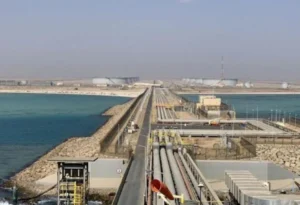
Adding to the pressure, reports indicate that maritime restrictions and disruptions at Iranian ports have severely affected trade routes, choking off critical oil shipments and limiting Iran’s access to international markets. In some cases, exports have reportedly been delayed or seized, further restricting dollar inflows.
The impact has been compounded by damage to industrial infrastructure, particularly in steel and petrochemical sectors, which traditionally serve as major sources of foreign exchange earnings. With exports effectively stalled, Iran’s ability to stabilize its currency through trade revenue has weakened significantly.
Economic indicators from the Central Bank of Iran show inflation reaching 65.8% between March 20 and April 20, 2026, highlighting a sharp decline in consumer purchasing power and worsening living conditions for ordinary citizens.
Experts also point to sustained military expenditure pressures over the past six weeks, which have reportedly forced increased monetary expansion. This has further weakened the rial, as liquidity injection without corresponding economic output typically accelerates currency depreciation.
With oil, steel, and petrochemicals largely incapacitated as export pillars, Iran now faces a critical shortage of foreign currency reserves. This shortage is limiting its ability to import essential goods, including food and medicine, pushing prices beyond the reach of average citizens.
At the current exchange rate, imported goods are expected to become increasingly unaffordable, raising fears of broader social and political instability. Historical patterns suggest that such rapid currency devaluations in Iran have previously triggered widespread protests and political pressure.
Economists warn that unless port operations resume and export channels are restored, Iran’s central bank may have limited tools left to intervene in the currency market, deepening uncertainty over the country’s immediate economic future.
About The Author