
Washington says “Project Freedom” remains a limited defensive mission, but new clashes in the Gulf are testing the durability of the US-Iran ceasefire and raising fresh concerns over global energy supplies.
The fragile calm in the Middle East is under renewed pressure after the United States confirmed that “Project Freedom” remains active even as fresh exchanges of fire rattled the waters around the strategic Strait of Hormuz.
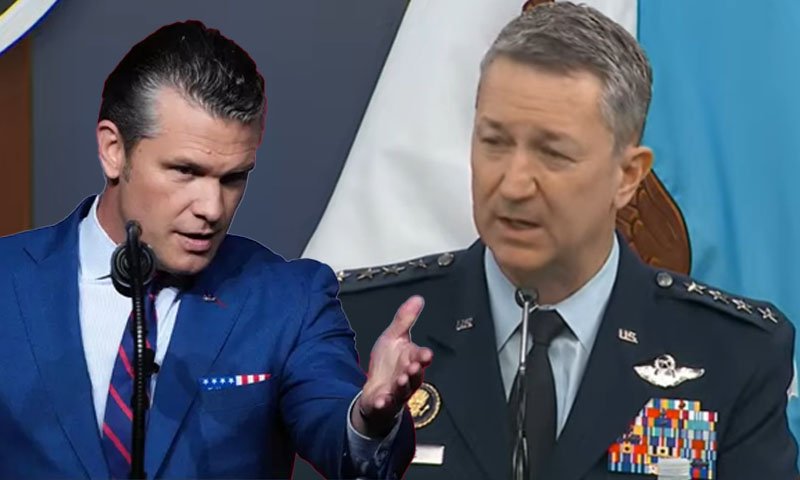
Speaking in Washington on Tuesday, Pete Hegseth said the American military operation remains defensive and limited in scope. He insisted that the ceasefire between the United States and Iran has not collapsed despite recent hostilities in the Gulf.
“The ceasefire is not over,” Hegseth told reporters, stressing that US forces had acted to shield commercial shipping moving through one of the world’s most sensitive maritime corridors.
The remarks came as the region witnessed another sharp escalation. US and Iranian forces exchanged missile and drone attacks on Tuesday, intensifying a confrontation centered on control of the narrow waterway that links major oil-producing states to global markets.
The latest tensions follow the launch of “Project Freedom” by Donald Trump on Monday. Trump described the initiative as an urgent attempt to secure the shipping lane after maritime traffic through the strait was severely disrupted following the outbreak of conflict on Feb. 28.
According to Hegseth, Washington does not intend to widen the conflict. He said American troops would not enter Iranian territory and described the operation as temporary, narrowly focused and aimed solely at protecting civilian commercial vessels from what he called Iranian aggression.
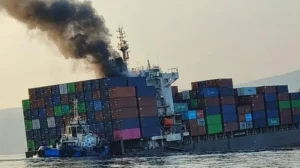
Even so, developments on the ground suggested the situation remains volatile. Explosions and fires were reported aboard several merchant ships in the Persian Gulf. The United States said it destroyed six small Iranian military boats during the latest confrontation.
In a separate incident, an oil facility in the United Arab Emirates caught fire following reported Iranian missile strikes, adding to fears that the crisis could quickly spill over into regional energy infrastructure.
Washington’s move marks the first apparent US military effort to reopen the shipping corridor since a ceasefire was announced last month. Yet the immediate impact appears limited. Major international shipping companies remain reluctant to resume normal transit through the strait as long as the risk of renewed attacks persists.
The stakes extend far beyond the battlefield. The Strait of Hormuz handles a substantial share of the world’s oil shipments, and any prolonged disruption could deepen volatility in energy markets, unsettle regional diplomacy and heighten fears of a broader military confrontation across the Middle East.
About The Author