
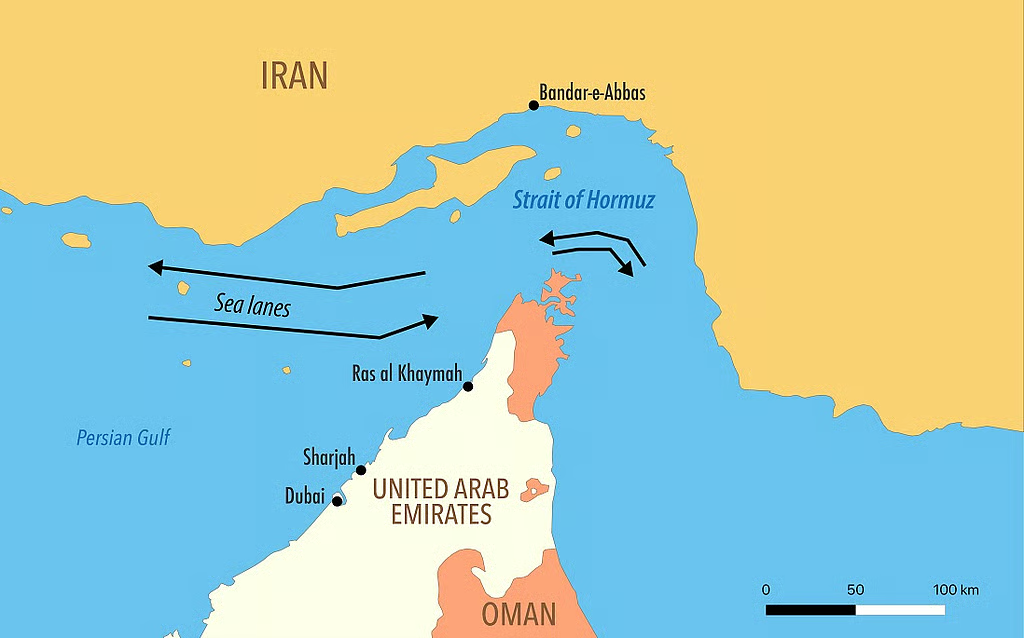

The worsening crisis around the Strait of Hormuz has triggered fresh alarm across global energy markets, with experts warning that nearly 100 million barrels of oil per week could disappear from international supply chains if the disruption continues.
According to emerging maritime data, the number of commercial vessels passing through the strategically vital waterway has sharply dropped from around 70 ships to just 2 to 5 vessels. The dramatic decline has intensified concerns among oil traders, governments, and shipping companies already struggling with mounting geopolitical tensions in the Gulf region.
The Strait of Hormuz is considered one of the world’s most critical energy chokepoints, handling a major portion of global crude oil exports, particularly from Gulf nations including Saudi Arabia, Iraq, the UAE, Kuwait, and Iran. Any prolonged blockage or security threat in the region directly impacts global fuel prices and supply stability.
Analysts warn that if the disruption continues for several more weeks, restoring normal shipping operations may not be possible until next year. The slowdown has already started affecting tanker schedules, insurance costs, and international freight operations, raising fears of another major energy shock similar to previous global oil crises.
The crisis is also increasing pressure on major economies heavily dependent on Gulf oil imports, especially in Asia and Europe. Rising uncertainty could push crude oil prices sharply higher, fueling inflation and increasing transportation and manufacturing costs worldwide.
Industry observers say the current situation has evolved into a serious threat to global energy transportation, with shipping companies reassessing routes and governments monitoring emergency reserves to avoid severe supply shortages.
As tensions continue to rise, international markets remain on edge, closely watching developments in the Gulf that could determine the future direction of global energy prices and economic stability.
About The Author