
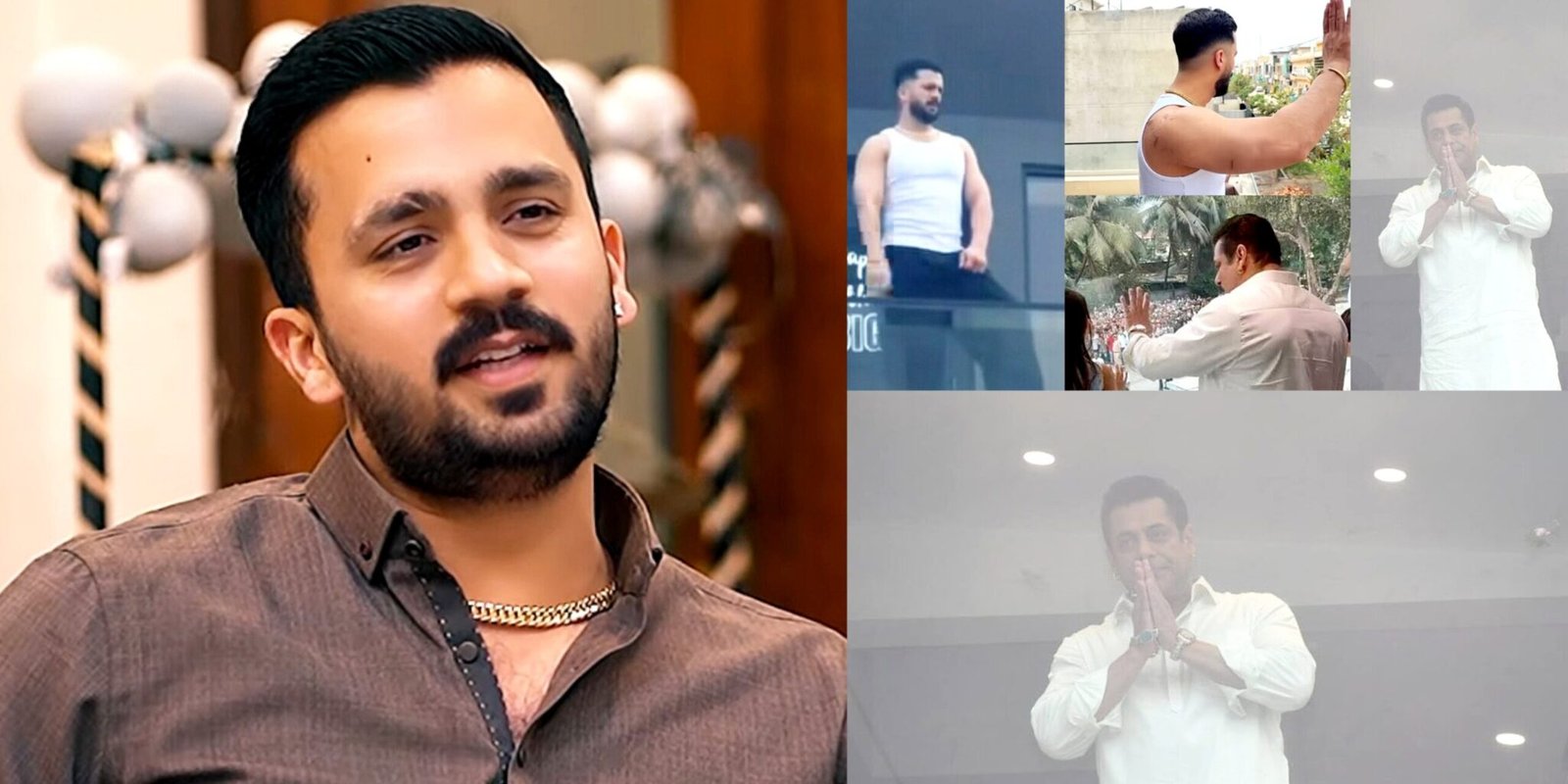

In a candid podcast appearance, Pakistani influencer Rajab Butt clarified viral comparisons with Bollywood star Salman Khan, dismissing them as exaggerated social media chatter.
Pakistani digital influencer Rajab Butt has once again found himself at the center of online discussion after addressing long-standing comparisons with Bollywood superstar Salman Khan, a debate that has repeatedly surfaced across social media platforms.
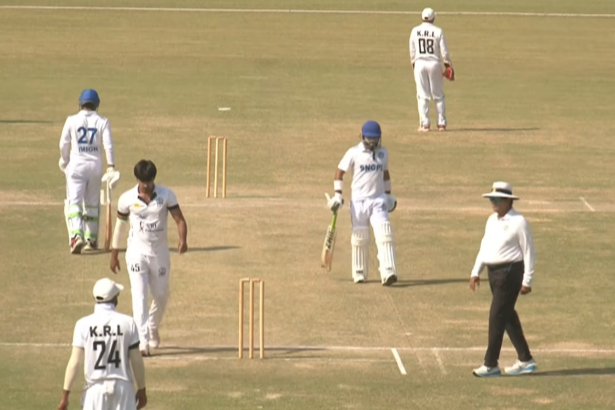
The remarks came during a recent interview with podcaster and digital creator Nadir Ali for the Influencers’ Cricket League, where Rajab spoke openly about his public image, online trolling, and the viral moments that often surround him.
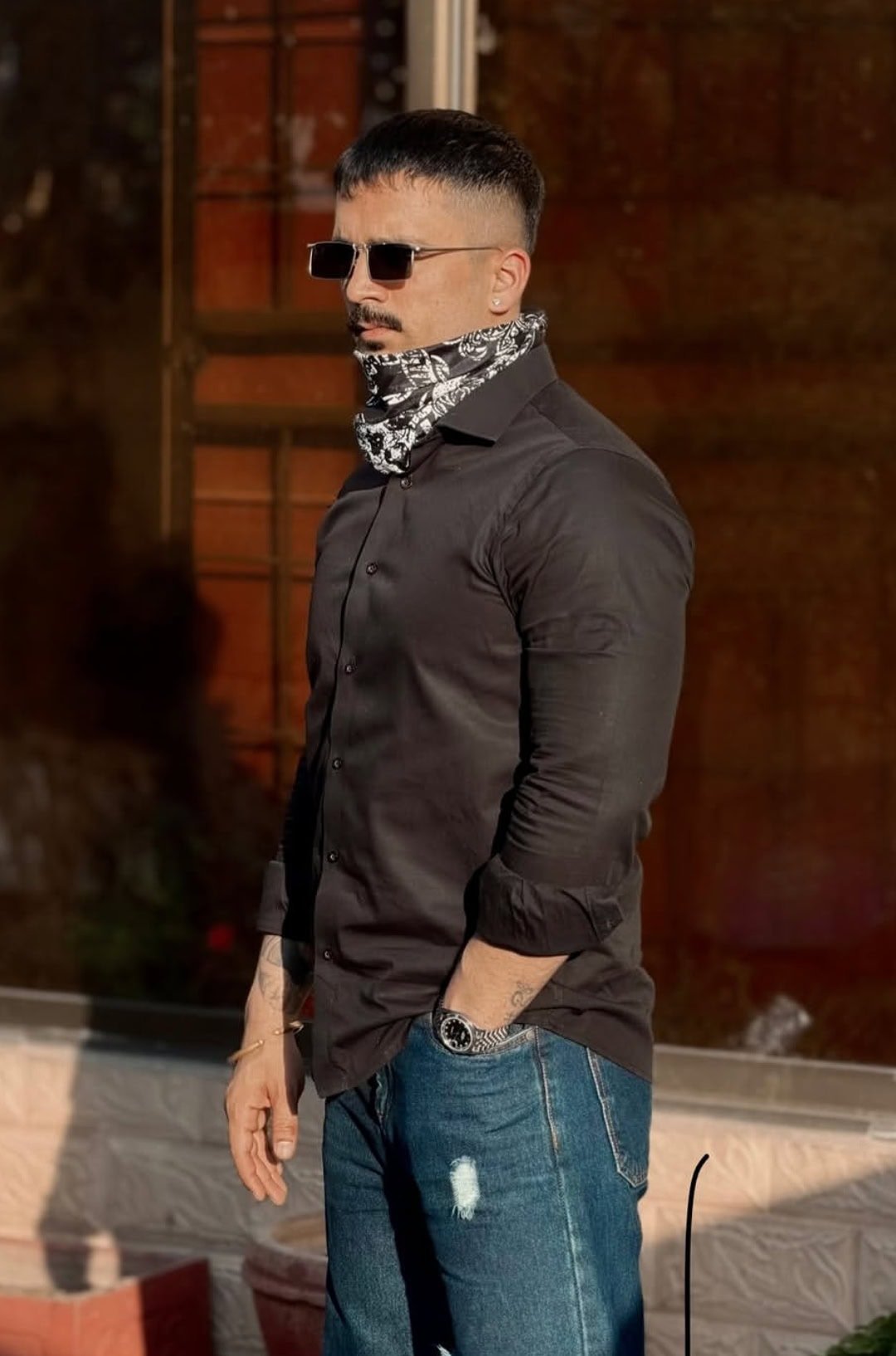
Responding to the comparison, Rajab Butt made it clear that he does not see any parallel between himself and the Indian film icon. He stated that while he once admired Salman Khan during his school days and even imitated aspects of his style, including fitness inspiration and personal grooming choices, the comparison ends there.
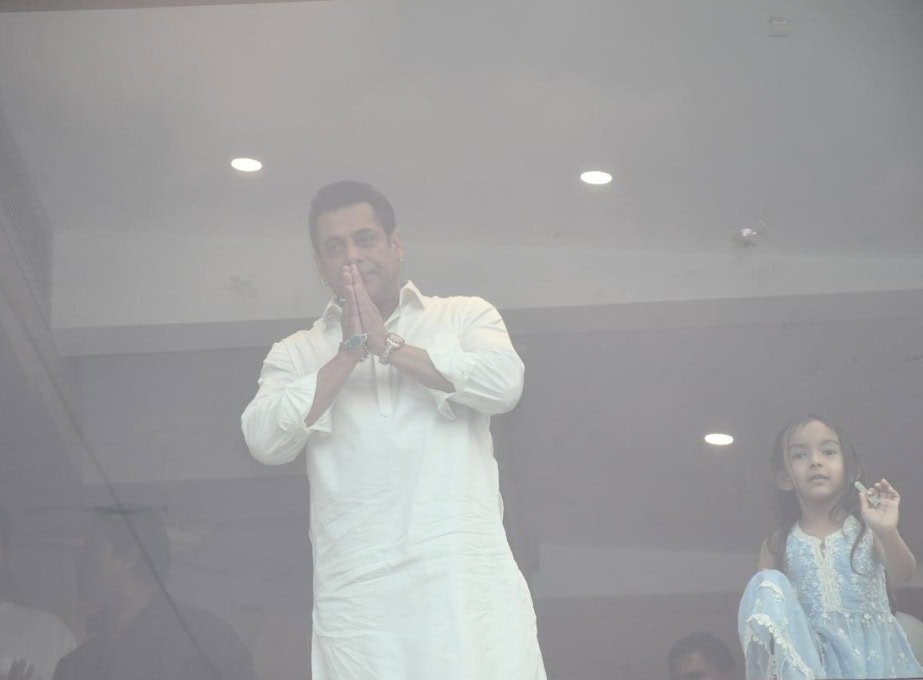
He further recalled a past public moment that sparked controversy online, explaining that a simple gesture toward fans was exaggerated on social media, leading people to claim he was trying to copy Salman Khan’s iconic public appearances. According to him, the reaction was blown out of proportion and fueled unnecessary trolling.
Rajab emphasized that Salman Khan is a global star with decades of work, legacy, and a distinct identity that cannot be replicated or compared. He dismissed the idea of any similarity, calling such comparisons unrealistic and driven more by online chatter than reality.
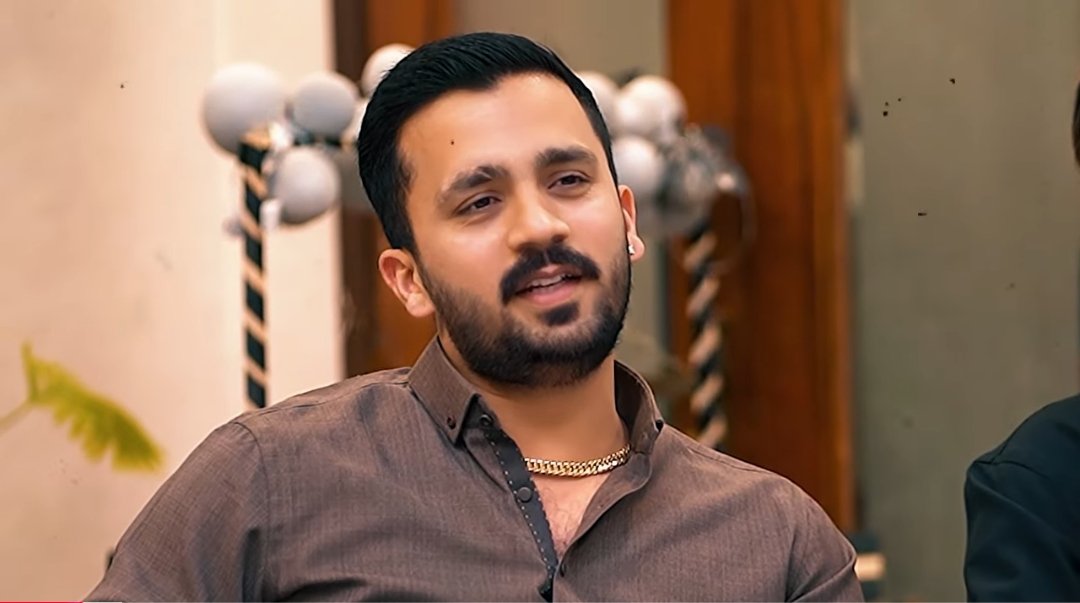

The influencer also expressed frustration over persistent trolling culture, suggesting that public figures are often judged harshly for minor actions that are taken out of context and amplified online.
The discussion highlights the growing trend of influencer culture in South Asia, where social media personalities frequently face comparisons with established film stars, often leading to viral debates and polarized public reactions. Rajab Butt’s comments add another layer to the ongoing conversation about fame, perception, and the pressure of digital visibility in today’s interconnected media landscape.
About The Author