
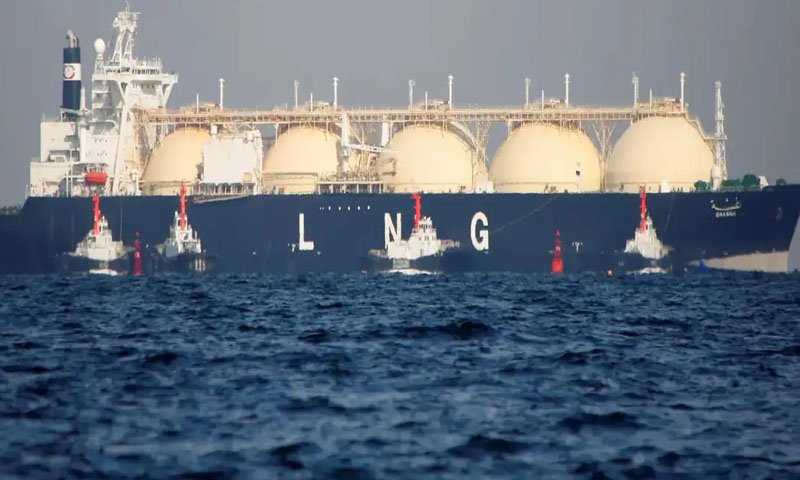

Pakistan has stepped back from costly spot LNG purchases after signs of easing tensions between the United States and Iran raised hopes of uninterrupted energy supplies from Qatar through the Strait of Hormuz.
Pakistan has opted against purchasing two emergency LNG spot cargoes in a move that signals growing confidence in regional stability and the continuation of cheaper long-term gas supplies from Qatar.
According to a report published by Business Recorder on Friday, Pakistan LNG Limited (PLL) withdrew from awarding tenders for two spot LNG cargoes that were scheduled to arrive at Port Qasim in Karachi later this month. The shipments were expected between May 12-14 and May 24-26.
The decision reportedly followed improving assessments of the geopolitical situation in the Middle East, particularly indications that tensions involving the United States and Iran may be easing. International energy markets have closely monitored the situation because any escalation around the Strait of Hormuz could disrupt LNG exports from Qatar, one of Pakistan’s primary energy suppliers.
Officials appear to be betting that regular Qatari LNG shipments will continue without interruption, allowing Pakistan to avoid expensive spot market purchases at a time when global LNG prices remain volatile.
Despite the optimism, the move carries significant risks. Pakistan has already been struggling with recurring gas shortages and periodic power disruptions, especially during peak demand periods. Any sudden deterioration in regional security or interruption in Gulf shipping routes could leave the country exposed to supply gaps.
However, government planners are reportedly prioritizing cost control. Long-term LNG contracts with Qatar are considerably cheaper than emergency spot cargoes, which often come with sharply inflated prices during geopolitical crises or supply shocks.
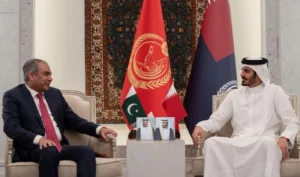
The development comes shortly after diplomatic engagement between Shehbaz Sharif and Mohammed bin Abdulrahman Al Thani, where both leaders discussed regional peace efforts and stability in the Middle East.
Energy analysts believe Pakistan’s latest decision reflects a broader strategy to manage foreign exchange pressures while avoiding panic-driven fuel imports. The coming weeks, however, will be critical in determining whether Islamabad’s gamble on regional calm pays off.
About The Author