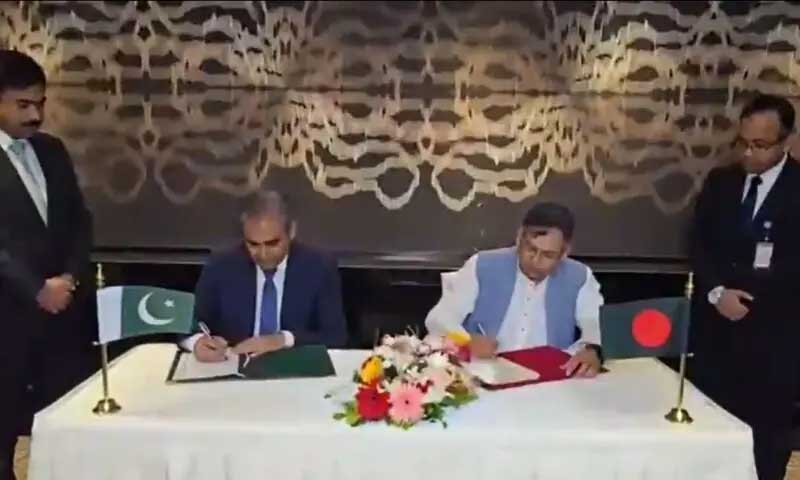

Pakistan and Bangladesh have signed a landmark anti-narcotics agreement in Dhaka, pledging intelligence sharing, joint operations, and stronger regional coordination to curb drug trafficking and protect future generations.
Pakistan and Bangladesh have taken a major step toward strengthening regional security after signing a Memorandum of Understanding (MoU) focused on combating drug trafficking and narcotics abuse, a growing threat across South Asia.
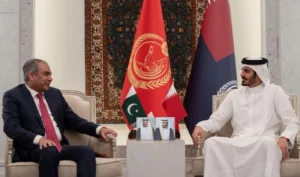
The agreement was signed on Saturday during an official visit to Dhaka by Pakistan’s Interior Minister Mohsin Naqvi, where he held high-level talks with Bangladeshi Home Affairs Adviser Salahuddin Ahmed. The development signals a renewed phase of diplomatic engagement between Islamabad and Dhaka after years of limited bilateral cooperation.
According to Pakistan’s Ministry of Interior, the MoU establishes a framework for intelligence sharing, coordinated anti-narcotics operations, and preventive strategies aimed at reducing drug abuse among young people in both countries. Officials described the initiative as a “unified front” against organized narcotics networks operating across regional smuggling corridors.
Speaking during the meeting, Mohsin Naqvi stressed that the narcotics trade is a transnational challenge that cannot be tackled by any single country alone. He said effective action requires sophisticated coordination, rapid information exchange, and sustained cooperation between law enforcement agencies.
Under the agreement, anti-narcotics authorities from Pakistan and Bangladesh will conduct regular consultations and share real-time intelligence regarding trafficking routes, cartel activity, and financial networks linked to the illegal drug trade. Security officials believe dismantling these financial systems is essential for long-term regional stability and internal security.
Bangladeshi officials welcomed the Pakistani delegation and termed the agreement an important foundation for wider collaboration on counter-crime and internal security matters. Salahuddin Ahmed noted that both nations share common concerns regarding cross-border criminal activity and youth protection.
Analysts say the MoU could become an important model for broader multilateral cooperation in South Asia, particularly as governments in the region face increasing challenges related to synthetic drugs, organized trafficking syndicates, and cross-border smuggling networks.
The latest agreement also reflects improving diplomatic momentum between Pakistan and Bangladesh, with both sides expressing interest in expanding cooperation beyond narcotics control into other areas of mutual concern. Observers believe sustained implementation of the pact will determine whether the initiative evolves into a long-term regional security partnership.
About The Author