
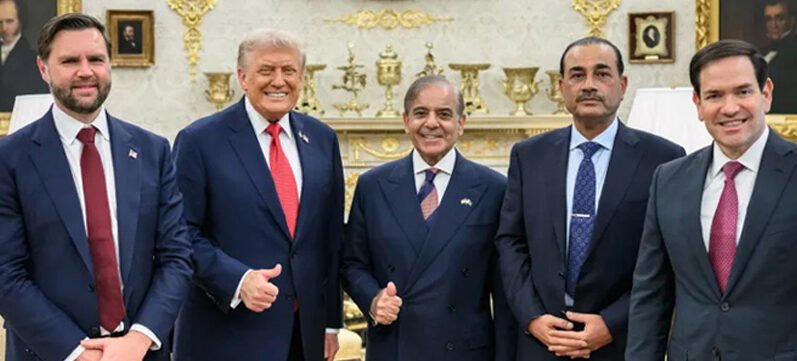

WASHINGTON: US President Donald Trump has claimed that a planned “decisive military strike” on Iran was halted following appeals from influential figures in Pakistan, marking a striking revelation amid already tense geopolitical dynamics between Washington and Tehran.
Speaking in a televised interview, Trump said individuals he described as “very good people” from Pakistan, who he suggested maintain close ties with Tehran, urged the United States to step back from immediate military action and allow diplomatic efforts to continue.
According to Trump, the message conveyed to Washington was direct: “Can you stop? We will make a deal happen.” He said the appeal played a role in delaying escalation and reopening space for negotiations.
The US president also criticised Iran’s negotiating behaviour, alleging inconsistency in its diplomatic commitments. “Every time they make a deal, the next day it seems like we never had talks,” he said, adding, “There is something wrong with them. Actually, they are crazy.”
While speaking to reporters aboard Air Force One, Trump reiterated that he had initially leaned against any pause but later agreed following input from other countries, calling it “a favour to Pakistan.”
He also praised Pakistan’s top leadership, including Prime Minister Shehbaz Sharif and Field Marshal Asim Munir, describing them as “wonderful personalities” in the context of ongoing diplomatic engagement.
Trump further stated that his visit to China had been “successful and historic,” adding that the United States had secured major trade agreements and maintained strong ties with Beijing. He said he also discussed nuclear arms reduction and Taiwan-related tensions with Chinese President Xi Jinping.
On Taiwan, Trump said there was no immediate expectation of conflict and confirmed that Washington had not approved new arms transfers to the island “for now,” signalling a cautious approach within current US policy.
He also reiterated openness to long-term limits on Iran’s nuclear programme, suggesting a 20-year suspension could be acceptable if Tehran demonstrated consistent compliance.
The remarks come at a time of heightened global attention on US-Iran relations, regional security calculations, and shifting diplomatic alignments involving Pakistan and China, raising questions about behind-the-scenes mediation efforts and their influence on strategic decision-making.
About The Author