
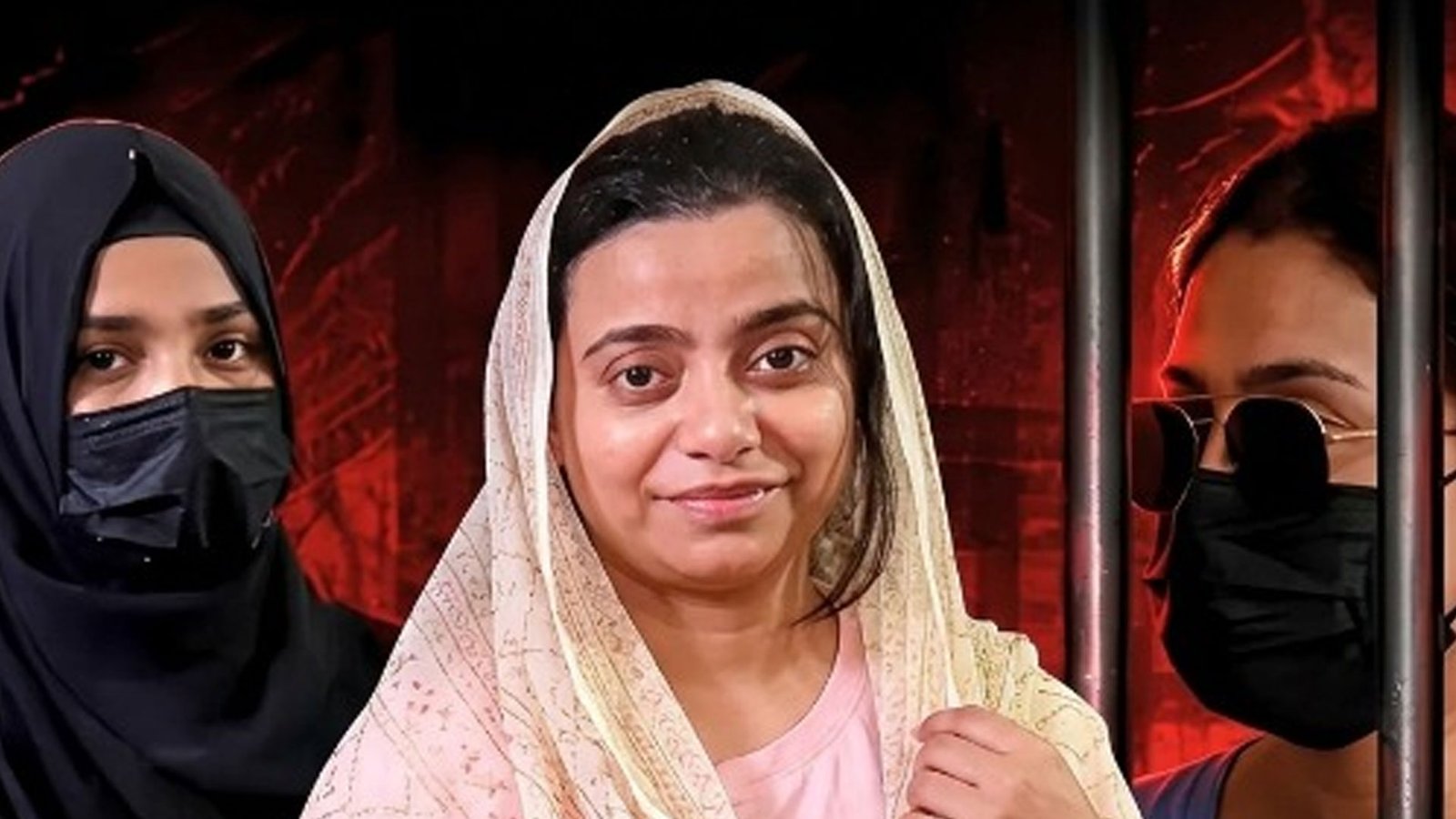

A high-profile narcotics scandal in Karachi has intensified after the arrest of alleged online cocaine supplier Anmol alias Pinky, with fresh revelations sparking panic across political and security circles in Pakistan.
The controversy escalated further when Pakistan’s Defense Minister, Khawaja Muhammad Asif, compared the case to the infamous “Epstein Files” in a post shared on X. His remarks suggested that several wealthy and influential individuals could allegedly be linked to the suspected drug network, raising fears of a much larger scandal.
According to media reports, investigators believe the accused operated a sophisticated online cocaine supply system in Karachi that catered primarily to elite clients. Authorities suspect that powerful individuals may now be attempting to erase evidence and protect those connected to the network.
Questions have also emerged regarding irregularities at Karachi’s Garden Police Station, where Anmol was reportedly kept after her arrest. Investigators claim there is no transparent station diary entry confirming when she was brought in or taken out of custody. Even more suspiciously, CCTV footage from the station allegedly disappeared. Police officials reportedly claimed that electricity was unavailable at the time the recordings were needed.
Officials suspect the missing footage may have been deliberately removed to conceal the identities of influential visitors or clients connected to the accused.
Despite the arrest, the alleged cocaine distribution operation is reportedly still active. Sources claim the network has switched phone numbers and digital payment channels to avoid law enforcement monitoring. Customers were allegedly informed through secret messages that the previous contact system had been shut down and that “trusted associates” were now handling deliveries.
Investigators also obtained important identification and travel details linked to the accused. Reports indicate that Anmol obtained her passport in Karachi in April 2018, while her national identity card was issued in 2016 with a Gulshan-e-Iqbal address. Authorities are now examining whether she attempted to create a fake identity to evade law enforcement scrutiny.
Federal investigators are reportedly gathering her international travel history to determine whether overseas trips were linked to narcotics trafficking or coordination with foreign contacts. Records belonging to close family members are also said to be under review.
The case has reignited debate over the alleged connection between Pakistan’s elite class and high-end narcotics networks. Investigators believe the high prices reportedly charged for cocaine suggest that the clientele may include wealthy businessmen, politicians, bureaucrats, and entertainment figures rather than ordinary citizens.
Analysts warn that if political pressure interferes with the investigation, the case could become one of the country’s most controversial anti-crime failures in recent years.
About The Author