
Government also wins relief on stationery taxes as discussions continue on real estate incentives, salaried class relief, and exporter support measures.
ISLAMABAD: In a significant development ahead of the federal budget for fiscal year 2026-27, Pakistan has secured the International Monetary Fund’s (IMF) approval to withdraw a proposed increase in sales tax on solar panels and stationery products, providing relief to consumers and businesses amid ongoing economic challenges.
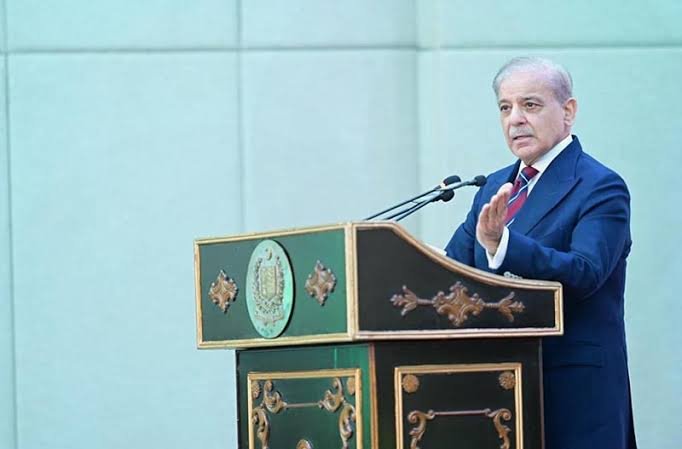
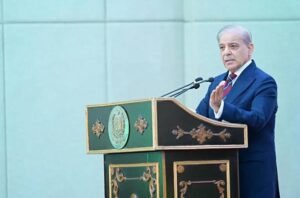
According to government sources, the breakthrough came after Prime Minister Shehbaz Sharif intervened during budget consultations, urging authorities to avoid additional financial burdens on the public while maintaining compliance with Pakistan’s IMF-backed economic reform programme.
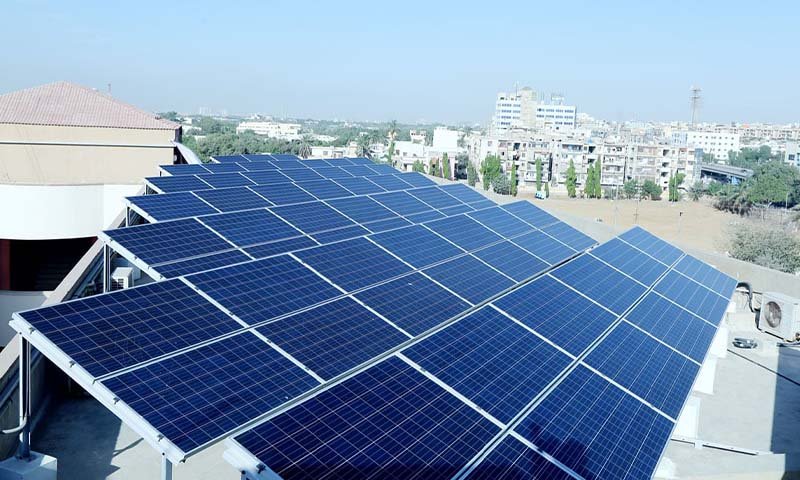
The IMF has reportedly agreed to drop a proposal that would have increased the sales tax on solar panels from 10 percent to 18 percent. The decision is expected to support the country’s growing renewable energy sector, where demand for solar installations has surged in response to rising electricity costs and persistent energy shortages.
Sources further revealed that a similar proposed tax increase on stationery items has also been removed from the upcoming budget framework, easing concerns among retailers, students, and educational institutions already grappling with inflationary pressures.
In another key development, the tax structure governing Pakistan’s stock market is expected to remain unchanged from July 1, 2026, offering stability to investors and financial markets ahead of the new fiscal year.
Despite progress on solar panels and stationery products, negotiations between Pakistani officials and the IMF continue over proposed tax concessions for the real estate sector. Discussions are focused on balancing revenue targets with efforts to stimulate investment and economic activity.
The government is also considering relief measures for salaried individuals. Sources indicate that authorities are reviewing proposals to raise the threshold for the highest income tax slab, potentially reducing the tax burden on middle- and upper-income earners. An additional surcharge currently imposed on high-income taxpayers is also under consideration for removal.
Exporters may receive substantial support under the new budget. Officials are examining the possibility of abolishing a 1 percent export tax as part of a broader package aimed at improving competitiveness and boosting foreign exchange earnings.
The proposed relief follows concerns raised by exporters after the Finance Act 2024 shifted the sector from the Final Tax Regime (FTR) to the Normal Tax Regime (NTR). Under the revised framework, exporters became subject to a minimum 2 percent tax on export income, replacing the earlier flat 1 percent turnover tax.
Business and export associations have repeatedly urged the government to restore the optional Final Tax Regime, ensure timely sales tax refunds, and provide safeguards against unnecessary audits and enforcement actions by the Federal Board of Revenue (FBR).
About The Author