

Economic Survey 2025-26 highlights alarming temperature trends, increasing climate risks and growing concerns over future extreme weather events across Pakistan.
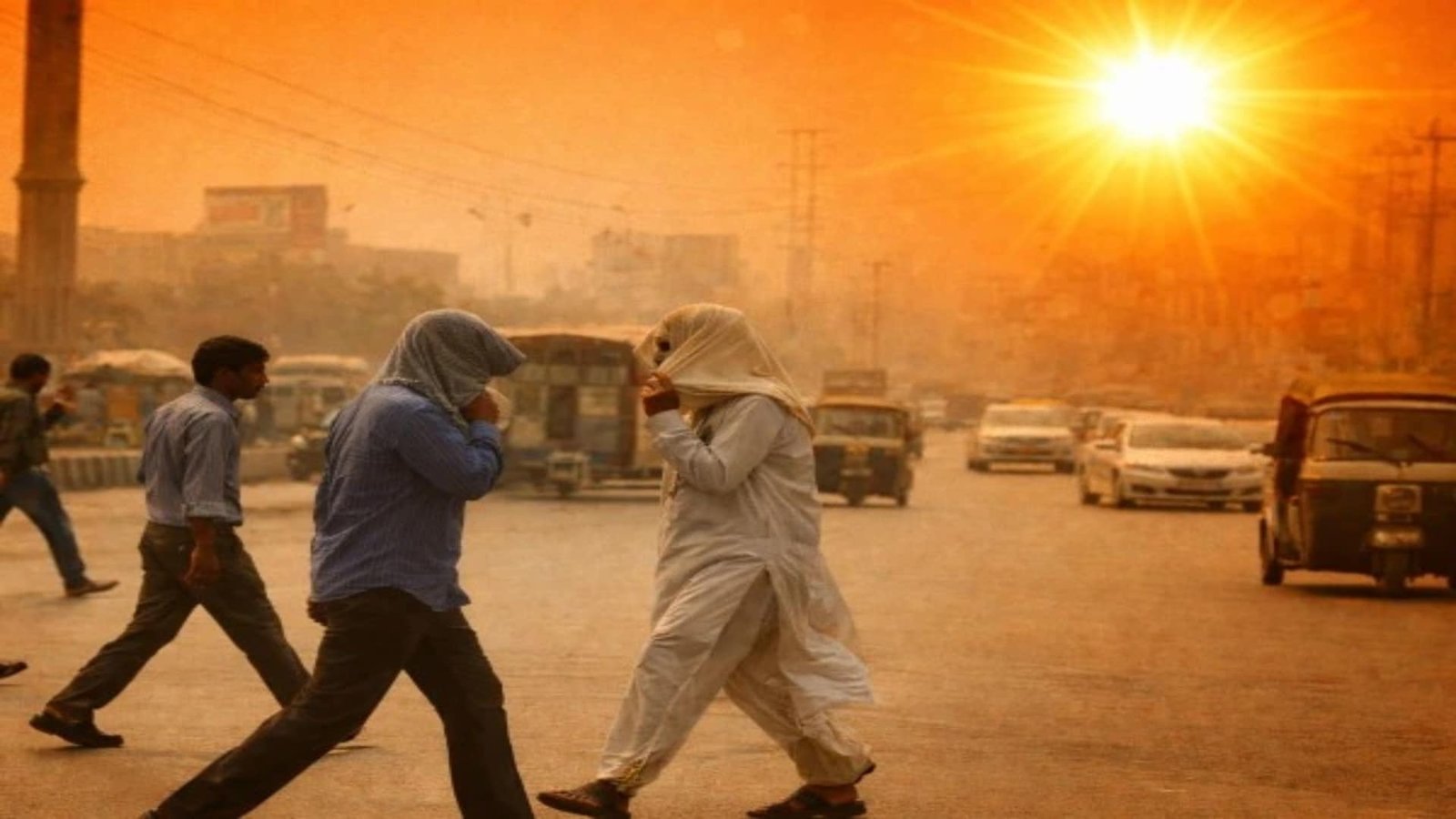
Pakistan’s rising temperatures are no longer being viewed as a seasonal challenge but as a growing national crisis affecting public health, agriculture, water resources and economic stability. The Economic Survey 2025-26 has revealed that the country experienced its second-hottest year in the last 65 years, underscoring the increasingly visible impact of climate change.
According to the survey, 2024 remained the hottest year ever recorded in Pakistan, while 2025 ranked as the second warmest. The country’s average annual temperature reached 23.9 degrees Celsius during 2025, which was 1.09 degrees above the long-term average. The findings indicate a continuing warming trend, with Pakistan experiencing record-breaking temperatures for the second consecutive year.
The report highlights a troubling reality: despite contributing less than one percent of global greenhouse gas emissions, Pakistan remains among the countries most vulnerable to the consequences of climate change. Rising temperatures, shifting rainfall patterns and increasing weather extremes are placing significant pressure on communities and infrastructure nationwide.
Northern regions witnessed some of the most dramatic temperature increases. Gilgit-Baltistan recorded a rise of 1.24 degrees Celsius, Khyber Pakhtunkhwa experienced an increase of 1.29 degrees, while Azad Jammu and Kashmir saw temperatures climb by 1.56 degrees above historical averages, setting new records over the past six decades.
Climate experts warn that rapidly increasing temperatures in northern areas are accelerating glacier melt, raising concerns about glacial lake outburst floods and sudden flash floods in the coming years. Pakistan is home to one of the largest concentrations of glaciers outside the polar regions, making the country particularly sensitive to temperature fluctuations.
Although overall rainfall during 2025 remained around three percent below normal, precipitation patterns became increasingly uneven. Sindh, Punjab and Gilgit-Baltistan received above-average rainfall, while Khyber Pakhtunkhwa and Balochistan experienced below-normal precipitation levels.
The monsoon season from July to September brought rainfall that was 23 percent above average. Meteorologists say rainfall events are becoming less frequent but significantly more intense when they occur. This trend increases the likelihood of urban flooding, flash floods and infrastructure damage, particularly in densely populated areas.
The Economic Survey also warns that climate change is altering the nature of flood risks across the country. Experts believe the monsoon system is gradually shifting southward, exposing new regions to flood threats that were previously considered less vulnerable.
Flood events recorded during 2025 affected all provinces, reviving memories of the devastating 2022 floods that caused widespread destruction and displaced millions of people. Specialists caution that without stronger climate adaptation measures, future flood disasters could become even more severe.
The impact of extreme heat extends far beyond rising temperatures. Higher energy demand, shrinking water reserves and reduced agricultural productivity are emerging as major challenges. Farmers face increasing difficulties in maintaining crop yields, while prolonged heatwaves pose serious health risks for children, older adults and people with existing medical conditions.
Concerns have intensified further following reports from international meteorological agencies regarding the possible return of El Niño. The climate phenomenon, linked to unusually warm ocean temperatures in the equatorial Pacific, can significantly influence global weather patterns.
Scientists estimate a 63 percent probability that El Niño could strengthen into a major event between November and January. If that occurs, Pakistan may face even more extreme temperatures, irregular rainfall patterns and heightened weather instability in the months ahead.
About The Author